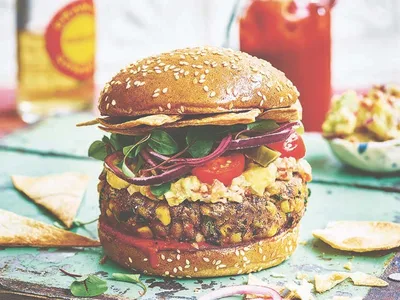
How to Bake
Baking uses dry heat in an enclosed oven to cook food through hot air circulation. The technique cooks food evenly from all sides at temperatures between 250F and 500F.
Why it matters
Baking creates textures you can't achieve any other way. Bread develops a crispy crust while staying soft inside. Cakes rise and set into tender crumbs. Vegetables caramelize without burning. The steady, surrounding heat cooks large items uniformly without constant attention.
What you need
Steps
Position your oven rack in the center slot unless the recipe specifies otherwise. Turn the oven to your target temperature, usually between 325F and 425F. Wait 15-20 minutes for full preheating. The oven thermometer should match your setting within 5 degrees.
Prepare your baking vessel while the oven heats. Grease metal pans with 1 tablespoon butter or oil, coating all surfaces including corners. Line with parchment paper if baking cookies or roasting vegetables. The paper should overhang by 1 inch on two sides.
Arrange food in a single layer with at least 1 inch between pieces for air circulation. Overcrowding drops the temperature and creates steam. Your vegetables should sizzle within 3 minutes of entering the oven. Batter should start forming tiny bubbles at the edges after 5 minutes.
Set your timer for 5 minutes less than the recipe suggests. Check doneness with visual and physical cues. Bread sounds hollow when tapped on the bottom. Cake springs back when you press the center lightly. Fish flakes easily with a fork at 145F internal temperature.
Test the center of thick items with an instant-read thermometer. Chicken breasts need 165F. Beef roasts reach medium at 135F. Baked potatoes hit 210F when fully cooked. Insert the probe horizontally into the thickest part without touching bone or pan.
Remove items when they reach target temperature or pass your doneness test. Carryover cooking continues for 5-10 minutes outside the oven. Internal temperatures rise another 5-10 degrees. Let meat rest 10 minutes before cutting. Cool baked goods on a wire rack to prevent soggy bottoms.
Common Mistakes
Opening the oven door repeatedly to check progress
What happens: Temperature drops 25-50F each time, causing uneven cooking and collapsed cakes
Fix: Use the oven light and window to monitor. Only open after 75% of cooking time has passed
Using dark nonstick pans without adjusting temperature
What happens: Food browns too quickly on the outside while staying raw inside
Fix: Reduce temperature by 25F when using dark pans. They absorb more heat than shiny aluminum
Placing food directly on the oven rack without support
What happens: Items fall through, create smoke, or cook unevenly from direct heat exposure
Fix: Always use a proper baking sheet, dish, or pan sized for your food quantity
Ignoring hot spots in your oven
What happens: One side burns while the other stays pale
Fix: Rotate pans 180 degrees halfway through cooking. Test your oven with sliced bread to map hot spots
Troubleshooting
Food browns too fast on top but stays raw underneath
Then: Move rack down one position and cover loosely with aluminum foil after achieving desired color
Edges cook faster than the center in casseroles
Then: Reduce temperature by 25F and extend cooking time by 10-15 minutes. Cover edges with foil strips
Bottom burns while top stays pale
Then: Move rack up one slot. Place a second sheet pan on the rack below to deflect direct bottom heat
Related Techniques
FAQ
What's the difference between baking at 350F versus 375F?
The 25-degree difference changes cooking speed by about 15-20%. At 350F, a 9x13 casserole takes 45 minutes. At 375F, the same dish finishes in 35-38 minutes. Higher heat creates more browning but risks drying out delicate items. Most cakes perform best at 350F for even rising. Cookies spread less at 375F.
Should I use the middle rack for everything?
The center rack works for 80% of baking tasks because heat circulates most evenly there. Move to the upper third for items needing more top browning in the final 10 minutes. Use the lower third for pizza and crusty bread that benefit from intense bottom heat. Keep 6 inches between your food and heating elements.
How do I know when my oven is really preheated?
Most ovens beep after 10 minutes but need 15-20 minutes to stabilize fully. An oven thermometer shows the real temperature. Place it in the center and wait until it matches your setting for 5 straight minutes. Baking stones need 45 minutes to heat through completely. Gas ovens cycle more than electric, varying by 25F during cooking.
Can I bake multiple items at different temperatures?
Split the difference between temperatures when baking two items within 50F of each other. Cookies at 350F and bread at 375F work together at 360F. Adjust timing for each item accordingly. Items needing temperatures more than 75F apart cook poorly together. The lower temperature item takes forever while the higher one burns.
Recipes Using This Technique
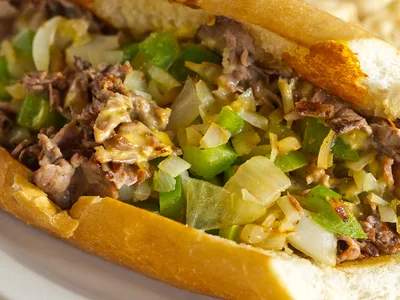
Ground Beef Philly Cheesesteak on Hoagie Rolls
Banana Nutella Marble Bundt Cake
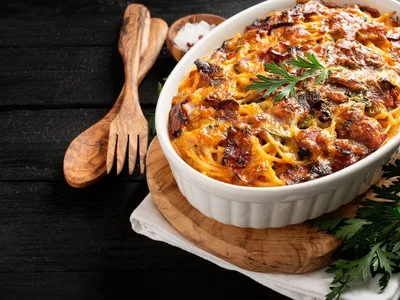
Baked Spaghetti Casserole with Meat Sauce
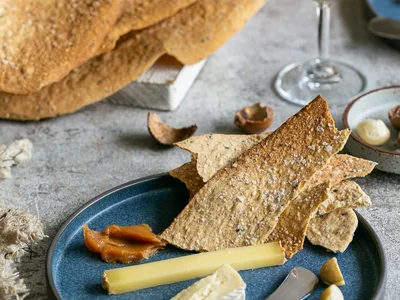
Spiced Lavosh Crackers with Toasted Seeds
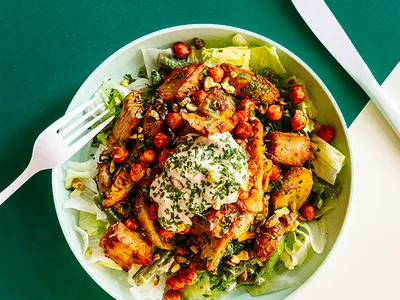
Vegan Caesar Salad with Crispy Potatoes