How to Reheat Rice Safely
Reheating rice safely brings leftover grains back to 165F while adding moisture to restore their original texture. This technique prevents foodborne illness from Bacillus cereus bacteria that multiply in cooked rice stored between 40F and 140F.
Why it matters
Rice develops harmful bacteria faster than most leftovers because its starch and moisture create ideal growing conditions. Proper reheating kills bacteria while avoiding the dry, crunchy texture that ruins most reheated rice. The right method saves money on takeout and prevents the 30,000 annual cases of rice-related food poisoning in the US.
What you need
Steps
Check your rice for sour smells or slimy texture. Toss it if stored more than 4 days in the fridge or left at room temperature over 2 hours. Good rice smells neutral and grains separate easily when you drag a fork through them.
Add 2 tablespoons water per cup of rice to your microwave-safe bowl. Break up clumps with a fork until no chunks larger than a marble remain. The water creates steam that penetrates cold spots where bacteria hide.
Cover the bowl with a damp paper towel, leaving one corner loose for venting. Microwave on 70% power for 90 seconds per cup of rice. Steam should fog the sides of the bowl halfway through heating.
Remove and stir thoroughly, scraping the bottom where cold spots lurk. Rice should feel warm but not hot. Return to microwave for another 60-90 seconds until steam rises visibly when you lift the towel.
Test temperature in three spots with your thermometer, aiming for 165F minimum. Hot spots can reach 180F while corners stay at 120F. Stir and microwave 30 more seconds if any spot reads below 165F.
Let stand covered for 2 minutes to equalize temperature. Fluff with a fork, listening for the gentle rustle of separated grains. Properly reheated rice feels tender and slightly sticky, never crunchy or mushy.
Common Mistakes
Reheating rice without adding water
What happens: Creates hard, dried-out grains with cold pockets under 140F where bacteria survive
Fix: Always add 2 tablespoons water per cup of rice before reheating
Using high microwave power
What happens: Outside gets crusty while center stays cold, creating dangerous temperature zones
Fix: Use 70% power and stir halfway through for even heating
Storing rice in large containers
What happens: Center takes 6+ hours to cool below 40F, giving bacteria time to multiply
Fix: Divide into shallow containers no more than 2 inches deep
Reheating rice multiple times
What happens: Each cooling cycle lets bacteria grow exponentially
Fix: Only reheat the portion you'll eat immediately
Troubleshooting
Rice smells sour after reheating
Then: Discard immediately as Bacillus cereus produces heat-stable toxins that survive cooking
Rice turns mushy during reheating
Then: Reduce water to 1 tablespoon per cup and use 50% microwave power for jasmine or basmati varieties
Related Techniques
FAQ
Can I reheat rice that sat out overnight?
No. Rice left between 40F and 140F for more than 2 hours develops heat-resistant toxins. Bacillus cereus doubles every 20 minutes at room temperature. After 8 hours, one bacterium becomes 16 million. These toxins cause violent vomiting within 1-5 hours of eating and no amount of reheating destroys them.
Why does restaurant fried rice taste better than my reheated rice?
Restaurants use day-old rice stored properly at 38F or below. They reheat it in woks reaching 500F with constant movement for 3-4 minutes. This flash-heating creates slightly crispy edges while the interior reaches 165F. Home stovetops max out at 350F, requiring 8-10 minutes of stirring to hit safe temperatures.
How long can I store cooked rice?
Refrigerate within 1 hour of cooking and eat within 4 days. Rice stored at 40F grows bacteria 50% slower than at 45F. Your fridge should stay at 38F or below. Freeze rice up to 6 months in portions no thicker than 1 inch for quick thawing. Label with the date since frozen rice looks identical after 6 days or 6 months.
Recipes Using This Technique
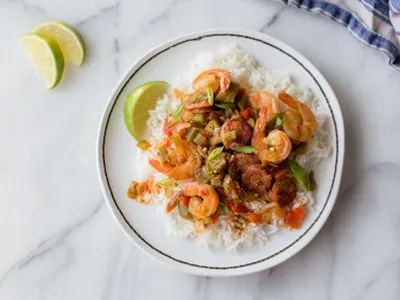
Andouille Sausage and Shrimp Gumbo with Okra
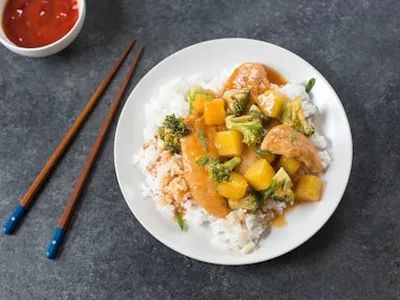
Baked Sweet and Sour Tofu with Broccoli and Pineapple
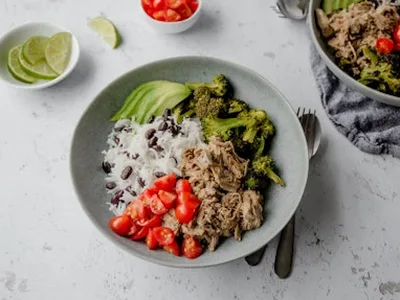
Cuban Rice and Black Bean Bowl with Roasted Plantains
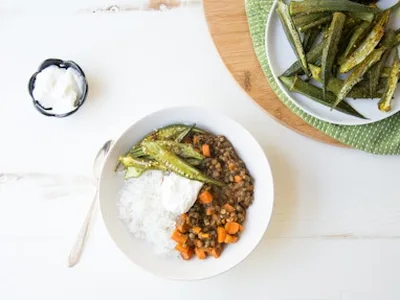
Curried Lentils with Roasted Spiced Okra and Basmati Rice

Slow-Cooker Japanese Beef Curry with Rice