How to Cook Rice
Rice cooking means heating rice grains in measured liquid until they absorb all the water and turn tender. The starch inside each grain swells and softens while the outside stays intact.
Why it matters
Properly cooked rice has distinct, separate grains that hold their shape. Badly cooked rice turns mushy, crunchy, or gummy. The absorption method creates fluffy rice without draining away nutrients. You control the texture by adjusting water ratios and cooking times.
What you need
Steps
Rinse 1 cup long-grain white rice in cold water until the water runs clear instead of cloudy, about 3 to 4 rinses. The rice feels less slippery between your fingers when clean.
Combine rinsed rice with 1.5 cups water and 0.5 teaspoon salt in your saucepan. The standard ratio is 1:1.5 for long-grain white rice, but short-grain needs 1:1.25 and brown rice needs 1:2.5.
Heat on high until you see vigorous bubbling across the entire surface, about 4 to 5 minutes. Steam escapes rapidly. The bubbles make a constant popping sound.
Reduce heat to lowest setting immediately. Cover with the lid. You should hear only occasional gentle bubbling, like one bubble every 2 to 3 seconds, not rapid boiling.
Cook for exactly 18 minutes without lifting the lid. Set a timer. The temptation to peek is strong but steam escape ruins the texture.
Remove from heat and let stand 5 minutes with the lid still on. The rice continues absorbing the last drops of moisture. You'll see no liquid when you finally open it.
Fluff with a fork using quick, light motions to separate grains. The rice should smell nutty and sweet. Each grain stays whole and bounces back when pressed gently. Internal temperature reaches 212F throughout.
Common Mistakes
Using too much water
What happens: Rice turns mushy and grains break apart into paste
Fix: Measure water precisely using the correct ratio for your rice type
Lifting the lid during cooking
What happens: Steam escapes and rice cooks unevenly with crunchy spots
Fix: Trust the process and keep lid sealed for full 18 minutes
Stirring rice while cooking
What happens: Releases starch and creates gummy, sticky clumps
Fix: Never stir once cooking starts, only fluff after resting
Using high heat throughout
What happens: Bottom layer burns while top stays raw
Fix: Drop to lowest heat immediately after reaching a boil
Troubleshooting
Rice still crunchy after 18 minutes
Then: Add 2 tablespoons hot water, cover, and cook 3 more minutes on low
Rice sticks to pan bottom
Then: Use heavier pan next time and ensure heat stays at absolute minimum after boiling
Related Techniques
FAQ
Why rinse rice before cooking?
Rinsing removes surface starch that makes rice sticky. Unwashed rice releases up to 25% more starch during cooking. You'll see the rinse water change from milky white to clear after 3 to 4 rinses. Skip rinsing only for risotto or rice pudding where you want that released starch for creaminess.
Can I double or triple the recipe?
Yes, but timing changes. For 2 cups rice use 3 cups water and cook 20 minutes. For 3 cups rice use 4.5 cups water and cook 22 minutes. The pot needs at least 2 inches headspace above the rice to prevent boiling over. A 4-quart pot handles up to 3 cups dry rice comfortably.
How do I know my heat is low enough?
After reducing heat, count the bubbles breaking the surface. You want 1 bubble every 2 to 3 seconds, not continuous bubbling. On electric stoves, this usually means setting 2 out of 10. On gas, the flame should barely kiss the pot bottom. If you smell toasted or burning rice, your heat is too high.
What's the shelf life of cooked rice?
Refrigerate within 1 hour of cooking and use within 4 days. Cool rice spreads on a sheet pan for 20 minutes before storing. Refrigerated rice hardens but steams back to tender in 2 minutes with 1 tablespoon water per cup. Freeze portions up to 3 months in airtight containers.
Recipes Using This Technique
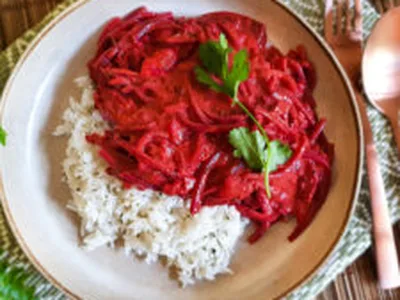
Vegan Red Beet Curry with Coconut Milk
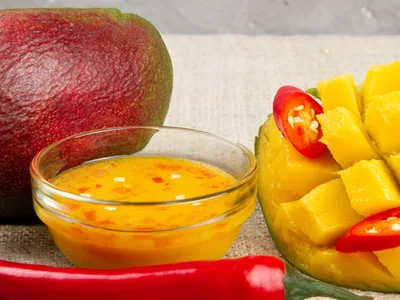
Spicy Mango Coconut Rice with Fresh Herbs
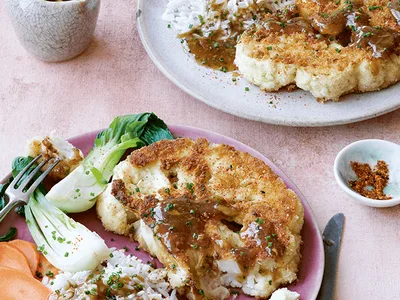
Paneed Cauliflower Steaks with Lemon Ginger Sauce

Tex-Mex Chicken and Rice Soup with Fire Roasted Tomatoes

Three-Bean Chili with Garlic Rice and Fresh Pepper Salsa