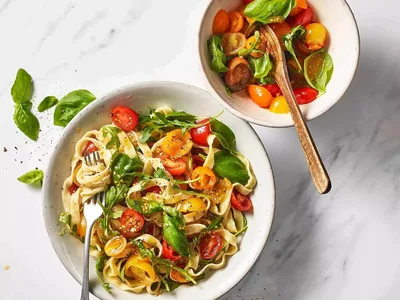
How to Cook Pasta al Dente
Cooking pasta al dente means boiling it until firm to the bite, not soft all the way through. The pasta should have slight resistance when you chew it, with a tiny white dot visible in the center when you cut it.
Why it matters
Al dente pasta holds sauce better than mushy pasta. The firm texture creates contrast in your mouth. It also has a lower glycemic index than overcooked pasta, meaning your blood sugar rises more slowly. Plus, al dente pasta keeps cooking after you drain it, so starting firm prevents mushiness on the plate.
What you need
Steps
Fill your 6-8 quart pot with 4 quarts of cold water per pound of pasta. Set it on high heat. The water should reach a rolling boil in 8-10 minutes. You'll see big bubbles breaking violently at the surface, not just small bubbles on the pot bottom.
Add 1 tablespoon kosher salt per quart of water once boiling. The water should taste like mild seawater. Stir with your wooden spoon for 3 seconds to dissolve.
Add pasta all at once. Long pasta goes in vertically, then push down as it softens. The water will stop boiling for 30-60 seconds. Keep heat on high.
Stir every 2 minutes for the first 6 minutes to prevent sticking. Use long sweeping motions from bottom to top. The pasta will start floating and moving freely when it's no longer sticking.
Start testing 2 minutes before the package time. Fish out one piece with your spoon. Let it cool 5 seconds. Bite through it. Look for a thin white line in the center, about the width of a pin.
Drain immediately when you see that white dot. Pour everything into your colander. Don't rinse. The starch coating helps sauce stick. Save 1 cup pasta water before draining if your recipe needs it.
Toss drained pasta with sauce within 30 seconds. The residual heat continues cooking it. That white dot disappears as the pasta finishes cooking in the sauce.
Common Mistakes
Using too little water
What happens: Pasta turns gummy and sticks together
Fix: Use at least 4 quarts water per pound of pasta
Adding oil to the water
What happens: Oil coats pasta and prevents sauce from sticking
Fix: Skip the oil, stir instead during first 6 minutes
Rinsing after draining
What happens: Removes starch that helps sauce adhere
Fix: Only rinse for cold pasta salads
Trusting package times blindly
What happens: Overcooking by 1-2 minutes
Fix: Start testing 2 minutes early, packages often overestimate
Troubleshooting
Pasta sticks together after draining
Then: Add it to hot sauce immediately, or toss with 1 tablespoon olive oil if holding
Can't see the white dot when testing
Then: Cut pasta in half crosswise with a knife for clearer view
Water won't return to boil after adding pasta
Then: Cover pot for 1 minute, then remove lid and increase heat
Related Techniques
FAQ
How much salt should I really use?
Use 1 tablespoon kosher salt per quart of water. For a standard 6-quart pot filled with 4 quarts water, that's 4 tablespoons total. Yes, it seems like a lot. But pasta only absorbs about 3% of the salt in the water. Most goes down the drain. This ratio gives you properly seasoned pasta that tastes good even plain.
Why does my pasta taste better at restaurants?
Restaurants use 3 key tricks. First, they salt water properly at 1% concentration. Second, they finish cooking pasta in the sauce for 60-90 seconds. Third, they add 1/4 cup starchy pasta water to every pound of sauced pasta. This creates the silky texture you love. Most home cooks undersalt and oversauce.
Can I cook pasta in less water to save time?
Yes, but with limits. You can use 2 quarts water per pound in a wide skillet, which boils in 4-5 minutes versus 10. But you must stir every 30 seconds for the entire cooking time. The concentrated starch makes pasta sticky without constant agitation. Works best for short shapes under 12 ounces.
How do I cook fresh pasta al dente?
Fresh pasta cooks in 60-90 seconds versus 8-12 minutes for dried. Start checking at 45 seconds. Fresh pasta won't show a white dot like dried pasta. Instead, taste for a slight firmness in the center. It should feel tender but not dissolve on your tongue. Fresh pasta continues cooking more than dried, so err on the firm side.
Recipes Using This Technique
4-Ingredient Ground Beef Pasta Casserole

Creamy Italian Sausage Penne Casserole with Three Cheeses
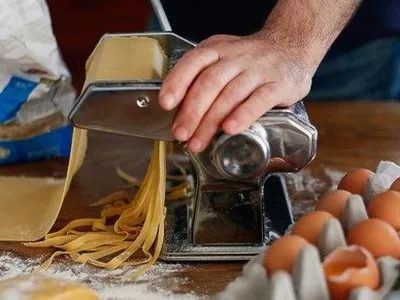
Homemade Fresh Pasta Dough Recipe
Skinny Garlic Shrimp Pasta with Cherry Tomatoes and Spinach

Baked Spaghetti Casserole with Meat Sauce