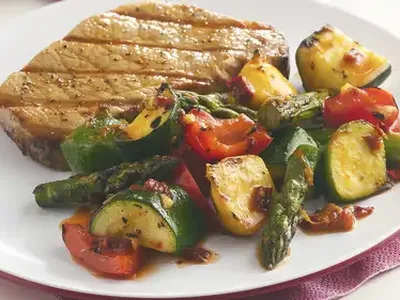
How to Grill
Grilling cooks food over direct heat from gas flames or hot charcoal, typically between 400F and 550F. The high heat creates a seared crust while keeping the inside tender.
Why it matters
Grilling gives you char marks and smoky flavor you can't get from a stovetop. The intense heat caramelizes sugars in 2-3 minutes. Fat drips away through the grates. You cook outside, so no smoke alarms.
What you need
Steps
Heat your grill to 450F-500F for 10-15 minutes with the lid closed. Hold your hand 6 inches above the grates. You should only manage 2-3 seconds before pulling away. Clean grates with a wire brush until black residue stops falling.
Pat food completely dry with paper towels. Moisture creates steam instead of sear. Brush with 1-2 tablespoons oil per pound of food. Season with salt 20 minutes before grilling.
Oil the grates using tongs and a paper towel soaked in 2 tablespoons vegetable oil. The oil should smoke slightly but not burst into flames. This takes 30 seconds.
Place food on grates and listen for an immediate sizzle. No sizzle means the grill isn't hot enough. Don't move anything for 3-4 minutes. The food releases naturally when the crust forms.
Flip when edges turn opaque (fish), juices pool on top (burgers), or grill marks are dark brown (vegetables). Use tongs, never a fork. Piercing releases juices.
Check internal temperature 2 inches from the edge. Chicken needs 165F, beef medium is 135F, pork reaches 145F. Remove food 5 degrees early. It continues cooking.
Rest meat on a plate tented with foil for 5-10 minutes. The internal temperature rises 5-10 degrees. Juices redistribute instead of spilling onto your plate.
Common Mistakes
Moving food too soon
What happens: Tears the surface and leaves half your dinner stuck to the grates
Fix: Wait 3-4 minutes minimum before first flip, food releases when ready
Grilling cold food straight from fridge
What happens: Outside burns while center stays raw
Fix: Let food sit at room temperature 20-30 minutes before grilling
Using barbecue sauce from the start
What happens: Sugar burns at 265F, creating bitter black coating
Fix: Apply sauce only in final 5 minutes of cooking
Cooking everything on high heat
What happens: Charred outside, raw inside on thick cuts
Fix: Use two-zone cooking: sear over high heat, finish over medium 300F-350F
Troubleshooting
Flare-ups from dripping fat
Then: Move food to cooler side of grill immediately. Close lid to starve flames of oxygen. Trim visible fat to 1/4 inch before grilling.
Food sticks to grates
Then: Preheat grill 5 minutes longer. Re-oil grates between batches. Check that grates reach 450F with an infrared thermometer.
Uneven cooking across the grill
Then: Map your hot spots by placing white bread slices across grates for 1 minute. Darker areas run hotter. Rotate food accordingly.
Related Techniques
FAQ
Gas or charcoal grill?
Gas heats in 10 minutes and holds steady temperatures. Turn a knob for 450F. Charcoal takes 20-30 minutes but reaches 700F and adds smoke flavor. Lump charcoal burns hotter than briquettes. Gas costs $20-30 per summer in propane. Charcoal runs $50-80. Both work fine. Pick based on your patience level.
How do I get perfect grill marks?
Place food at 45-degree angle to grates. Don't move for 3-4 minutes. Rotate 90 degrees without flipping. Wait another 3 minutes. You get crosshatch marks. The grates must hit 500F first. Clean grates leave better marks than dirty ones. Sugary marinades help marks develop in 2 minutes instead of 4.
What internal temperatures are safe?
Ground meat needs 160F throughout. Whole muscle beef is safe at 125F (rare) to 160F (well). Pork reaches safety at 145F with 3-minute rest. All poultry requires 165F. Fish flakes at 145F but many prefer 125F-130F for salmon. Use instant-read thermometer in thickest part, avoiding bone. Check multiple spots on thick cuts. Remove 5 degrees early since temperature climbs during rest.
How much food fits on my grill?
Leave 2 inches between pieces for proper heat circulation. A standard 22-inch kettle grill holds 12 burgers or 6 chicken breasts or 20 vegetable skewers. Count on 75 square inches per person for a full meal. Overcrowding drops temperature 50-100 degrees and creates steam. Cook in batches instead.
Recipes Using This Technique
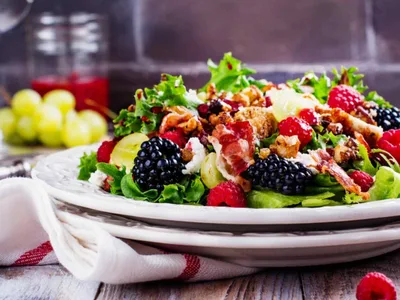
Grilled Chicken Summer Berry Salad with Raspberry Dressing

Grilled Vegetable Pasta Salad with Italian Dressing
Hummus Bowl with Grilled Vegetables and Falafel
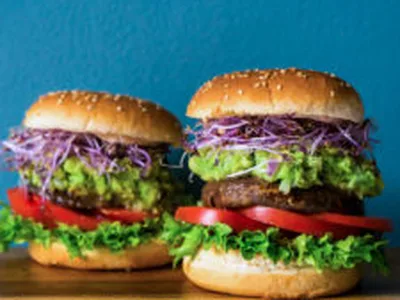
Grilled Portobello Burger with Avocado
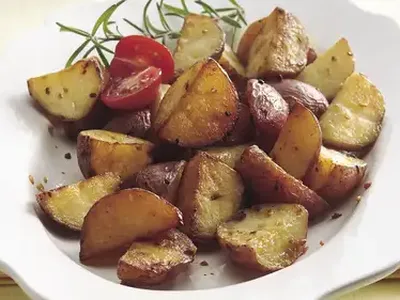
Seasoned Grilled New Potatoes with Garlic Butter