How to Cook Sweet Potatoes
Cooking sweet potatoes turns their dense, starchy flesh into tender, caramelized food through heat. The process converts complex starches into simple sugars, creating the characteristic sweetness these orange tubers are named for.
Why it matters
Sweet potatoes need different treatment than regular potatoes because their sugar content makes them prone to burning. They cook unevenly due to their tapered shape and dense texture. Proper technique ensures creamy interiors with caramelized exteriors. The right method prevents the stringy, dry texture that ruins most sweet potato dishes.
What you need
Steps
Scrub sweet potatoes under cold water using a vegetable brush until no dirt remains. Pat completely dry with paper towels. Moisture creates steam that prevents browning.
Pierce whole sweet potatoes 6-8 times with a fork if roasting whole. Cut into uniform pieces for even cooking. Aim for 1-inch cubes or 1/2-inch rounds. Smaller pieces caramelize better.
Heat your oven to 425°F for roasting. Place cut pieces on parchment-lined baking sheet in single layer. Drizzle with 2 tablespoons oil per pound. Toss until every surface glistens.
Roast 25-35 minutes for cubes, flipping once when bottoms turn deep golden brown. You'll hear gentle sizzling. Whole potatoes need 45-60 minutes at 400°F until a knife slides through the thickest part with zero resistance.
Check doneness by inserting fork into thickest piece. It should slide in smoothly. Internal temperature reaches 205-212°F when fully cooked. The flesh looks glossy and pulls apart in soft strands.
Remove from heat when edges caramelize to mahogany brown. Let rest 5 minutes before serving. The residual heat finishes cooking the centers while the sugars set into a creamy texture.
Common Mistakes
Cooking at temperatures below 375°F
What happens: Sweet potatoes steam instead of roast, turning mushy and bland
Fix: Always use 400-425°F for roasting to trigger caramelization
Cutting pieces too large or uneven
What happens: Outsides burn while centers stay hard and chalky
Fix: Keep all pieces within 1/4-inch size variation, never exceed 1.5-inch thickness
Crowding the pan
What happens: Steam builds up, preventing browning and creating soggy potatoes
Fix: Leave 1/2-inch space between pieces, use two pans if needed
Not drying potatoes after washing
What happens: Water creates steam pockets that explode, causing uneven cooking
Fix: Pat completely dry and let air-dry 10 minutes before cooking
Using glass baking dishes
What happens: Glass holds moisture and prevents bottom browning
Fix: Use metal pans that conduct heat evenly for proper caramelization
Troubleshooting
Sweet potatoes turn black after cutting
Then: Submerge in cold water with 1 tablespoon lemon juice per quart until ready to cook
Centers stay hard while outsides burn
Then: Lower temperature to 375°F and cover with foil for first 20 minutes, then uncover to finish
Potatoes taste bland despite browning
Then: Add 1/2 teaspoon salt per pound before cooking to enhance natural sweetness
Related Techniques
FAQ
Should I peel sweet potatoes before cooking?
Leave skins on for roasting whole or in wedges. The skin crisps up and adds fiber. Peel only for mashing or when recipe specifically requires it. Skins contain 3 times more fiber than the flesh. Scrub well and trim any dark spots. A vegetable peeler removes skin easily after cooking when flesh is hot.
What's the difference between orange and white sweet potatoes?
Orange sweet potatoes contain 400% more vitamin A and cook in 25-30% less time than white varieties. Orange types turn creamy and sweet when cooked above 170°F. White sweet potatoes stay firmer and taste less sweet, making them better for savory dishes. Both work with these techniques but adjust cooking times accordingly.
Can I cook sweet potatoes in the microwave?
Microwave whole medium sweet potatoes on high for 5-7 minutes, turning halfway through. Pierce skin 6 times first. Internal temperature should reach 205°F. This method cooks 75% faster than oven roasting but won't develop caramelized flavors. Best for quick weeknight meals when you need tender sweet potato flesh fast.
How do I store cooked sweet potatoes?
Cool cooked sweet potatoes completely within 2 hours. Store in airtight containers in refrigerator up to 5 days. Freeze in single layers on baking sheets, then transfer to freezer bags for up to 6 months. Reheat refrigerated potatoes at 350°F for 10-15 minutes until internal temperature hits 165°F.
Recipes Using This Technique

Candied Pecan Sweet Potato Muffins with Orange Ginger
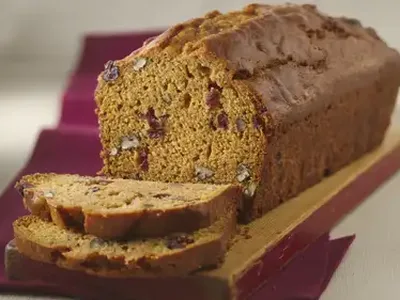
Cranberry Sweet Potato Bread with Cinnamon and Pecans
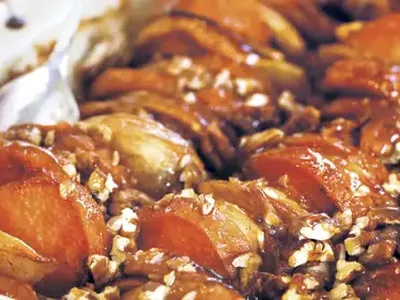
Honey-Bourbon Roasted Sweet Potatoes and Apples with Pecans

Roasted Sweet Potato Hummus Bowl with Spirulina

Sweet Potato Cake with Cinnamon Frosting and Pecans