How to Cream Butter and Sugar
Creaming butter and sugar means beating them together until the mixture turns pale and fluffy. The process creates tiny air pockets that make cakes and cookies tender.
Why it matters
Proper creaming gives you light, fluffy baked goods instead of dense bricks. The air bubbles you beat in expand during baking, creating that perfect crumb. Skip this step and your cookies turn out flat. Your cakes come out heavy.
What you need
Steps
Cut butter into 1-inch cubes and let it sit on the counter for 45-60 minutes. Press the butter with your finger. It should leave a dent easily but not feel greasy or melted. The temperature should read 65-68F on an instant-read thermometer.
Place butter cubes in your mixing bowl. Beat on medium speed for 30 seconds until the butter looks smooth and sticks to the bowl sides in one mass. Stop and scrape down the sides with your rubber spatula.
Add all the sugar at once. Start your mixer on low speed for 10 seconds to prevent sugar clouds. Increase to medium-high speed (setting 6 on a KitchenAid, setting 4 on most hand mixers).
Beat for 3-5 minutes total. Stop every minute to scrape the bowl sides and paddle. The mixture goes from grainy and yellow to smooth and pale ivory. You'll hear the motor sound change from labored to smooth whirring around minute 3.
Check for proper creaming by rubbing a bit between your fingers. It should feel light and airy, not gritty or greasy. The volume increases by about 50%. Well-creamed butter and sugar looks like thick whipped cream and smells slightly sweet.
Add eggs one at a time if your recipe calls for them next. Beat each egg for 30 seconds until fully incorporated. The mixture might look slightly curdled after each egg. That's normal. It smooths out as you continue mixing.
Common Mistakes
Using cold butter straight from the fridge
What happens: The mixture stays lumpy and never gets fluffy, resulting in dense baked goods
Fix: Always let butter warm to 65-68F before starting
Creaming for only 1-2 minutes
What happens: Not enough air gets incorporated, leading to flat cookies and heavy cakes
Fix: Set a timer for at least 3 minutes of active beating time
Using melted or too-soft butter
What happens: The butter can't hold air bubbles, creating greasy, spreading cookies
Fix: If butter feels oily or looks shiny, refrigerate for 10 minutes before using
Not scraping the bowl during mixing
What happens: Unmixed butter and sugar at the bottom creates streaky batters
Fix: Stop and scrape every 60 seconds during the creaming process
Troubleshooting
if the mixture looks curdled or separated after adding eggs
Then: Add 1 tablespoon of flour from your recipe and beat for 30 seconds to bring it back together
if your hand mixer starts smoking or smelling hot
Then: Stop immediately and let it cool for 15 minutes, then continue at a lower speed setting
if the mixture stays grainy after 5 minutes of beating
Then: Your butter was too cold, warm the bowl with a hair dryer for 20 seconds while mixing on low
Related Techniques
FAQ
Can I cream butter and sugar by hand without a mixer?
Yes, but it takes serious arm strength and 8-10 minutes of vigorous beating with a wooden spoon. The butter must be at exactly 70F to make this possible. You'll know you're done when your arm burns and the mixture looks pale and fluffy. Most recipes developed after 1950 assume you're using an electric mixer, so hand creaming might not give you the same results.
Why do some recipes call for superfine sugar instead of granulated?
Superfine sugar dissolves faster and creates a smoother texture in just 2-3 minutes of creaming versus 4-5 minutes for regular granulated sugar. The smaller crystals create more air pockets per cup. If you only have granulated sugar, add an extra minute of creaming time. You can make superfine sugar by pulsing regular sugar in a food processor for 30 seconds.
How do I know when butter is at room temperature?
Perfect room temperature butter reads 65-68F on a thermometer. Without a thermometer, press the butter wrapper with your finger. It should dent easily but still hold its shape. The butter should bend slightly when you try to cream it, not break apart (too cold) or squish flat (too warm). In a 70F kitchen, this takes 45-60 minutes for a standard stick of butter.
What's the difference between light and fluffy versus just mixed?
Properly creamed butter and sugar increases in volume by 30-50% and turns from deep yellow to pale ivory. Just mixed means you've combined them but haven't incorporated air. The difference shows in your final product. Well-creamed batters produce cakes that rise 25% higher and cookies that stay thick instead of spreading thin.
Recipes Using This Technique

Dutch Potato Casserole with Cheese and Bacon

Tikka Masala Chicken Pasta with Cream Sauce
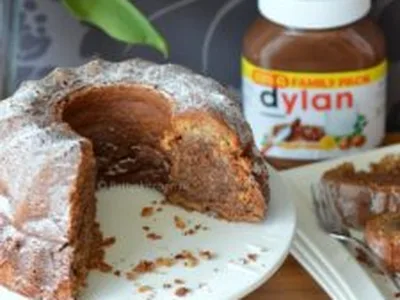
Banana Nutella Marble Bundt Cake
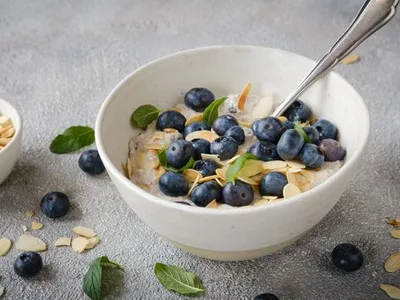
Quick Vegan Overnight Oats with Cherries
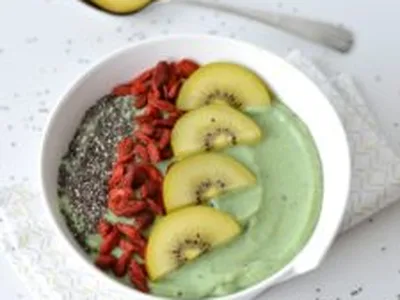
Kiwi Avocado Smoothie Bowl with Spirulina