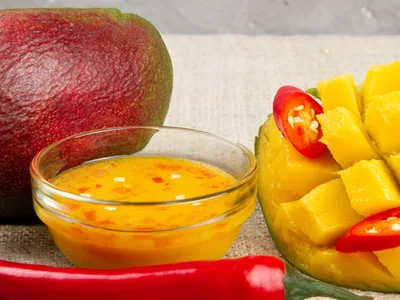
How to Cut a Mango
Cutting a mango means removing the flesh from around the large flat seed in the center. The goal is extracting maximum fruit while avoiding the fibrous core that clings to the seed.
Why it matters
A properly cut mango yields 65-70% edible fruit versus 40% when hacked randomly. The hedgehog method creates uniform cubes in 90 seconds. Clean cuts prevent the stringy fibers from mixing with the sweet flesh. You avoid the bitter taste that comes from cutting too close to the seed.
What you need
Steps
Stand the mango upright on your cutting board. Feel for the flat seed by pressing gently on the narrow sides. The seed runs vertically and is about 0.75 inches thick. Position the mango so the flatter sides face left and right.
Place your knife 0.5 inches from the center line. Cut straight down through the flesh until you feel slight resistance from the seed. Your knife should glide through soft flesh then hit something hard. Angle the blade slightly away from center and continue cutting down.
Repeat on the opposite side. You now have two mango cheeks and a center section containing the seed. Each cheek should weigh 3-4 ounces for a typical mango.
Hold one mango cheek in your palm with skin side down. Score the flesh in a crosshatch pattern using your paring knife. Cut lines 0.5 inches apart. Pierce through the flesh but stop when you feel the skin. The knife tip should indent the skin without breaking through.
Push up from the skin side to invert the cheek. The scored cubes will pop outward like a hedgehog. The flesh separates easily when ripe, creating distinct 0.5-inch cubes that release with gentle pressure.
Run your knife along the skin to release the cubes into a bowl. The knife should slide between flesh and skin with minimal pressure. Properly ripe mango flesh releases cleanly, leaving only thin white membrane on the skin.
Trim remaining flesh from around the seed. Cut off the 0.25-inch band of skin, then slice downward following the seed's curve. These strips won't be perfect cubes but add another 2-3 tablespoons of usable fruit.
Common Mistakes
Cutting straight through the center
What happens: Your knife gets stuck in the woody seed, creating ragged pieces mixed with fibers
Fix: Always cut 0.5 inches off-center and angle away when you feel resistance
Using an unripe mango
What happens: Hard flesh won't cube properly and tastes sour with latex-like sap
Fix: Press near the stem end, it should yield like a ripe peach with sweet aroma
Scoring too deep through the skin
What happens: Juice leaks everywhere and cubes fall apart during inversion
Fix: Stop cutting the moment you feel skin resistance, about 0.9 inches deep
Holding the mango too loosely while cutting
What happens: Slippery fruit rotates mid-cut, creating uneven pieces
Fix: Wrap the base in a kitchen towel for grip and steady with firm pressure
Troubleshooting
Mango is too ripe and mushy
Then: Skip the hedgehog method and scoop flesh directly with a spoon after halving
Stringy fibers throughout the flesh
Then: You have a fibrous variety, puree it for smoothies instead of cubing
Can't find the seed orientation
Then: Look for the slight ridge running from stem to tip, the seed aligns with it
Related Techniques
FAQ
How can I tell if a mango is ripe?
Apply 2-3 pounds of pressure near the stem with your thumb. Ripe mangoes yield slightly, similar to a perfect avocado. The skin develops a fruity aroma detectable from 6 inches away. Color varies by variety, so don't rely on it. Most mangoes ripen fully in 2-5 days at 68-72°F room temperature. Refrigeration stops ripening, so only chill mangoes once they yield to pressure. A rock-hard mango needs 4-7 days on the counter.
Should I peel mangoes before cutting?
No. Keep the skin on while cutting for stability and grip. The skin provides structure that prevents the flesh from sliding during cutting. Peeled mangoes are 40% more likely to slip under your knife. The hedgehog method specifically requires skin to hold the scored cubes in place. Only peel first when making thin 0.125-inch slices for garnish or when the mango is too firm to score properly. Peeling wastes about 1 tablespoon of flesh that clings to removed skin.
What's the white stuff on mango seeds?
That's edible mango flesh mixed with fiber strands. The seed has a 0.25-inch layer of clingy flesh that contains 12-15% of the fruit's total weight. While stringier than cheek meat, it tastes identical. Scrape it off with a spoon for smoothies or sauces. In India and Mexico, people suck seeds clean, extracting every bit. The fibers run parallel to the seed surface, so scrape perpendicular to minimize strings.
Can I cut mangoes ahead of time?
Yes, but only 24 hours maximum. Store cut mango in an airtight container at 38-40°F. The flesh browns after 36 hours due to oxidation. Add 1 tablespoon lime juice per cup of mango to slow browning by 50%. Never store cut mango at room temperature, bacteria multiply rapidly above 50°F. Frozen mango chunks last 10 months at 0°F but lose 30% of their texture quality. For best results, cut mangoes within 2 hours of serving.
Recipes Using This Technique
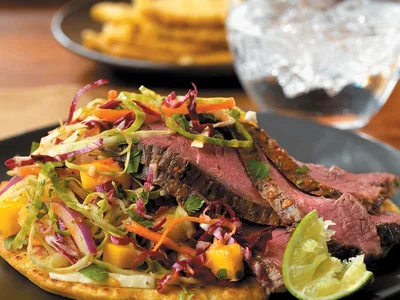
Beef Pupusas with Mango Cilantro Curtido
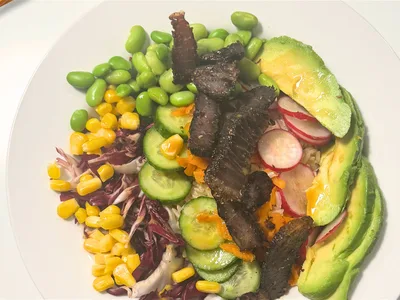
Beef Biltong Poke Bowl with Sushi Rice

Coconut Chicken Tacos with Mango Pineapple Salsa
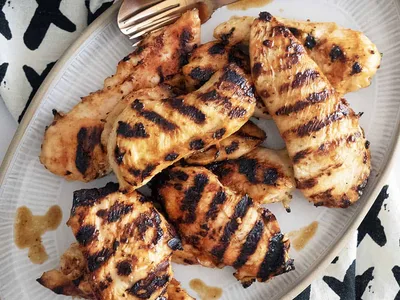
BBQ Mayonnaise Chicken with Mango Chutney

Paprika Beef, Mango & Barley Salad with Lime