How to Make a Dry Rub
A dry rub is a mixture of spices, herbs, salt, and sugar rubbed directly onto meat, fish, or vegetables before cooking. The blend creates a flavorful crust and seasons food throughout without adding moisture.
Why it matters
Dry rubs build complex flavor in 5 minutes instead of the 24 hours marinades need. They create a textured crust that wet seasonings can't achieve. The spices bloom in direct heat, releasing oils that penetrate 1/4 inch into the meat. You control salt and sugar ratios precisely, which determines both flavor and browning.
What you need
Steps
Pat your protein completely dry with paper towels. Moisture prevents spices from sticking and creates steam instead of crust. The surface should feel tacky, not wet. For a 2-pound pork shoulder, use 6 paper towels.
Mix your base ratio of 2 tablespoons kosher salt, 1 tablespoon black pepper, and 1 tablespoon paprika in a small bowl. Fork through the mixture 20 times to break up clumps. The blend should look uniform rust-red with no white salt pockets.
Add sweet and savory elements using this formula: for every 4 tablespoons of base mix, add 2 tablespoons brown sugar, 1 tablespoon garlic powder, and 1 teaspoon cayenne. The mixture should smell sharp and slightly sweet, like barbecue potato chips.
Sprinkle the rub from 6 inches above the meat, using 1 tablespoon per pound. This height ensures even coverage. Work in sections, coating one side completely before flipping. The meat should look like coarse sandpaper, with no bare spots visible.
Press the rub into the meat using your palm, applying 5 pounds of pressure for 3 seconds per section. You'll feel the granules embed into the surface. The spices should stick without falling off when you lift the meat.
Let the rubbed meat sit at room temperature for 45 minutes before cooking. The surface will darken as salt draws out moisture that dissolves the spices. Small droplets will form then disappear as the rub becomes paste-like.
Store unused rub in an airtight container for up to 6 months. Write the date and base ratio on masking tape. The mixture stays fresh when you can still smell distinct spices from 3 inches away when you open the container.
Common Mistakes
Using table salt instead of kosher salt
What happens: Over-salted meat because table salt is twice as salty by volume
Fix: Always use kosher salt or reduce table salt amounts by 50%
Applying rub to wet meat
What happens: Spices clump into paste and won't form a crust
Fix: Dry meat until paper towels come away clean with no moisture
Using old spices from the back of your cabinet
What happens: Flat, dusty flavor with no aromatic punch
Fix: Replace ground spices yearly and smell-test before using
Rubbing immediately before high-heat cooking
What happens: Spices burn before meat cooks, creating bitter carbon taste
Fix: Let rub sit 45 minutes or reduce cooking temperature by 50F
Troubleshooting
If rub won't stick to the meat
Then: Brush meat with 1 teaspoon oil per pound or spray with cooking spray before applying rub
If the crust tastes bitter after grilling
Then: Reduce sugar to 1 tablespoon per cup of rub and move meat to indirect heat at 350F
If rub is too salty after cooking
Then: Slice meat thinner (1/4 inch) and serve with acidic sides like coleslaw or pickles
Related Techniques
FAQ
How much dry rub do I need per pound of meat?
Use 1 tablespoon of rub per pound for thick cuts like brisket or pork shoulder. Reduce to 2 teaspoons per pound for thin cuts like chicken breasts or fish fillets that cook in under 20 minutes. A 5-pound pork butt needs 5 tablespoons total, which equals about 1/3 cup. Double these amounts if you want extra crust or are cooking over high heat where some spices might burn off.
Can I use a dry rub on vegetables?
Yes, but cut the salt by 75% since vegetables release more water than meat. Use 1 teaspoon salt per 1/4 cup total rub for vegetables. Toss 2 pounds of cubed vegetables with 2 tablespoons oil first, then add 3 tablespoons of modified rub. Root vegetables like potatoes need 45 minutes at 425F, while zucchini only needs 20 minutes. The vegetables are done when edges turn deep brown and centers feel tender when pierced.
What's the difference between a dry rub and seasoning salt?
Seasoning salt contains 60-80% salt with flavor additives, while dry rubs balance 25% salt with 75% spices and herbs. A proper dry rub uses 6-12 ingredients to build layers, compared to seasoning salt's 3-4 ingredients. Dry rubs include sugar for caramelization and larger spice particles that create texture. You control every ingredient in a dry rub, while seasoning salts often hide MSG or anticaking agents in their blends.
How long can I leave dry rub on meat before cooking?
Most meats handle dry rub for 45 minutes to 24 hours in the refrigerator. Thick cuts like brisket improve with 12-24 hours as salt penetrates 1/2 inch deep. Thin cuts like fish fillets need just 30 minutes or the salt will pull out too much moisture. Chicken peaks at 4-6 hours. After 24 hours, the texture becomes ham-like from excessive salt curing. Always refrigerate rubbed meat after the first hour at room temperature.
Recipes Using This Technique
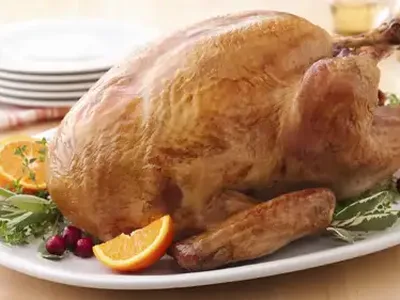
Best Brined Turkey Recipe for Juicy Roasted Holiday Bird
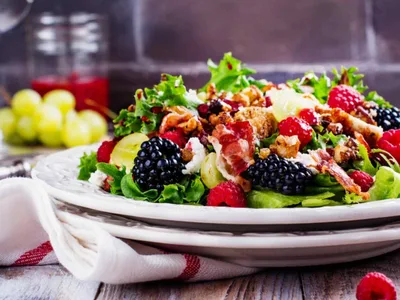
Grilled Chicken Summer Berry Salad with Raspberry Dressing
Homemade Pumpkin Pie with Butter Crust

Sneaky Pizza Baked Potatoes with Hidden Cauliflower
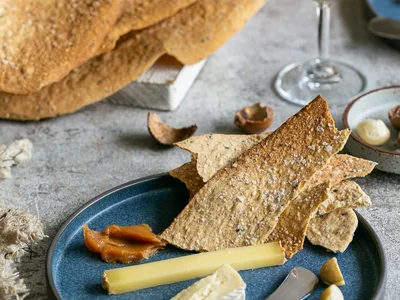
Spiced Lavosh Crackers with Toasted Seeds