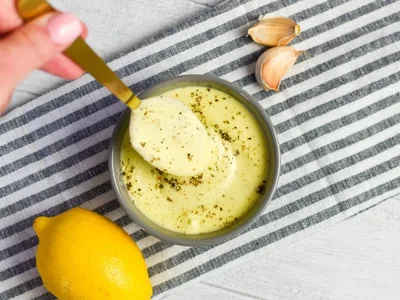
How to Emulsify
Emulsifying combines two liquids that normally don't mix, like oil and water, into a stable mixture. The technique uses mechanical force and often an emulsifier like mustard or egg yolk to keep droplets suspended.
Why it matters
Emulsifying creates creamy textures impossible with simple mixing. A proper emulsion turns separated oil and vinegar into silky salad dressing. It turns butter and egg yolks into hollandaise sauce thick enough to coat asparagus. Without this technique, your aioli splits into greasy puddles.
What you need
Steps
Place your mixing bowl on a damp kitchen towel to prevent sliding. Add egg yolk, mustard, or other emulsifier to the bowl. These ingredients contain lecithin, which helps oil and water bind together. Room temperature ingredients mix more easily than cold ones.
Whisk your base ingredients for 30 seconds until they turn pale yellow and slightly thicker. Add any acidic liquid like lemon juice or vinegar now. The mixture should look uniform with no streaks. This creates your foundation.
Start adding oil drop by drop while whisking constantly. Count 3 drops, whisk for 5 seconds, then 3 more drops. The mixture stays thin at first. After adding about 2 tablespoons of oil this way, you'll see it start to thicken and turn lighter in color.
Pour oil in a thin, steady stream once the emulsion forms. Keep whisking continuously. The stream should be about as thick as a strand of spaghetti. Listen for the whisking sound to change from splashing to a thick swooshing. This means your emulsion is working.
Stop adding oil when the mixture reaches mayonnaise consistency and coats the whisk heavily. Total oil should be 3 to 4 times the volume of your starting liquid. Taste and adjust with salt, pepper, or more acid. The texture should be smooth as yogurt with no visible oil droplets.
Test stability by letting a spoonful sit for 60 seconds. A proper emulsion stays creamy without oil separating on top. Store in an airtight container. Most emulsions last 3-7 days refrigerated, though butter-based ones like hollandaise need gentle reheating within 2 hours.
Common Mistakes
Adding oil too fast at the beginning
What happens: The mixture never thickens and stays separated like oil floating on water
Fix: Start with individual drops for the first 2 tablespoons, counting 3 seconds between additions
Using cold ingredients straight from the fridge
What happens: The emulsion breaks into curdled chunks or won't come together at all
Fix: Let ingredients sit at room temperature for 20 minutes before starting
Whisking too slowly or stopping mid-process
What happens: Oil pools on the surface instead of incorporating
Fix: Maintain steady whisking at 2-3 beats per second without pausing until finished
Wrong ratio of oil to liquid
What happens: Too thin and runny or so thick it turns grainy
Fix: Use 3:1 ratio of oil to liquid base for dressings, 8:1 for mayonnaise
Troubleshooting
Your emulsion suddenly breaks into greasy liquid while adding oil
Then: Stop immediately and start fresh with 1 egg yolk or 1 tablespoon mustard in a clean bowl, then slowly whisk the broken mixture into this new base
Finished emulsion looks right but tastes flat or boring
Then: Add 1/2 teaspoon salt and 1 teaspoon acid like lemon juice or vinegar, which brightens flavors and helps stabilize the mixture
Related Techniques
FAQ
Can I use a blender instead of whisking by hand?
Yes, but only for stable emulsions like mayonnaise. Use your blender on low speed and drizzle oil through the lid opening over 45-60 seconds. Hand whisking gives better control for delicate sauces like hollandaise. Immersion blenders work best, processing 1 cup of mayonnaise in 90 seconds. Regular blenders need at least 1.5 cups of ingredients to reach the blades properly.
Why does my vinaigrette separate in the fridge?
Most vinaigrettes are temporary emulsions that naturally separate after 30-45 minutes. Adding 1/2 teaspoon Dijon mustard per cup of dressing helps it stay mixed for 2-3 days. Shake vigorously for 20 seconds before each use. For permanent stability, use 1 egg yolk per cup of oil, though this changes the flavor and requires refrigeration within 2 hours.
What's the difference between mayonnaise and aioli?
Traditional aioli uses only garlic and oil, pounded together in a mortar until thick. It takes 15-20 minutes of grinding to release enough garlic juice to emulsify 1 cup of oil. Modern aioli recipes add egg yolk for easier emulsification. Mayonnaise always contains egg yolk plus acid, using a 8:1 ratio of oil to yolk. Both reach similar thickness but aioli tastes sharper from raw garlic.
How do I know when I've added too much oil?
The mixture turns from creamy to greasy-looking and may show tiny oil droplets on the surface. Maximum oil capacity depends on your emulsifier. One egg yolk holds up to 3/4 cup oil, while 1 tablespoon mustard emulsifies 1/2 cup oil. Stop adding oil when whisking becomes difficult or the mixture looks glossy rather than matte.
Recipes Using This Technique
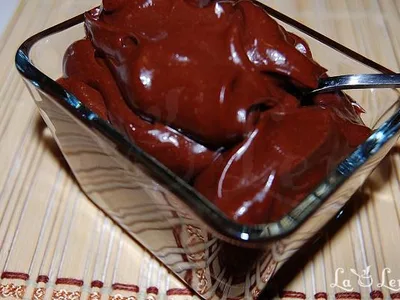
5-Minute Vegan Chocolate Cream Emulsion
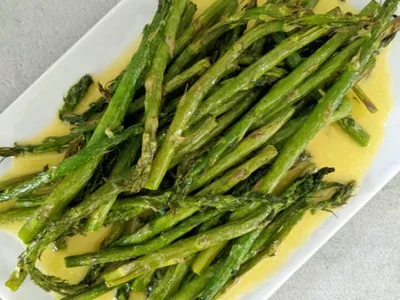
Air Fryer Asparagus with Hollandaise Sauce
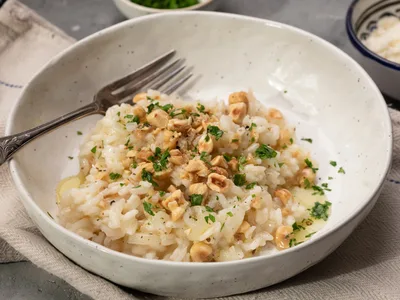
Buttery Hazelnut Risotto with Toasted Nuts
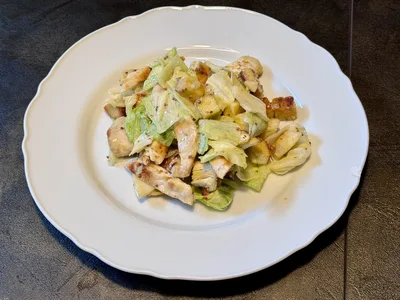
Grilled Chicken Caesar Salad with Parmesan Crisps
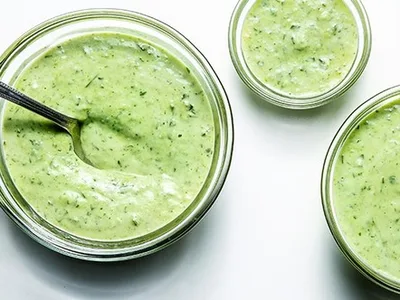
Herb-Infused Green Goddess Dressing with Avocado