How to Make a Roux
A roux is cooked flour and fat that thickens soups, sauces, and gravies. You cook equal parts flour and butter together until the raw flour taste disappears and the mixture reaches your desired color.
Why it matters
Roux creates smooth, lump-free thickness that cornstarch slurries can't match. It adds depth. Blonde roux tastes nutty, dark roux tastes like toasted hazelnuts. The darker you cook it, the less it thickens but the more flavor it brings.
What you need
Steps
Melt 4 tablespoons butter in your heavy-bottomed skillet over medium heat. Wait for the foam to subside, about 2 minutes. The butter should smell sweet, not browned. Keep the heat at medium to prevent burning.
Add 4 tablespoons all-purpose flour all at once. Stir immediately with your wooden spoon. The mixture will look like wet sand at first. Keep stirring constantly for 30 seconds until it forms a smooth paste that smells like raw cookie dough.
Cook for 3-5 minutes for blonde roux, stirring every 15 seconds. Watch for the color to shift from pale yellow to light tan, like coffee with lots of cream. The raw flour smell fades. You'll smell toasted bread instead. This blonde stage works for bechamel and cheese sauces.
Continue cooking 8-10 minutes total for peanut butter roux. The paste darkens to golden brown. It smells nutty now. Stir constantly in figure-8 patterns to prevent hot spots. This color works great for chicken gravies and vegetable soups.
Push to 15-20 minutes for dark roux if making gumbo. The color deepens to milk chocolate. Lower heat to medium-low at 10 minutes. The roux thins out and bubbles lazily. It smells like toasted pecans. Dark roux adds flavor but thickens less than blonde.
Add your liquid slowly once you reach the right color. Pour 1 cup warm stock in a thin stream while whisking hard. The mixture will bubble and steam violently. Keep whisking. Add remaining liquid 1 cup at a time until smooth. Each addition takes 30 seconds of whisking to incorporate fully.
Common Mistakes
Using high heat to speed things up
What happens: Roux burns in spots while staying raw in others, creating bitter flavor and lumps
Fix: Keep heat at medium or medium-low, stirring constantly with patience
Adding cold liquid to hot roux
What happens: Roux seizes into lumps that won't smooth out no matter how much you whisk
Fix: Warm your stock to at least 120F before adding, or let roux cool 5 minutes first
Stopping stirring to answer the phone
What happens: Bottom layer burns in 30 seconds, ruining the entire batch with acrid taste
Fix: Never leave roux unattended, remove from heat if you must step away
Using pre-shredded cheese in roux-based sauce
What happens: Anti-caking agents prevent smooth melting, creating grainy texture
Fix: Grate cheese fresh from the block, add off heat once sauce reaches 160F
Troubleshooting
Sauce stays thin after adding roux
Then: Simmer 10 more minutes to activate thickening power, or your roux was too dark (less thickening)
Lumps form despite constant whisking
Then: Strain through fine mesh, then blend with immersion blender for 30 seconds
Related Techniques
FAQ
Can I make roux with oil instead of butter?
Yes, use any fat with a smoke point above 350F. Vegetable oil works for dark roux since it handles 20 minutes of heat better than butter. Use equal amounts by weight, not volume. One stick butter equals 1/2 cup oil. Oil roux lacks butter's flavor but won't burn as easily. Bacon fat adds smokiness, perfect for gumbo.
How much roux do I need per cup of liquid?
Use 1 tablespoon each flour and fat per cup of liquid for medium thickness. That's like heavy cream. For thin sauce, use 2 teaspoons each. For thick gravy that coats a spoon, use 2 tablespoons each. Dark roux needs 50% more since it thickens less. A quart of gumbo needs 1/2 cup dark roux.
Can I make roux ahead and store it?
Cook roux to your desired color, then cool completely. Store in an airtight container up to 1 week in the fridge or 3 months frozen. Portion into ice cube trays first. Each cube equals 2 tablespoons. Thaw overnight in the fridge. Whisk into warm liquid directly from cold. The fat might separate during storage, just stir it back together.
Why does my white sauce taste floury even after cooking 10 minutes?
Your roux needs more initial cooking before adding liquid. Raw flour taste persists if you only cook 1-2 minutes. Cook blonde roux minimum 5 minutes until it smells like pie crust. Also check your ratios. Too much flour overwhelms the fat. Stick to 1:1 by weight, which means 4 tablespoons butter to 1/4 cup flour.
Recipes Using This Technique

Apple and Blackberry Crumble with Oat Topping
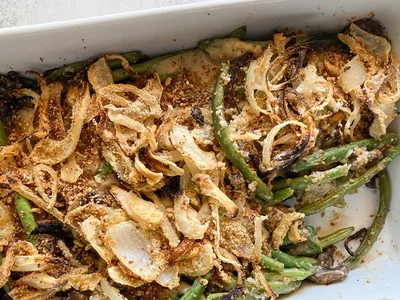
Crispy Onion Green Bean Casserole with Mushroom Roux
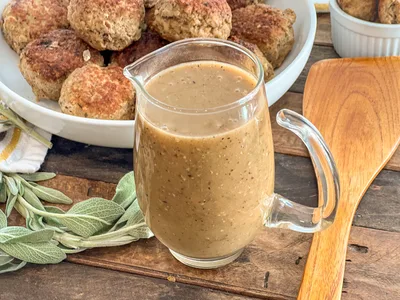
Easy Skillet Pan Gravy with Chicken Broth
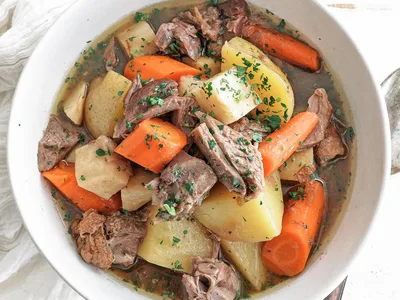
Braised Lamb Shanks Stew with Root Vegetables

Mediterranean Chicken Meatballs in Tomato Cream Sauce