How to Flambe
Flambéing ignites alcohol to burn off raw alcohol taste while adding caramelized flavors. The technique uses 80-proof or higher spirits that catch fire at 130F when exposed to flame.
Why it matters
Flambéing reduces alcohol content by 75% in 30 seconds while creating complex caramel notes you can't get any other way. The high heat (500F flame) instantly caramelizes sugars on food surfaces. Regular cooking only evaporates 40% of alcohol even after 15 minutes of simmering.
What you need
Steps
Remove your pan from heat completely. Pour 2-3 tablespoons of 80-proof spirit per serving into the hot pan. The alcohol should shimmer and smell sharp but not boil. If it bubbles vigorously, let it cool for 20 seconds.
Tilt the pan at a 45-degree angle away from you. This pools the alcohol for easier ignition. Keep your face at least 2 feet from the pan edge.
Light the alcohol vapors at the pan's far edge using a long lighter. Blue flames should race across the surface within 1 second. The flames will be 6-8 inches tall initially.
Level the pan and gently swirl in a circular motion. The flames should dance evenly across the liquid. You'll smell caramel developing after 15 seconds as sugars brown.
Let flames burn until they shrink to 1-2 inches tall, about 30-45 seconds total. The liquid reduces by half and turns golden amber. Flames die naturally when alcohol drops below 50 proof.
Add 2 tablespoons butter and swirl to create a glossy sauce. The sauce coats a spoon and tastes sweet, not sharp. Return to heat if needed to finish your dish.
Common Mistakes
Using wine or beer (40-proof or less)
What happens: Alcohol won't ignite because vapor concentration is too low
Fix: Use spirits that are 80-proof minimum (40% alcohol by volume)
Flambéing over high heat
What happens: Alcohol boils off before igniting, creating 2-foot flames or flash fire
Fix: Remove pan from heat source before adding alcohol
Pouring alcohol straight from the bottle
What happens: Flame can travel up the stream into the bottle
Fix: Measure alcohol into a small pitcher first, cap the bottle
Adding cold alcohol to cold pan
What happens: No vapor forms, alcohol won't light even with direct flame
Fix: Pan must be 170F minimum, alcohol at room temperature
Troubleshooting
Flames are 12+ inches high and won't calm down
Then: Slide the pan lid on at an angle to cut oxygen supply, flames die in 3 seconds
Alcohol won't ignite after multiple attempts
Then: Heat 2 tablespoons of alcohol in a metal ladle until wisps appear, then ignite and pour
Sauce tastes harsh and boozy after flames die
Then: Add 2 tablespoons cream and simmer 2 minutes to mellow remaining alcohol
Related Techniques
FAQ
Can I flambé with vodka?
Vodka works but creates invisible flames that burn at 1,900F. You won't see them in bright light. Vodka lacks sugar so it won't add caramel flavors like cognac or rum. Use colored spirits for safety. Dark rum has 3 grams sugar per ounce. Cognac has 1.5 grams. Both create visible blue flames you can monitor.
How much alcohol burns off?
A 30-second flambé removes 75% of alcohol. The temperature reaches 500F at the flame but 170F in the liquid below. After 1 minute of burning, 80% is gone. Even after flames die, simmering for 3 minutes removes another 10%. Your final sauce contains 5-10% of the original alcohol content.
What's the safest way to practice?
Start with 2 tablespoons of brandy in a cold 10-inch skillet. Heat on medium until the edges shimmer, about 90 seconds. Remove from heat. Count to 5. Light with a long lighter at arm's length. The flames stay under 6 inches with this small amount. Practice the wrist motion for swirling while flames burn. Master this before attempting tableside service.
Why does my banana foster taste bitter?
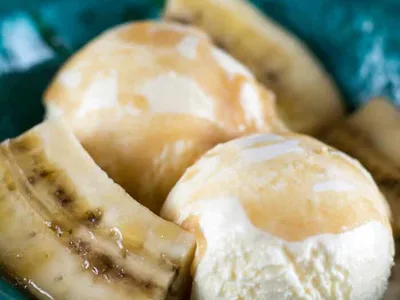
Flames touching the bananas for over 45 seconds create bitter compounds. Add bananas after flambéing finishes. Or use the two-pan method. Flambé rum in one pan while bananas cook in another. Pour the flaming rum over just before serving. Contact time stays under 10 seconds.