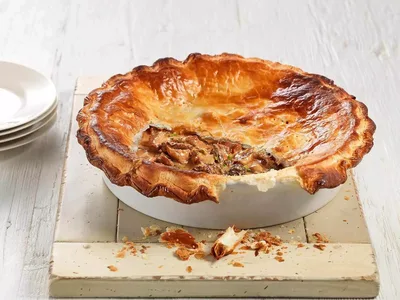
How to Deglaze a Pan
Deglazing is adding liquid to a hot pan after cooking meat or vegetables to dissolve the browned bits stuck to the bottom. These bits, called fond, contain concentrated flavor that becomes the base for sauces and gravies.
Why it matters
Deglazing captures flavor that would otherwise go down the drain. Those brown bits contain caramelized proteins and sugars that add depth no seasoning can replicate. A 30-second deglaze turns a plain chicken breast into restaurant-quality food. The technique also cleans your pan while cooking.
What you need
Steps
Cook your protein or vegetables over medium-high heat until golden brown bits stick to the pan bottom. Remove the food to a plate. The pan should have a layer of brown residue, not black char.
Keep the pan on medium heat. Wait 10 seconds. Add 1 tablespoon butter or oil if the pan looks completely dry. The fat should shimmer within 15 seconds.
Pour 1/2 cup liquid into the hot pan. Stand back. The liquid will bubble violently and steam will rise. Wine sizzles louder than stock. Water creates the most steam.
Scrape the pan bottom with your wooden spoon while the liquid bubbles. Work in circles from the center outward. The brown bits should dissolve within 30 to 45 seconds. The liquid will turn amber or brown.
Let the liquid reduce by half over medium heat, about 2 to 3 minutes. The sauce should coat the back of your spoon. Bubbles will slow from rapid to lazy. The aroma intensifies as water evaporates.
Taste and season with salt and pepper. Add 1 tablespoon cold butter for richness. Swirl the pan to melt the butter. Pour over your cooked food immediately while the sauce is glossy.
Common Mistakes
Using a nonstick pan
What happens: No fond develops because food doesn't stick
Fix: Use stainless steel or cast iron for proper browning
Deglazing a pan with burnt black bits
What happens: The sauce tastes bitter and acrid
Fix: Only deglaze pans with brown fond, not black char
Adding liquid to a cold pan
What happens: Fond stays stuck and won't dissolve
Fix: Keep pan hot, around 300F to 350F
Using too much liquid
What happens: Sauce becomes thin and flavorless
Fix: Start with 1/2 cup liquid for a 12-inch pan
Not scraping enough
What happens: Fond remains on pan, flavor stays trapped
Fix: Scrape continuously for 45 seconds until pan looks clean
Troubleshooting
Liquid evaporates instantly without loosening fond
Then: Lower heat to medium and add 2 more tablespoons liquid. Scrape harder with more pressure.
Sauce tastes flat after reducing
Then: Add 1 teaspoon vinegar or lemon juice. Acidity brightens flavors. Finish with 1 tablespoon cold butter.
Fond won't come off despite scraping
Then: Turn off heat, add 1/4 cup liquid, cover pan for 2 minutes. Steam loosens stubborn bits.
Related Techniques
FAQ
What's the best liquid for deglazing?
Wine works best for flavor, but any liquid works. Red wine adds richness to beef, white wine brightens chicken and fish. Use 1/2 cup wine with 14% alcohol or less. Higher alcohol wines need 30 seconds to cook off harsh flavors. Stock adds body without alcohol. Even water works, though it needs salt and 1 tablespoon butter to taste good.
Can I deglaze with vinegar or citrus juice?
Yes, but dilute acidic liquids first. Mix 2 tablespoons vinegar with 6 tablespoons water or stock. Pure vinegar creates harsh, sour flavors. Balsamic vinegar needs the most dilution, about 1 part vinegar to 4 parts water. Lemon juice works the same way. The acid helps dissolve fond faster than neutral liquids.
How do I know when fond is ready for deglazing?
Good fond looks golden to deep brown, like coffee with cream. Touch it with your spoon. It should feel crispy, not soft or gummy. Smell the pan. You want toasted, nutty aromas, not smoke. The best fond develops after 4 to 6 minutes of searing at 400F to 450F. Black spots mean burnt fond. Start over.
Why does my deglazing liquid disappear so fast?
Your pan is too hot. Deglazing works best at 300F to 350F, not the 450F used for searing. Let the empty pan cool for 20 to 30 seconds after removing food. The liquid should bubble steadily, not vanish in a puff of steam. A properly heated pan takes 2 to 3 minutes to reduce 1/2 cup liquid by half.
Recipes Using This Technique
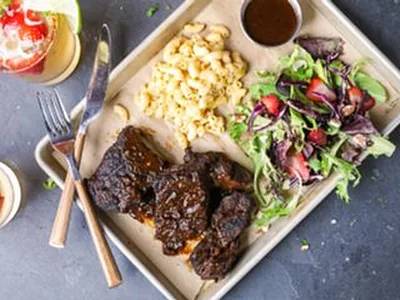
Bourbon BBQ Short Ribs with Smoky Tomato Glaze

Creamy Mushroom Wild Rice Soup
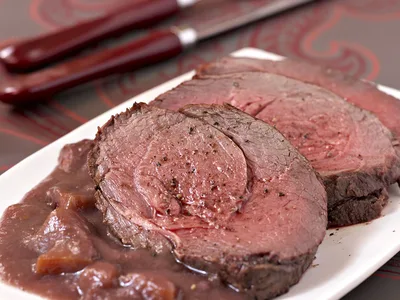
Roasted Venison Loin with Grand Veneur Sauce
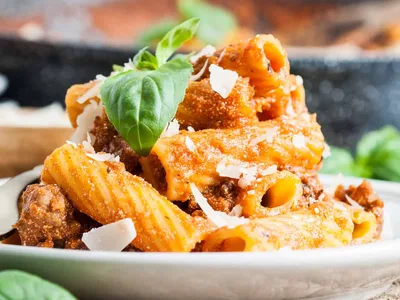
Creamy Italian Sausage Rigatoni with Cottage Cheese
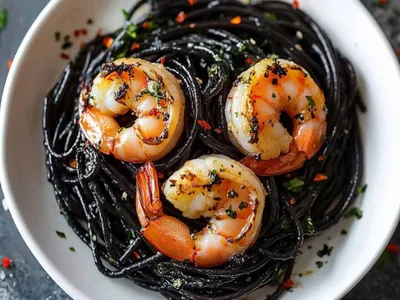
Squid Ink Pasta with Garlic Shrimp and White Wine