How to Knead Dough
Kneading develops gluten strands in dough by stretching and folding it repeatedly. The process turns shaggy flour and water into smooth, elastic dough that can trap gas bubbles for rise.
Why it matters
Proper kneading creates the structure bread needs to rise. Without it, you get dense, crumbly results. Kneading aligns gluten proteins into long chains that stretch like rubber bands. This network holds the CO2 from yeast, creating light, airy bread with good chew.
What you need
Steps
Turn your mixed dough onto a clean, unfloured surface. Yes, unfloured. The dough needs friction to develop properly. It will stick at first. Use your bench scraper to gather it into a rough ball.
Push the heel of your dominant hand into the center of the dough, pressing forward and down at a 45-degree angle. You should hear a slight squishing sound as air escapes. Push until the dough spreads to about 8 inches long.
Fold the far edge back over itself toward you, like closing a book. Give the dough a quarter turn clockwise. Repeat the push-fold-turn sequence. The dough will tear and stick for the first 2-3 minutes.
Continue kneading for 8-10 minutes total. Around minute 4, the dough stops sticking to your hands. By minute 6, it feels smooth like a baby's cheek. The surface develops tiny blisters you can see when you stretch it.
Test for doneness with the windowpane test. Pinch off a golf-ball-sized piece. Stretch it gently between your fingers. Ready dough stretches thin enough to see light through it without tearing. If it breaks, knead 2 more minutes.
Form the dough into a tight ball by tucking edges underneath. The top should be taut and smooth, like a balloon skin. Place seam-side down in your oiled bowl. Cover with the damp towel for the first rise.
Common Mistakes
Adding flour while kneading because dough feels sticky
What happens: Creates dense, dry bread that won't rise properly
Fix: Let stickiness work itself out during the first 3-4 minutes of kneading
Kneading on a floured surface from the start
What happens: Dough slides around instead of developing gluten
Fix: Start on a clean, dry counter for proper friction
Using fingertips or knuckles instead of palm heel
What happens: Tears dough instead of stretching it, creating uneven texture
Fix: Use the meaty part of your palm below your thumb
Stopping at 5 minutes when dough looks smooth
What happens: Underdeveloped gluten leads to flat, dense loaves
Fix: Always knead the full 8-10 minutes and do the windowpane test
Troubleshooting
Dough stays sticky after 5 minutes of kneading
Then: Wet your hands with water instead of adding flour. Continue kneading. Most doughs release from hands between minutes 4-6.
Arms get tired before 10 minutes
Then: Take a 30-second break every 3 minutes. Cover dough with inverted bowl. Use your body weight, not just arm strength.
Dough tears during windowpane test even after 12 minutes
Then: Let dough rest 5 minutes under a bowl, then knead 3 more minutes. Some flours need up to 15 minutes total.
Related Techniques
FAQ
How do I know if I've over-kneaded?
Over-kneaded dough feels tight and resists stretching, like a rubber ball. It happens after 20-25 minutes of hand kneading. The surface looks rough instead of smooth. Your bread will be dense with a tight crumb. With a stand mixer, over-kneading can happen in just 12-15 minutes on high speed. If you suspect over-kneading, let the dough rest 20 minutes to relax the gluten.
Can I knead cold dough straight from the fridge?
Cold dough needs 30-45 minutes at room temperature before kneading. Below 65F, gluten develops poorly and dough tears easily. You can tell it's ready when the dough gives slightly when poked, instead of feeling rock-hard. For overnight refrigerated dough, remove it 1 hour before you plan to shape it.
Why does my dough get sticky again after it seemed fine?
Temperature changes cause this. When dough warms from 70F to 78F during kneading, starches absorb more water and feel sticky again. This is normal. Keep kneading without adding flour. The stickiness resolves in 1-2 minutes as gluten continues developing. Room temperature above 75F makes this more likely.
What's the difference between pizza dough and bread dough kneading?
Pizza dough needs 6-8 minutes of kneading versus 10-12 for bread. Pizza dough should stretch easily but tear before becoming transparent in the windowpane test. This gives the characteristic chewy-crisp texture. Bread dough needs full gluten development for maximum rise, requiring those extra 2-4 minutes of kneading time.
Recipes Using This Technique
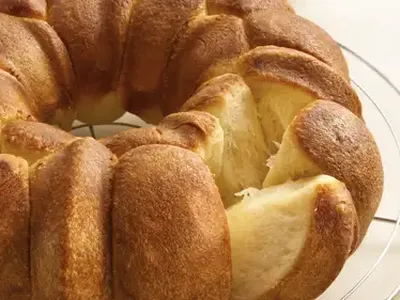
Fluffy Pull-Apart Butter Bread Rolls in Bundt Pan

Beet Wraps with Goat Cheese Guacamole
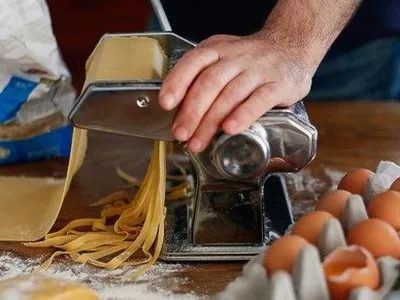
Homemade Fresh Pasta Dough Recipe

Overnight Pumpkin Spice Rolls with Browned Butter Cream Cheese Icing

Homemade Pumpkin Pie with Butter Crust