How to Make Bread
Bread making combines flour, water, yeast, and salt through mixing, kneading, and controlled fermentation to create a structured dough that bakes into bread. The process develops gluten strands that trap gas bubbles, creating the characteristic texture of bread.
Why it matters
Making bread at home costs about $0.50 per loaf compared to $3-5 at stores. You control every ingredient, avoiding preservatives and adjusting salt or sugar to taste. Fresh bread stays softer for 3 days because homemade loaves retain more moisture than commercial bread. The process takes 3-4 hours but only requires 20 minutes of actual work.
What you need
Steps
Heat 1.5 cups water to 105-110F. Check with thermometer. Water should feel like a warm bath on your wrist. Stir in 2.25 teaspoons instant yeast and 1 tablespoon sugar. Wait 5 minutes until foam appears on surface, smelling like beer.
Mix 500 grams bread flour with 2 teaspoons salt in your large bowl. Create a well in center. Pour in yeast mixture plus 2 tablespoons softened butter. Stir with wooden spoon until shaggy dough forms, about 2 minutes. Dough pulls away from bowl sides when ready.
Turn dough onto clean counter. Knead for 8-10 minutes. Push forward with heel of hand, fold back over itself, rotate quarter turn. Repeat. Finished dough feels smooth like a baby's cheek and springs back when poked. Add 1-2 tablespoons flour if sticking persists after 3 minutes kneading.
Place dough in oiled bowl. Cover with damp towel. Let rise 60-90 minutes at 75F room temperature. Dough doubles in size. Test by poking with finger. If indent stays, dough is ready. If it springs back immediately, wait 15 more minutes.
Punch dough down once in center. Turn onto counter. Shape into 8-inch log by patting into rectangle, then rolling tightly. Pinch seam closed. Place seam-side down in greased 9x5-inch loaf pan.
Cover with towel. Rise 30-45 minutes until dough crowns 1 inch above pan rim. Preheat oven to 375F during last 15 minutes. Dough jiggles slightly when pan is tapped.
Bake 35-40 minutes. Crust turns deep golden brown. Bread sounds hollow when tapped on bottom. Internal temperature reaches 190F. Remove from pan immediately. Cool on wire rack 30 minutes before slicing.
Common Mistakes
Using water hotter than 115F
What happens: Kills yeast, bread won't rise
Fix: Always check with thermometer, aim for 105-110F
Adding too much flour during kneading
What happens: Creates dense, heavy bread
Fix: Let dough stay slightly tacky, only add flour if sticking after 3 minutes
Cutting bread while hot
What happens: Interior turns gummy, ruins texture
Fix: Wait minimum 30 minutes for structure to set
Rising in cold room below 70F
What happens: Takes 3+ hours, develops sour taste
Fix: Place bowl on top of refrigerator or near warm oven
Troubleshooting
Bread rises then collapses in oven
Then: Reduce second rise to 25 minutes next time, dough was overproofed
Dense stripe in middle of loaf
Then: Knead 2 minutes longer to develop more gluten structure
Crust too dark but inside raw
Then: Cover with foil after 25 minutes, reduce temperature to 350F
Related Techniques
FAQ
Can I use all-purpose flour instead of bread flour?
Yes, but bread will be 15% less chewy. All-purpose flour contains 10-11% protein versus bread flour's 12-13%. For better results with all-purpose, add 1 tablespoon vital wheat gluten per cup of flour. The lower protein means less gluten development, creating a softer, more cake-like texture. Rise times stay the same.
How do I know when dough has risen enough?
Use the poke test. Gently press your finger 0.5 inches into dough. Ready dough leaves an indent that fills halfway in 3-4 seconds. Underproofed dough springs back immediately. Overproofed dough keeps the full indent. First rise typically takes 60-90 minutes at 75F. Second rise needs 30-45 minutes. Cold kitchens below 68F can double these times.
Why does my bread taste too yeasty?
You're using too much yeast or rising too fast. Standard ratio is 2.25 teaspoons yeast per 500 grams flour. More yeast doesn't mean better rise. It creates alcohol flavors and weakens gluten. For less yeasty taste, reduce yeast to 1.5 teaspoons and extend first rise to 2 hours. Slower fermentation develops complex flavors while reducing yeast taste.
Can I freeze bread dough?
Yes, freeze after first rise. Punch down dough, wrap tightly in plastic, then foil. Freeze up to 3 months. Thaw overnight in refrigerator. Let come to room temperature for 1 hour, then shape and do second rise as normal. Frozen dough may need extra 10-15 minutes for second rise. Mark freeze date on package.
Recipes Using This Technique
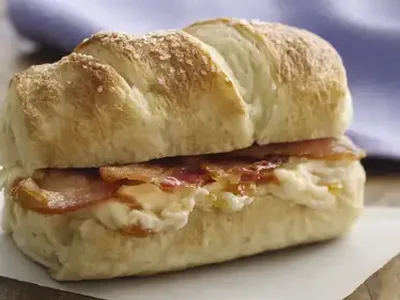
Bacon and Sweet Cream Cheese Bagel Rolls with Peach Preserves
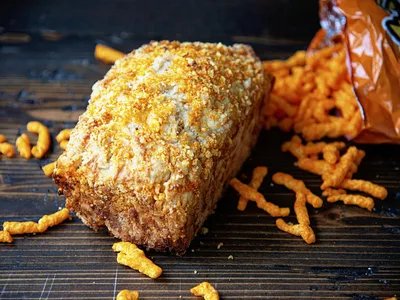
Cheetos Cheddar Beer Bread with Crunchy Topping

Everything Bagel Soft Pretzels with Mustard
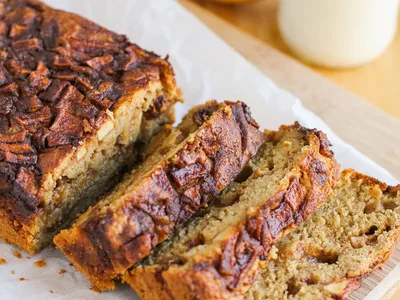
Gluten-Free Apple Cinnamon Bread with Greek Yogurt
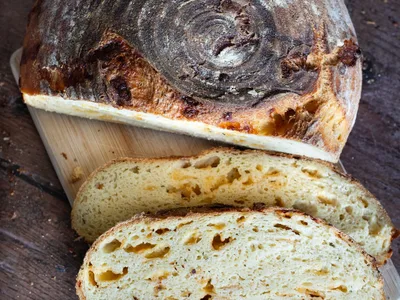
Gluten Free Cheddar Sourdough Bread