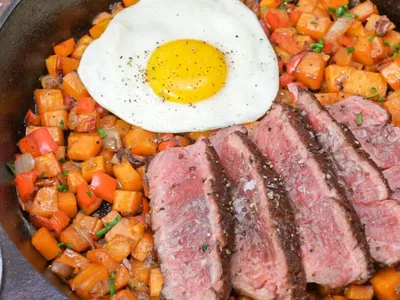
How to Fry Eggs
Frying eggs means cooking them in hot fat until the whites set and the yolk reaches your preferred doneness. The fat creates a crispy bottom while steam from the moisture in the egg cooks the top.
Why it matters
Frying gives you control over texture that poaching or scrambling can't match. You get crispy edges on the whites while keeping the yolk exactly how you want it. The hot fat also adds flavor. A fried egg turns simple rice or vegetables into a complete meal in under 5 minutes.
What you need
Steps
Heat 1 tablespoon butter in your skillet over medium heat for 2 minutes. The butter should foam and smell nutty but not brown. For oil, wait until it shimmers and moves freely across the pan.
Crack each egg into a small bowl first. This prevents shell pieces in your pan and lets you check for freshness. Fresh eggs have thick whites that stay together. Old eggs spread thin and watery.
Lower the bowl close to the pan surface and tip the egg in gently. The white should start setting immediately with tiny bubbles forming at the edges. Add remaining eggs with 2 inches between them.
Cook for 2-3 minutes without touching. Watch the whites turn from clear to opaque white, starting at the edges and moving toward the yolk. The bottom develops golden-brown lacy edges that smell toasted.
Check doneness by gently shaking the pan. Runny yolks jiggle like jello. Medium yolks move slightly. Hard yolks don't move at all. The whites should be completely opaque with no clear spots remaining.
Slide your spatula under each egg in one smooth motion, tilting the pan away from you. The egg should release easily. If it sticks, cook 30 seconds more. Plate immediately and season with salt and pepper.
Common Mistakes
Using high heat
What happens: Burns the bottom while leaving the top raw
Fix: Keep heat at medium or medium-low for even cooking
Moving the egg too early
What happens: Breaks the yolk and tears the whites
Fix: Wait until whites are 80% set before touching
Using cold eggs from the fridge
What happens: Temperature shock causes uneven cooking and tough whites
Fix: Let eggs sit at room temperature for 15 minutes before cooking
Overcrowding the pan
What happens: Eggs merge together and cook unevenly
Fix: Leave 2 inches between eggs or cook in batches
Troubleshooting
if the top stays runny while the bottom overcooks
Then: Add a teaspoon of water to the pan and cover with a lid for 30-45 seconds to steam the top
if the egg sticks to the pan
Then: Add more fat around the edges and reduce heat to medium-low, then wait 1 minute before trying again
if the yolk breaks while flipping
Then: Skip flipping entirely or use the basting method: tilt the pan and spoon hot fat over the whites
Related Techniques
FAQ
What's the best fat for frying eggs?
Butter adds the most flavor but burns above 350°F. Use 1 tablespoon butter for medium heat cooking. For higher heat or longer cooking, use neutral oils like grapeseed or avocado oil with smoke points above 400°F. Olive oil works but adds its own flavor. Bacon fat gives incredible taste if you have it.
How do I get crispy edges without overcooking the yolk?
Use medium-high heat at 375°F with 2 tablespoons of oil instead of 1. The extra oil pools around the edges and deep-fries them. Cook for exactly 2 minutes, then reduce heat to low and cook 1 more minute. The high initial heat crisps the edges while the lower heat gently finishes the yolk.
Can I fry eggs without oil?
Yes, but only in a quality nonstick pan heated to exactly 325°F. Crack eggs directly into the dry pan. They'll cook slower, taking 4-5 minutes instead of 3. The whites won't get crispy edges. The texture resembles poached eggs more than traditional fried eggs. Most people prefer using at least 1 teaspoon of fat.
Why do restaurant fried eggs taste better?
Restaurants use 3-4 tablespoons of clarified butter per egg, about triple what home cooks use. They also cook at higher heat, around 400°F, in carbon steel pans that distribute heat evenly. The eggs essentially shallow-fry rather than pan-fry. Some places baste continuously for 90 seconds, spooning hot fat over the whites.
Recipes Using This Technique
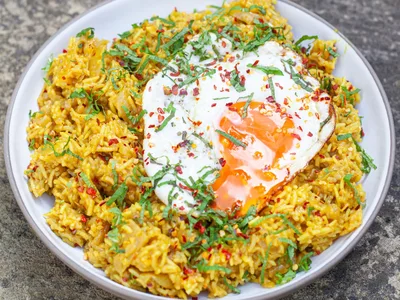
Butter Curried Basmati Rice with Fried Egg
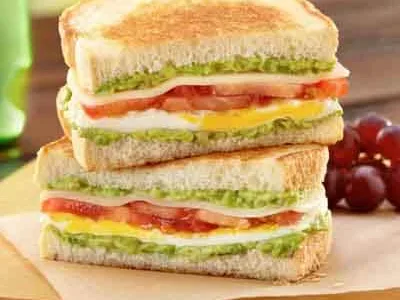
California-Style Fried Egg Sandwich
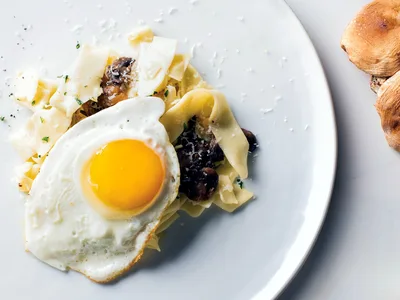
Caramelized Leek and Mushroom Egg Noodles with Fried Eggs
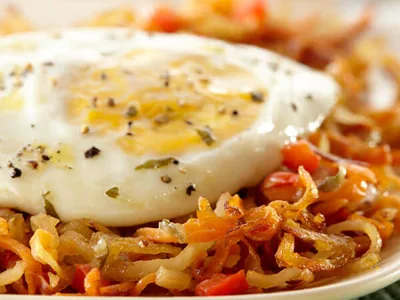
Crispy Sweet Potato Hash with Fried Eggs
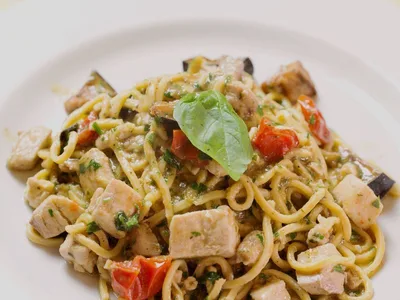
Pasta with Swordfish and Fried Eggplant