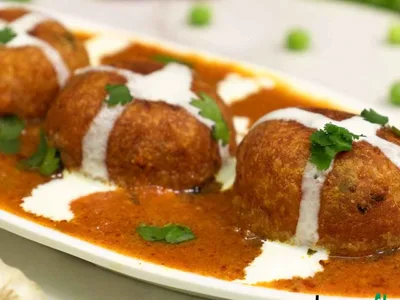
How to Scramble Eggs
Scrambling breaks whole eggs into soft, creamy curds through controlled heat and constant movement. The technique creates tender egg pieces that hold together loosely, unlike the firm sheets of an omelet or the runny yolks of fried eggs.
Why it matters
Proper scrambling produces eggs with a custard-like texture that stay moist even after sitting on the plate for 5 minutes. Bad scrambling makes rubbery chunks. The difference comes down to temperature control and timing. You get eggs that taste like eggs, not sulfur.
What you need
Steps
Crack eggs into a bowl and beat with a fork for 15 seconds until the yolks and whites combine into one yellow color. No streaks of white should remain. Add 1/4 teaspoon salt per 3 eggs. Skip the milk.
Heat your skillet over medium-low heat for 2 minutes. Add butter. When the butter foams and the foam subsides, your pan is ready at about 275F. The butter should not brown.
Pour in the eggs all at once. Let them sit undisturbed for 20 seconds until the bottom layer sets slightly. You'll see the edges turn opaque while the center stays liquid.
Push the eggs from one side of the pan to the other with your spatula, creating ribbons. Count to 3 between each push. The eggs will look like thick cream with soft lumps forming. Keep the heat at medium-low.
Continue folding the eggs gently every 3 seconds. Large, wet curds will form after about 90 seconds total cooking time. The eggs should still look slightly underdone and glossy on top.
Remove the pan from heat when the eggs are 80% set. They'll continue cooking for another 30 seconds from residual heat. The final texture should be creamy, like thick yogurt, not dry or crumbly.
Common Mistakes
Cooking over high heat
What happens: Eggs turn rubbery and weep liquid
Fix: Keep heat at medium-low, around 275F to 300F maximum
Adding milk or cream to raw eggs
What happens: Eggs become watery and separate on the plate
Fix: Use only eggs, salt, and butter for creamiest results
Stirring constantly from the start
What happens: Tiny, dry curds form instead of creamy ribbons
Fix: Let eggs set for 20 seconds before first stir
Cooking eggs until completely firm
What happens: Eggs continue cooking off heat and become dry
Fix: Remove from heat at 80% doneness while still glossy
Troubleshooting
Eggs stick to the pan
Then: Use more butter (1 tablespoon per 3 eggs) and ensure pan is properly heated before adding eggs
Brown spots appear on eggs
Then: Reduce heat immediately and stir more frequently, every 2 seconds instead of 3
Related Techniques
FAQ
Should I add milk to scrambled eggs?
Skip the milk. Professional chefs use only eggs, salt, and butter. Milk dilutes the egg proteins and creates watery scrambled eggs that separate on the plate after 2 minutes. For every 3 eggs, use 1 tablespoon butter instead. The fat in butter creates creamier eggs than milk ever could.
What's the best pan size for scrambling eggs?
Use an 8-inch skillet for 2-4 eggs or a 10-inch for 5-8 eggs. The egg layer should be about 1/2 inch deep when poured in. Too shallow and eggs cook too fast. Too deep and the bottom overcooks before the top sets. Nonstick works best, but well-seasoned cast iron at 275F also works.
How long do scrambled eggs take to cook?
Perfect scrambled eggs cook in 2-3 minutes total over medium-low heat. The first 20 seconds are hands-off while the bottom sets. Then stir every 3 seconds for 90-120 seconds until eggs are 80% set. They finish cooking off heat in the final 30 seconds.
Can I make scrambled eggs ahead of time?
Scrambled eggs taste best within 5 minutes of cooking. For make-ahead service, undercook eggs to 70% doneness, spread on a sheet pan, and refrigerate. Reheat gently in a 275F oven for 5-8 minutes. Add fresh butter when reheating to restore creaminess.
Recipes Using This Technique
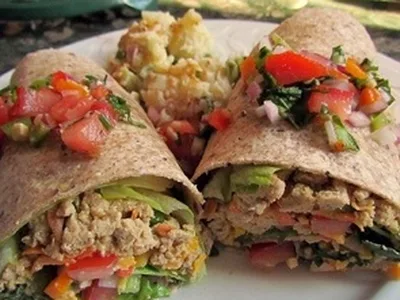
Asian Ground Chicken Tortilla Wraps
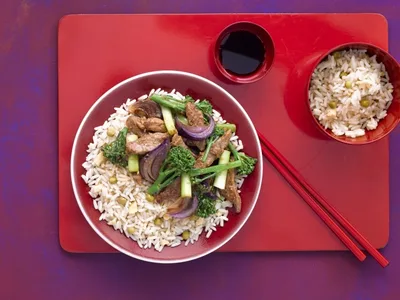
Char Siu Pork Fried Rice with Broccoli
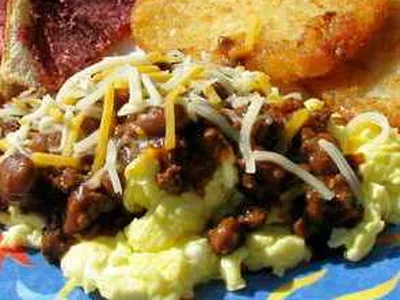
Chili-Cheese Scramble with Beef and Beans
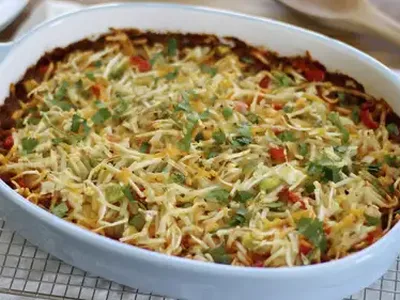
Hash Brown Enchilada Breakfast Casserole with Chorizo
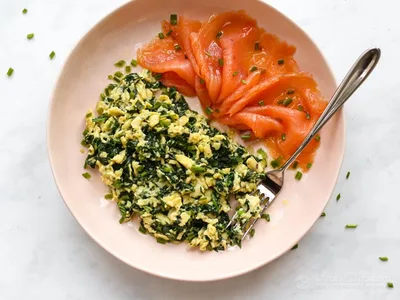
Low-Carb Green Eggs with Smoked Salmon