How to Make a Sourdough Starter
A sourdough starter is a living culture of flour and water that captures wild yeast and bacteria from the environment. Feed it regularly and it becomes the leavening agent for bread, replacing commercial yeast.
Why it matters
Wild yeast creates complex flavors commercial yeast can't match. The fermentation process breaks down gluten proteins, making bread easier to digest. A healthy starter lasts forever if you maintain it. You control fermentation speed by adjusting feeding ratios and temperature.
What you need
Steps
Mix 50 grams flour with 50 grams water in your jar. Stir until no dry flour remains. The mixture looks like thick pancake batter. Cover loosely and let sit at 70-75F for 24 hours.
Add another 50 grams flour and 50 grams water to the jar. Stir well. You might see tiny bubbles forming around the edges after 12 hours. The mixture smells slightly sour, like yogurt. Wait another 24 hours.
Discard half the starter (about 100 grams). Add 50 grams flour and 50 grams water to what remains. Stir thoroughly. Mark the jar's side with a rubber band at the mixture's current level. This tracks growth.
Continue discarding half and feeding 50 grams flour plus 50 grams water every 24 hours. By day 5, the starter should double in size within 4-8 hours after feeding. It smells pleasantly sour and yeasty, like beer.
Test readiness with the float test. Drop a spoonful of fed starter into a glass of water. Ready starter floats. Sinking starter needs more time. Most starters pass this test between days 7-10.
Feed mature starter twice daily if kept at room temperature (70-75F). Once-daily feeding works at 65F. For weekly feeding, store in the refrigerator after a fresh feeding. Always bring to room temperature and feed before using.
Common Mistakes
Using chlorinated tap water
What happens: Chlorine kills wild yeast, preventing fermentation
Fix: Let tap water sit uncovered 24 hours or use filtered water
Sealing the jar tightly
What happens: Gas buildup can crack glass or create mold from lack of airflow
Fix: Use cheesecloth, loose lid, or jar with airlock
Skipping the discard step
What happens: Acid buildup creates hostile environment for yeast
Fix: Always remove half before feeding to maintain proper pH balance
Feeding with bleached flour
What happens: Bleaching removes natural yeast and bacteria
Fix: Use unbleached all-purpose or bread flour
Keeping starter too cold
What happens: Fermentation slows below 65F, starter becomes sluggish
Fix: Maintain 70-75F during establishment phase
Troubleshooting
Liquid layer forms on top
Then: Stir in the hooch (alcohol byproduct) or pour it off, then resume regular feeding schedule
Mold appears (fuzzy, colored growth)
Then: Discard entire starter and begin fresh. Mold means contamination beyond saving
Starter smells like nail polish remover
Then: Feed twice daily for 2-3 days. Strong acetone smell indicates extreme hunger
Related Techniques
FAQ
Can I speed up the process?
Add 1 tablespoon fresh pineapple juice on day 1 instead of water. The acidity (pH 3.5) prevents bad bacteria while encouraging yeast growth. Switch to water after day 3. Whole wheat flour also accelerates fermentation because it contains more wild yeast than white flour. Mix 25 grams whole wheat with 25 grams all-purpose for faster results.
How much discard do I need to save?
Keep at least 50 grams of starter before each feeding. This 1:1:1 ratio (starter:flour:water) maintains consistent fermentation. Some bakers prefer 1:5:5 ratio for more vigorous activity. Discard makes great pancakes, waffles, or crackers. Store discard in a separate container in the fridge up to 1 week.
What if I forget to feed it?
Refrigerated starter survives 2-3 weeks without feeding. Room temperature starter dies after 3-4 days. Revive neglected starter with 2-3 feedings at 12-hour intervals. If it shows no bubbles after 48 hours of regular feeding, start fresh. Dried backup starter lasts 6 months in the freezer.
Why does my starter smell like vomit?
Butyric acid creates that smell when wrong bacteria dominate. This happens below 65F or with contaminated flour. Increase temperature to 75-80F and feed every 12 hours for 3 days. The smell should shift to pleasant sourness. If not, discard and restart with fresh flour.
Recipes Using This Technique
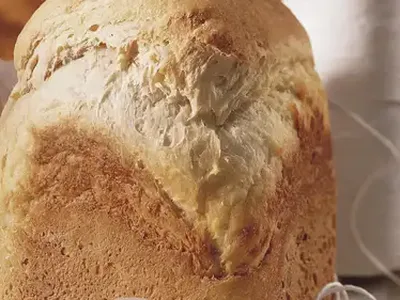
Bread Machine Crusty Sourdough with Week-Old Starter
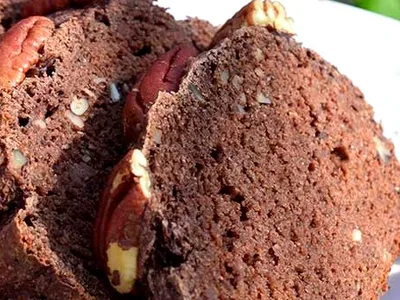
Vegan Chocolate Pecan Banana Bread with Sourdough
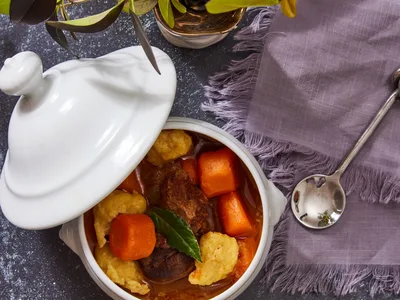
Hungarian Goulash with Sourdough Nokerlach Dumplings
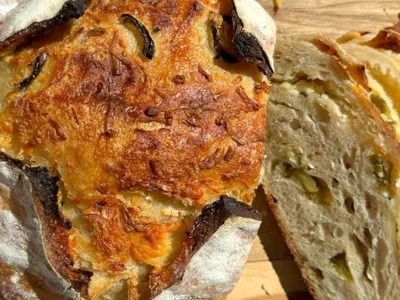
Jalapeño Cheddar Sourdough Bread
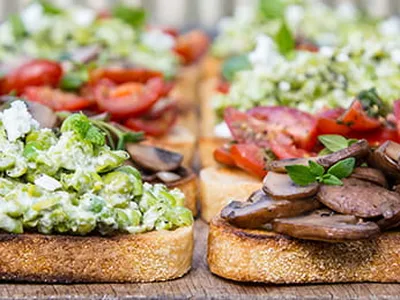
Bruschetta 3 Ways: Tomato, Mushroom, Pea & Feta