How to Make Salsa
Making salsa means chopping fresh vegetables and herbs into small pieces, then mixing them with acid and salt. The technique creates a chunky sauce that balances heat, acidity, and fresh flavors.
Why it matters
Fresh salsa beats jarred versions because you control the heat level and texture. The vegetables stay crisp. The flavors taste bright. Store-bought salsa often contains preservatives and tastes cooked, while fresh salsa keeps its raw vegetable crunch for up to 5 days.
What you need
Steps
Core 6 medium tomatoes and cut them in half. Squeeze out excess liquid and seeds over the sink. Dice into 1/4-inch pieces. You want chunks small enough to fit on a chip but large enough to see individual pieces.
Peel and dice 1 medium white onion into 1/8-inch pieces, smaller than the tomatoes. Rinse the diced onion under cold water for 30 seconds to remove the sharp bite. Shake dry in a fine mesh strainer.
Remove stems and seeds from 2 jalapeño peppers. Scrape out the white membrane for less heat. Mince the peppers into pieces smaller than rice grains. Your eyes might water slightly from the capsaicin releasing into the air.
Strip cilantro leaves from 1 bunch, discarding thick stems. Chop the leaves until they look like green confetti, about 1/3 cup total. The herbs should smell grassy and citrusy when properly chopped.
Peel and mince 3 garlic cloves. Press the flat side of your knife on each clove first to crush it. The garlic should form a paste when chopped fine enough, releasing its oils and becoming sticky.
Combine all ingredients in the mixing bowl. Add 2 tablespoons fresh lime juice, 1 teaspoon kosher salt, and 1/2 teaspoon ground cumin. Stir gently 10-12 times until evenly mixed but not mushy.
Let the salsa rest at room temperature for 30 minutes. The salt draws out tomato juices, creating a thin liquid at the bottom of the bowl. Taste and add more salt or lime juice. The flavors should taste balanced, not bland.
Common Mistakes
Using winter tomatoes
What happens: Salsa tastes bland and watery with no tomato flavor
Fix: Buy Roma tomatoes year-round or use cherry tomatoes in winter, which keep more flavor
Chopping everything the same size
What happens: Salsa lacks texture contrast and becomes monotonous
Fix: Cut tomatoes largest at 1/4-inch, onions at 1/8-inch, jalapeños finest
Over-stirring after combining
What happens: Tomatoes break down into mush and release too much water
Fix: Fold ingredients together maximum 15 times, then stop
Adding ingredients while chopping
What happens: Early ingredients sit in salt and turn mushy while you finish chopping
Fix: Prep all vegetables first, then combine everything at once
Troubleshooting
if salsa tastes flat after resting
Then: Add 1 tablespoon more lime juice and 1/2 teaspoon salt, wait 10 minutes, taste again
if salsa is too watery
Then: Drain in a fine mesh strainer for 5 minutes, save the liquid for cooking rice or beans
if salsa burns your mouth
Then: Stir in 1/4 cup diced cucumber or 2 tablespoons sour cream to dilute the heat
Related Techniques
FAQ
Can I make salsa in a food processor?
Yes, but pulse only 5-6 times. Each pulse should last 1 second. Hand-chopped salsa has better texture because the vegetables stay distinct. Food processors turn salsa into soup if you run them more than 10 seconds total. If using a processor, add the tomatoes last and pulse just 2-3 times to keep them chunky.
How long does homemade salsa last?
Fresh salsa keeps 5-7 days in the refrigerator in an airtight container. After day 3, the vegetables soften and release more liquid. You can drain this liquid and use the thicker salsa for cooking. Freeze salsa up to 3 months, but expect mushier texture when thawed. Add fresh cilantro after thawing to brighten the flavor.
What tomatoes work best for salsa?
Roma tomatoes contain less water and more flesh than slicing tomatoes, making them ideal year-round. In summer, use any ripe tomato from the farmers market. Cherry tomatoes work well in winter since they ripen better than large tomatoes. Whatever you choose, the tomato should smell sweet at the stem end and feel heavy for its size. Avoid tomatoes that feel soft or have dark spots.
How do I control the spice level?
Start with 1 jalapeño for mild salsa, 2 for medium, 3-4 for hot. Remove all seeds and white membranes to cut heat by 80%. Serrano peppers pack 3 times more heat than jalapeños. Taste a tiny piece of each pepper before adding, since heat varies. You can always add more minced pepper, but you cannot remove it once mixed.
Recipes Using This Technique
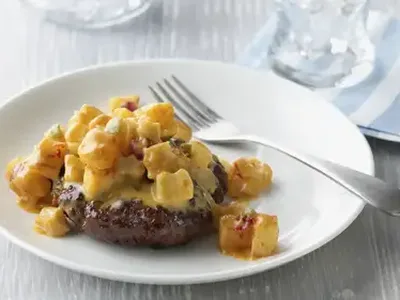
Grilled Taco Burger and Potato Foil Packs
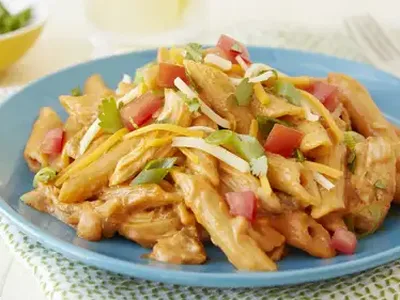
One-Pot Green Chile Chicken Pasta with Salsa Verde

Salsa Chicken Fiesta Bake with Bisquick Crust
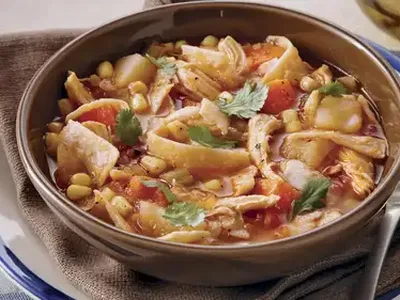
Slow-Cooker Spicy Chicken Stew with Corn and Potatoes
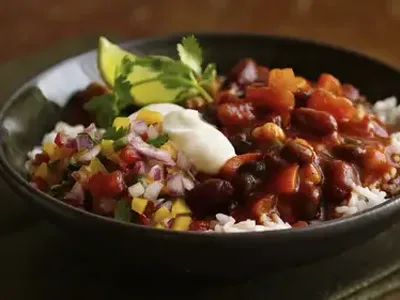
Three-Bean Chili with Garlic Rice and Fresh Pepper Salsa