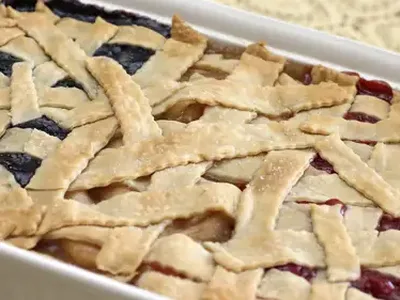
How to Make Pie Crust
Pie crust is a pastry shell made from flour, fat, and water. It forms the base and sometimes top of sweet and savory pies.
Why it matters
Homemade crust tastes better than store-bought. The butter creates flaky layers you can't get from shortening crusts. You control the thickness and salt level. Fresh crust browns better and holds fillings without getting soggy for 2-3 days.
What you need
Steps
Cut 1 cup cold butter into 1/2-inch cubes. Place in freezer for 15 minutes. Mix 2 1/2 cups flour with 1 teaspoon salt and 1 tablespoon sugar in large bowl. The butter should feel rock-hard when ready.
Add frozen butter cubes to flour mixture. Cut butter into flour using pastry cutter, pressing straight down and twisting slightly, for 3-4 minutes until mixture looks like coarse breadcrumbs with some pea-sized butter pieces visible.
Sprinkle 6 tablespoons ice water over mixture. Toss with fork until dough starts clumping. Add 1-2 more tablespoons water if needed. Dough should hold together when squeezed but not feel wet or sticky.
Dump mixture onto clean counter. Use heel of hand to smear dough forward in 6-inch strokes. This creates butter layers. Gather dough into ball, divide in half, and flatten each into 5-inch disk.
Wrap each disk tightly in plastic. Refrigerate at least 2 hours or up to 3 days. Dough should feel firm like cold clay when ready to roll.
Remove one disk from fridge 10 minutes before rolling. Flour counter and rolling pin. Roll from center outward, rotating dough quarter-turn after each roll, until circle measures 12 inches across and 1/8-inch thick.
Transfer dough to 9-inch pie plate by rolling it loosely around rolling pin. Unroll over plate. Press gently into corners without stretching. Trim overhang to 1 inch. Fold edge under and crimp with fingers or fork.
Common Mistakes
Using warm butter
What happens: Butter melts into flour creating tough, greasy crust
Fix: Keep butter refrigerated until last second, freeze cubes 15 minutes before using
Overworking the dough
What happens: Gluten develops making crust tough and shrink during baking
Fix: Mix just until dough holds together, handle as little as possible
Adding too much water
What happens: Sticky dough that's hard to roll and bakes up tough
Fix: Add water 1 tablespoon at a time, stop when dough barely holds together
Skipping the chill time
What happens: Dough tears when rolling, shrinks in oven, butter melts too fast
Fix: Always refrigerate at least 2 hours, overnight is even better
Troubleshooting
Dough cracks when rolling
Then: Let sit at room temperature 5-10 more minutes, press cracks together with fingers dipped in water
Crust shrinks during blind baking
Then: Dock bottom with fork, use pie weights or dry beans, chill formed crust 30 minutes before baking
Bottom crust gets soggy
Then: Brush with beaten egg white and prebake 5 minutes at 425°F before adding filling
Related Techniques
FAQ
Can I use a food processor instead of a pastry cutter?
Yes, but be careful. Pulse flour and butter 15-20 times in 1-second bursts. Stop when mixture looks like coarse meal with visible butter pieces about 1/4-inch across. The blade works faster than hand cutting, so check every 5 pulses. Overprocessing happens in seconds and ruins the texture.
How long does homemade pie dough last?
Wrapped dough keeps 3 days in the fridge or 3 months in the freezer. Write the date on the plastic wrap. Thaw frozen dough overnight in the refrigerator before using. The dough actually improves after resting 24 hours because the flour fully hydrates. Never refreeze thawed dough.
What's the difference between using butter vs shortening?
Butter contains 15-20% water which creates steam and flaky layers. Shortening is 100% fat so crusts stay tender but lack flavor and flakiness. For best results, use 3/4 cup butter plus 1/4 cup shortening. This gives you flavor plus easier handling. All-butter crusts taste best but require more skill.
Why does my crust always burn around the edges?
Cover crust edges with 2-inch strips of aluminum foil after 25-30 minutes of baking. The thin edges cook faster than the thick bottom. Start checking at 20 minutes for browning. Most pies need edge protection for the last 15-20 minutes of baking time. You can buy silicone edge shields that work better than foil.
Recipes Using This Technique
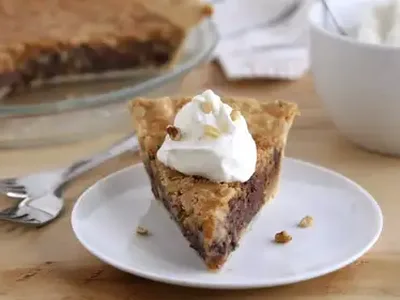
Classic Chocolate-Walnut Pie with Buttery Crust
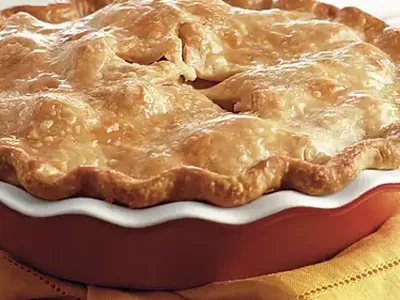
Honey Roasted Golden Delicious Apple Pie with Flaky Crust
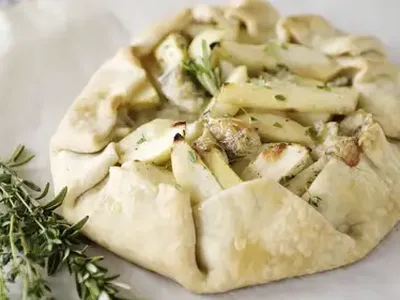
Rustic Pear and Blue Cheese Tart with Honey and Fresh Herbs
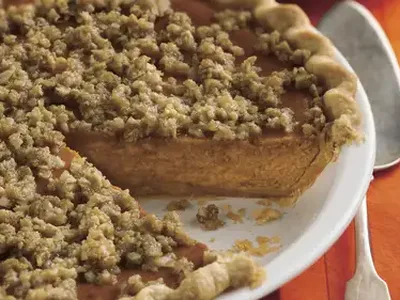
Streusel-Topped Pumpkin Pie with Cinnamon Oat Crumble

Supreme Pizza Sausage Pie Pockets with Pillsbury Crust