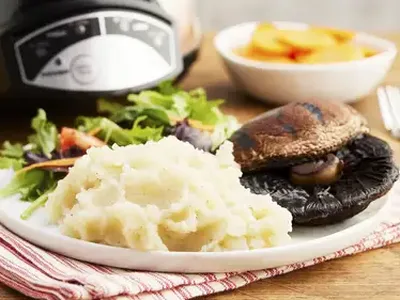
How to Make Mashed Potatoes
Mashing potatoes turns cooked potatoes into a smooth, creamy side dish by breaking down their cell walls and incorporating fat and liquid. The technique creates a fluffy texture that absorbs flavors and pairs with almost any protein.
Why it matters
Properly mashed potatoes have a light, airy texture impossible to achieve with other methods. The process releases starch molecules that bind with butter and cream, creating a cohesive mixture instead of chunks. Temperature control prevents gluey potatoes. Timing determines whether you get fluffy clouds or dense paste.
What you need
Steps
Peel 2 pounds of russet or Yukon gold potatoes and cut into 1-inch chunks. Drop pieces into cold water immediately to prevent browning. Uniform size ensures even cooking in 15-20 minutes.
Place potatoes in pot with 1 tablespoon kosher salt and cover with cold water by 2 inches. Starting in cold water cooks potatoes evenly from outside to center. Bring to boil over high heat, then reduce to gentle simmer where bubbles break surface every 2-3 seconds.
Cook 15-20 minutes until knife slides through potato chunk with zero resistance. Test largest piece first. Overcooked potatoes fall apart and absorb too much water, making final dish watery.
Heat 1/2 cup whole milk and 4 tablespoons butter in measuring cup for 60 seconds in microwave until butter melts. Hot dairy incorporates better than cold. Set aside.
Drain potatoes in colander and let steam escape for 30 seconds. Return to empty pot. Steam should stop rising within 45 seconds as excess moisture evaporates.
Mash potatoes with masher using up-and-down motion, working systematically across pot. Stop when no chunks larger than a pea remain. Overmashing activates gluten and creates gummy texture.
Pour hot milk mixture over potatoes while stirring gently with rubber spatula. Fold mixture 10-12 times until liquid absorbs completely. Potatoes should hold their shape when spooned but flow slightly. Add salt and pepper to taste.
Common Mistakes
Using cold butter and milk
What happens: Temperature drop makes potatoes dense and prevents proper absorption
Fix: Always heat dairy to 140F before adding
Mashing potatoes in food processor or blender
What happens: Blades break starch molecules creating glue-like paste
Fix: Use manual masher or ricer only
Boiling potatoes too hard
What happens: Violent bubbling breaks potatoes apart and waterloggs them
Fix: Maintain gentle simmer at 195F after initial boil
Not draining thoroughly
What happens: Extra water dilutes flavor and creates soupy texture
Fix: Let potatoes steam dry 30-60 seconds after draining
Troubleshooting
if potatoes taste bland despite adding salt
Then: do Y to fix it
if mashed potatoes turn gray or purple
Then: do Y to fix it
Related Techniques
FAQ
Can I make mashed potatoes ahead?
Yes, up to 2 hours ahead. Keep warm in 200F oven in covered dish with extra pat of butter on top to prevent drying. Stir once before serving. For longer storage, refrigerate up to 3 days and reheat with 2 tablespoons milk per cup of potatoes over low heat, stirring every 30 seconds.
Why do recipes call for russets or Yukon golds specifically?
Russets contain 22% starch and minimal moisture, creating fluffy texture when mashed. Yukon golds have 15% starch plus natural buttery flavor and golden color. Red potatoes and fingerlings contain only 12% starch and stay waxy even when mashed, never achieving proper fluffiness. Starch content determines final texture more than any other factor.
How much butter and milk should I use?
Start with 2 tablespoons butter and 1/4 cup milk per pound of potatoes. This 1:8 ratio creates standard consistency. For richer potatoes, increase to 4 tablespoons butter per pound. Heavy cream substitutes 1:1 for milk but adds 36% fat compared to whole milk's 3.5%. Never exceed 1/2 cup liquid per pound or potatoes turn soupy.
What's the difference between a masher and ricer?
Mashers cost $8-15 and create texture ranging from lumpy to mostly smooth depending on effort. Ricers cost $25-40 and force potatoes through small holes, producing consistently smooth results every time. Ricers remove lumps completely but require 50% more effort and extra cleaning time.
Recipes Using This Technique
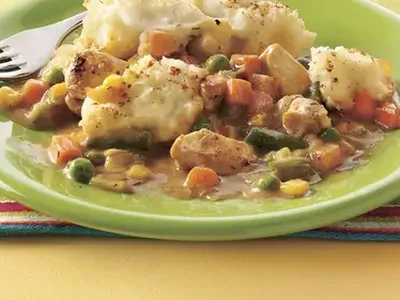
Chicken Dijon Shepherd's Pie with Instant Mashed Potatoes
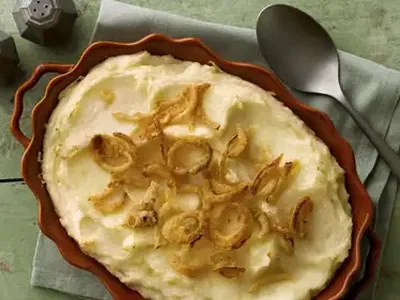
Do-Ahead Garlic Mashed Potatoes with Make-Ahead Convenience
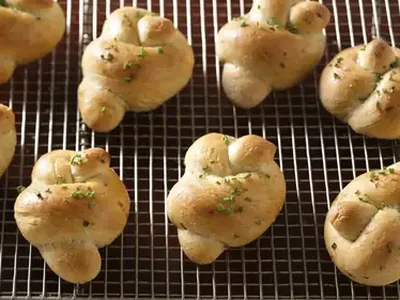
Garlic Chive Mashed Potato Knot Rolls
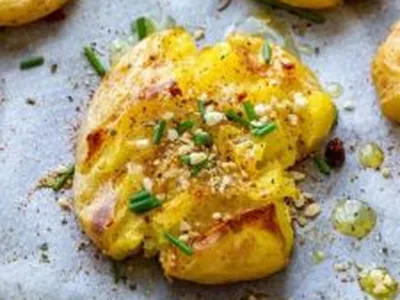
Pioneer Woman Loaded Smashed Potatoes with Bacon and Cheese
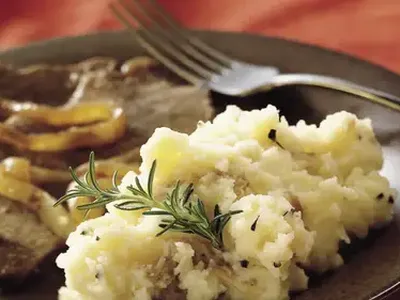
Rosemary-Parmesan Yukon Gold Mashed Potatoes