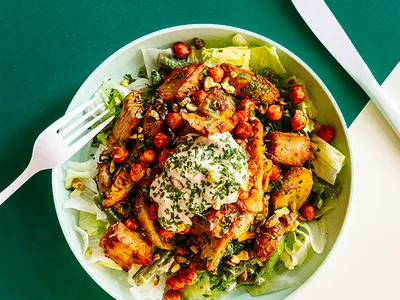
How to Proof Yeast
Proofing yeast means testing if your yeast is alive before you waste flour on dead fungus. You mix yeast with warm liquid and sugar, then wait 5-10 minutes to see foam.
Why it matters
Dead yeast means flat bread. No rise. Proofing takes 10 minutes but saves 3 hours of waiting for dough that won't budge. Active dry yeast expires faster than instant yeast, so proofing catches old packets before they ruin your bake.
What you need
Steps
Heat 1/4 cup water to 105-115°F. Use your thermometer. Too hot kills yeast at 140°F. Too cold and nothing happens. The water should feel like a warm bath on your wrist, not hot tea.
Pour the warm water into your measuring cup or small bowl. Add 1 teaspoon sugar. Stir once with a spoon until sugar dissolves, about 3 seconds.
Sprinkle 2 1/4 teaspoons yeast over the water surface. Don't stir. Don't dump it in a pile. Spread it evenly so every granule touches water.
Wait 30 seconds. Stir gently with a fork for 2-3 seconds. You want to wet all the yeast without beating air out. The mixture looks like beige mud at this point.
Set your timer for 10 minutes. Leave the cup alone. Don't stir, don't move it, don't check every minute.
Check at 5 minutes. Good yeast shows tiny bubbles forming on top. By 10 minutes, you see a foamy cap that's doubled in size, smells like beer, and has bubbles throughout. Dead yeast stays flat with maybe one sad bubble.
Common Mistakes
Using tap water straight from the hot faucet
What happens: Water comes out at 120-140°F and murders your yeast instantly
Fix: Mix hot and cold water, then check with a thermometer until it hits 105-115°F
Stirring yeast vigorously like hot chocolate
What happens: Breaking up yeast clusters prevents proper activation and foam formation
Fix: Stir once gently after 30 seconds of soaking, then leave it alone
Using old yeast from the back of the pantry
What happens: Expired yeast won't foam even in perfect conditions
Fix: Check expiration dates and store unopened yeast in the freezer for up to 2 years
Proofing instant yeast when the recipe calls for it
What happens: Instant yeast activates faster in dough and loses power when pre-soaked
Fix: Only proof active dry yeast or if you suspect your instant yeast is dead
Troubleshooting
Foam forms but only rises 1/4 inch after 10 minutes
Then: Your yeast is weak but not dead. Use 50% more yeast in your recipe or expect longer rise times
Yeast smells bad like sulfur or rotten eggs
Then: Throw it out. Fresh yeast smells like bread or beer. Bad smells mean contamination
Related Techniques
FAQ
Can I proof yeast in milk instead of water?
Yes, but heat milk to 105-115°F first. Milk takes longer to show foam, about 12-15 minutes instead of 10. The fat coats yeast cells and slows activation. Cold milk straight from the fridge at 38°F won't work. Always add 1 teaspoon sugar to milk since lactose doesn't feed yeast as quickly as granulated sugar.
Why does my recipe say to proof yeast in the flour well?
Some recipes skip separate proofing to save dishes. You make a crater in 3 cups flour, pour in your 105°F liquid with yeast, and wait 5 minutes for bubbles before mixing. This works for fresh yeast but risks wasting flour if your yeast is dead. I proof separately first when trying new yeast brands.
What's the difference between active dry and instant yeast?
Active dry yeast has larger granules that need proofing in 105-115°F water. Instant yeast has finer particles that mix straight into flour. Active dry takes 2 rises of 60-90 minutes each. Instant yeast cuts first rise to 10 minutes. Store both in the freezer after opening. Active dry lasts 4 months in the pantry versus instant's 12 months.
Can I save proofed yeast if I'm not ready to bake?
No. Use proofed yeast within 30 minutes or it exhausts its food supply and dies. The foam collapses after 20 minutes at room temperature. If your phone rings mid-recipe, add the foamy yeast to your flour immediately and refrigerate the mixed dough for up to 24 hours.
Recipes Using This Technique
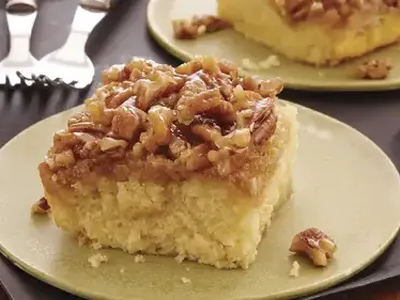
Classic Pecan Upside-Down Cake with Caramel Topping
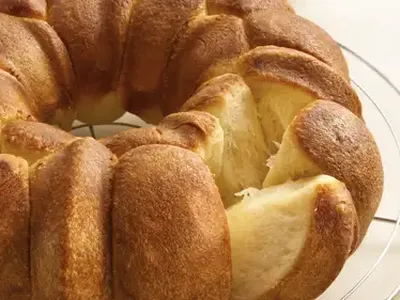
Fluffy Pull-Apart Butter Bread Rolls in Bundt Pan
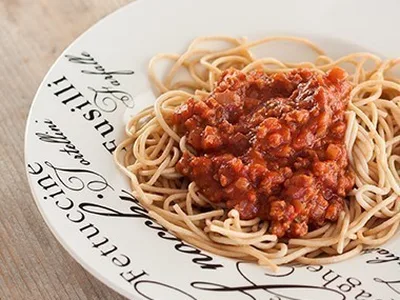
Vegan Spaghetti Bolognese with Lentils
Sweet and Spicy Glazed Ham with Maple and Warm Spices

Sweet Salty Toffee Chex Mix with Caramel Coating