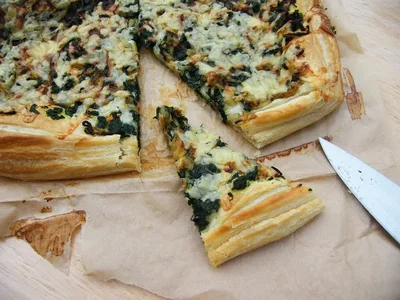
How to Score Bread Dough
Scoring means cutting shallow slashes into bread dough right before baking. These cuts control where the bread expands during baking and create decorative patterns on the crust.
Why it matters
Unscored bread tears randomly as steam escapes during baking. Scoring directs that expansion to specific spots. You get consistent shape, better oven spring, and crispy edges where the cuts open up. Professional-looking loaves start with proper scoring.
What you need
Steps
Remove proofed dough from banneton 5 minutes before baking. Place it seam-side down on parchment paper. The dough should spring back slowly when you poke it with your finger, leaving a shallow indent that fills halfway in 3 seconds.
Hold your lame at 30 to 45 degrees to the dough surface. Too vertical and you'll drag. Too horizontal and you won't cut deep enough. Practice the angle on a piece of cardboard first if needed.
Make your first cut in one swift motion, 1/4 to 1/2 inch deep. Listen for a soft tearing sound as the blade moves through the dough. The cut should open slightly, revealing the lighter interior dough beneath the dried outer skin.
Complete your pattern without hesitation. Single slash for baguettes. Cross pattern for round loaves. Each cut takes under 2 seconds. The blade should glide through without catching or dragging visible chunks of dough.
Spray scored areas lightly with water from 8 inches away. Three quick sprays maximum. You'll see the cuts glisten but no water should pool. This helps the scores open wider during baking.
Transfer to your preheated 475F Dutch oven within 30 seconds of scoring. The dough starts healing its cuts immediately. Bake covered for 20 minutes, then uncovered until the opened scores turn deep brown with crispy edges.
Common Mistakes
Scoring too early before baking
What happens: Cuts seal themselves shut during final proof
Fix: Score within 60 seconds of putting bread in oven
Using a dull knife instead of razor
What happens: Blade drags and tears instead of cutting cleanly
Fix: Buy a lame or use fresh single-edge razor blades
Cutting too deep into the dough
What happens: Bread deflates and loses structure
Fix: Keep cuts between 1/4 and 1/2 inch deep
Moving blade too slowly
What happens: Dough sticks to blade and tears raggedly
Fix: One confident motion per cut, under 2 seconds
Troubleshooting
Scores won't open during baking
Then: Increase oven steam by adding ice cubes to Dutch oven or spraying oven walls with water
Blade keeps catching on dough
Then: Dust surface with rice flour or wet the blade between cuts
Related Techniques
FAQ
Can I score with kitchen scissors instead?
Scissors work for small snips on soft doughs like focaccia. For firm bread dough, scissors compress more than cut. A razor blade costs $0.50 and makes cuts 10 times cleaner. The opened score on a properly cut loaf rises 1 to 2 inches during baking. Scissors rarely achieve more than 1/2 inch of opening.
How deep should I score sourdough versus regular bread?
Sourdough needs deeper cuts at 1/2 to 3/4 inch because the dense crumb resists expansion. Regular yeasted bread scores best at 1/4 to 1/2 inch deep. Test your depth on the side of the loaf first. The perfect cut reveals contrasting dough color immediately. Too shallow shows no color change. Too deep and the sides of the cut collapse inward.
Why do my scores heal shut before the bread bakes?
Two reasons. First, you scored too early. Maximum wait time is 60 seconds between scoring and oven. Second, your dough might be overproofed. Properly proofed dough holds its shape for 2 to 3 minutes after scoring. Overproofed dough starts healing cuts within 30 seconds.
What angle works best for different bread shapes?
Baguettes need nearly horizontal cuts at 20 to 30 degrees for maximum ear development. Round boules score best at 45 degrees for even opening. Batards split the difference at 35 degrees. Measure your angle against the dough surface, not the counter. Each 10-degree change affects how much the score opens by roughly 25 percent.
Recipes Using This Technique
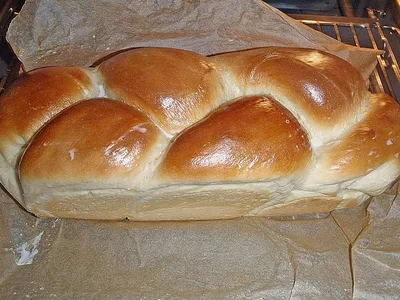
Butter Stuten: Classic German Yeast Bread

Grilled Flank Steak with Rosemary-Balsamic Glaze
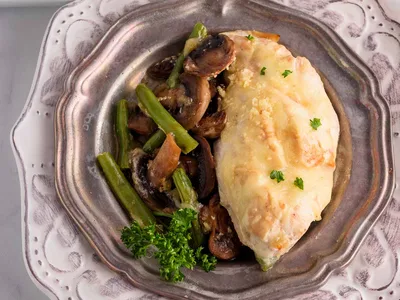
Keto Cheesy Chicken Mushroom Green Bean Bake
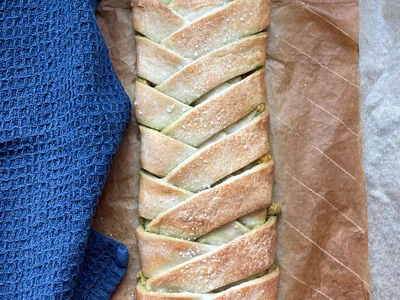
Pesto Cheddar Salami Pizza Snack

Roasted Eggplants with Feta and Tomato Sauce