How to Season a Cast Iron Skillet
Seasoning builds a protective coating on cast iron by heating thin layers of oil until they polymerize into a hard, black surface. This coating prevents rust and creates a naturally nonstick finish that improves with use.
Why it matters
A properly seasoned skillet releases food easily and lasts for generations. The coating bonds at a molecular level, creating a surface that outperforms chemical nonstick pans at high heat. Unlike Teflon, this coating improves with age. You can sear a steak at 500F without damage.
What you need
Steps
Strip the skillet completely if it has rust or flaking seasoning. Scrub with steel wool and hot water until you see raw gray metal. New skillets need washing with soap to remove factory coating. Dry immediately with a towel, then heat on the stove for 2 minutes to evaporate hidden moisture.
Place aluminum foil on the bottom oven rack. Preheat to 450F. The high temperature opens the iron's pores.
Pour 1 teaspoon of oil into the warm skillet. Spread with a paper towel across all surfaces, including the handle and bottom. Keep wiping until the skillet looks dry. Too much oil creates sticky spots.
Place the skillet upside down on the middle oven rack. Bake for 1 hour. The oil will smoke heavily for the first 15 minutes as it turns into polymer. Your kitchen will smell like hot metal and burnt oil.
Turn off the oven. Let the skillet cool inside for 2 hours. The surface should look darker and feel smooth like glass, not tacky.
Repeat steps 3-5 at least 3 more times. Each layer adds protection. After 4 coats, the skillet should have a semi-glossy black finish that water beads on.
Common Mistakes
Using too much oil
What happens: Creates sticky, gummy patches that never harden
Fix: Wipe the skillet until it looks completely dry before baking
Seasoning at temperatures below 400F
What happens: Oil doesn't polymerize and remains soft
Fix: Use 450-500F to ensure complete change
Using olive oil or butter
What happens: Low smoke points create rancid seasoning that flakes off
Fix: Choose oils with smoke points above 400F like flaxseed or grapeseed
Rushing between coats
What happens: Layers don't bond properly and peel off during cooking
Fix: Cool completely between each application
Troubleshooting
Seasoning flakes off in black specks
Then: Strip everything with steel wool and start over with thinner oil layers
Food still sticks after seasoning
Then: Add 2-3 more thin coats and cook fatty foods like bacon for the first few uses
Skillet has sticky spots that won't dry
Then: Scrub spots with kosher salt, re-season that area with less oil at 500F for 1 hour
Related Techniques
FAQ
How often should I re-season my skillet?
A full re-seasoning needs doing every 2-3 years with regular use. You'll know it's time when food starts sticking or you see dull gray patches. Daily cooking adds micro-layers of seasoning naturally. Acidic foods like tomatoes strip seasoning faster, so heavy tomato sauce users might need annual touch-ups. The initial 4-6 coats last longest.
Can I use soap on seasoned cast iron?
Modern dish soap won't harm polymerized seasoning. The old advice came from when soap contained lye, which strips seasoning in seconds. Today's soaps clean at pH levels around 7-8, too weak to break polymer bonds. Use a drop of Dawn and hot water. Scrub for 30 seconds maximum. Dry immediately and add a thin oil coat.
What's the best oil for seasoning?
Flaxseed oil creates the hardest finish but costs $15 per bottle and smells terrible while curing. Grapeseed oil at $8 per bottle gives 90% of flaxseed's durability with less smell. Crisco shortening works well at $4 per container. Avoid olive oil, coconut oil, and butter. Their smoke points below 400F create soft seasoning that flakes.
Why is my seasoning bronze instead of black?
Bronze or brown coloring means you need 2-3 more coats. Black develops after 5-6 thin layers minimum. Each 450F cycle darkens the finish slightly. Some oils like avocado create lighter seasoning even after 8 coats. The color matters less than the smooth, nonstick texture. Keep adding layers until water beads into perfect spheres.
Recipes Using This Technique
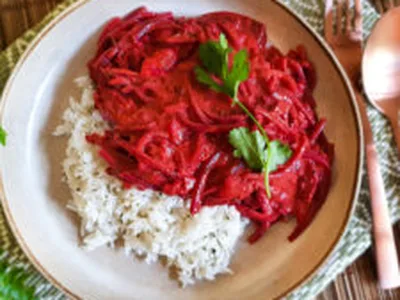
Vegan Red Beet Curry with Coconut Milk
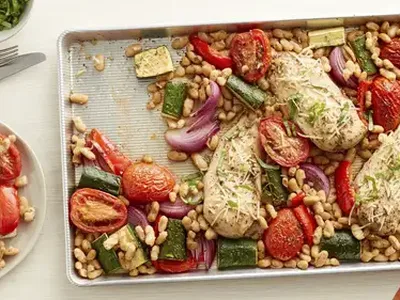
Sheet-Pan Tuscan Chicken with Roasted Vegetables and Beans
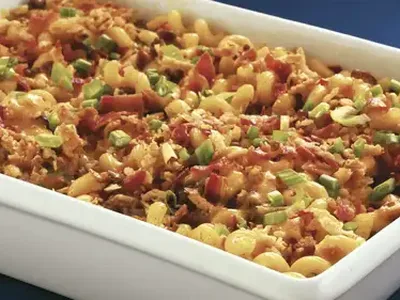
Texas Chili Pasta Bake with Ground Beef and Cheddar

Upside-Down Meatball Casserole with Biscuit Topping
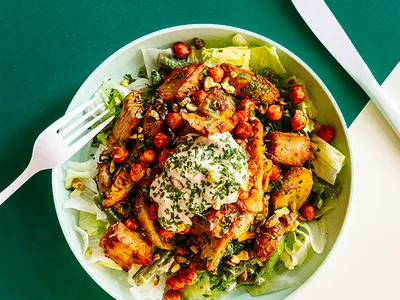
Vegan Caesar Salad with Crispy Potatoes