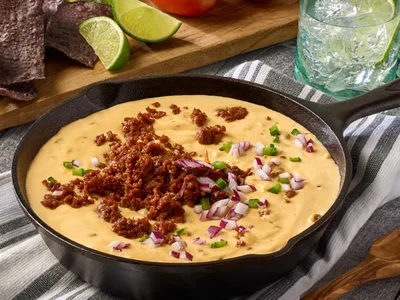
How to Use a Cast Iron Skillet
Cast iron cooking uses a heavy iron pan that holds heat like nothing else. The pan gets screaming hot, stays hot, and creates a hard sear on meat that other pans can't match.
Why it matters
Cast iron reaches 500F and holds it steady when you drop cold food in. That's how restaurants get crispy-bottom cornbread and steaks with dark brown crusts. The pan goes from stovetop to oven without thinking twice. A well-seasoned 12-inch Lodge skillet costs $30 and lasts 100 years.
What you need
Steps
Heat the empty skillet over medium heat for 5 minutes. Hold your hand 6 inches above the surface. When you can't keep it there for more than 2 seconds, the pan hits 400F. Never heat above medium-high or the seasoning burns off.
Add 1-2 tablespoons oil and tilt the pan to coat. The oil should shimmer and move like water, not smoke. If it smokes within 10 seconds, remove from heat for 30 seconds. Proper temperature oil slides across the pan in thin rivers.
Place food in the pan without moving it. Meat should sizzle immediately with steady bubbling around edges. Let it sit 3-5 minutes until it releases easily. Force it loose too early and you tear the crust. Golden-brown bits stick to the pan bottom when done right.
Flip once when edges show color change. Steak turns gray-brown 1/4 inch up the sides at 4 minutes. Eggs set white around edges after 2 minutes. Cornbread batter stops looking wet at edges after 3 minutes in a 425F oven.
Move the whole skillet to a 400F oven if needed. The handle gets blazing hot in 5 minutes. Steak finishes to 135F internal temp in 4-6 minutes. Cornbread takes 20-25 minutes until a toothpick pulls out clean from center.
Remove food and deglaze while pan stays hot. Pour 1/2 cup liquid (wine, broth, water) into the pan. Brown bits dissolve in 30 seconds of scraping with a metal spatula. This makes pan sauces and cleans the skillet at once.
Clean with hot water and coarse salt while warm. Scrub with salt paste for 30 seconds. Rinse and dry completely. Heat 1 minute on stovetop until bone dry. Wipe with 1 teaspoon oil until surface looks satin, not glossy. Store somewhere dry.
Common Mistakes
Using soap every time
What happens: Strips the seasoning layer and food sticks
Fix: Use coarse salt and hot water for daily cleaning, soap only for serious gunk
Heating empty pan on high
What happens: Seasoning flakes off in black chips and pan develops hot spots
Fix: Never go above medium-high heat, preheat on medium for 5 minutes
Cooking acidic foods too long
What happens: Tomato sauce turns metallic tasting and darkens after 45 minutes
Fix: Add tomatoes or vinegar in the last 20 minutes of cooking
Storing wet or oiled heavily
What happens: Rust spots form in 24 hours or oil goes rancid and sticky
Fix: Dry completely and use just 1 teaspoon oil rubbed thin
Moving food too soon
What happens: Proteins tear instead of releasing and leave no fond for sauce
Fix: Wait for easy release, usually 3-4 minutes for meat
Troubleshooting
Food sticks even with oil
Then: Re-season the pan: coat with 1 tablespoon oil, bake upside-down at 450F for 1 hour
Rust spots appear
Then: Scrub with steel wool and re-season immediately, increase oil coating to 2 teaspoons after cleaning
Black flakes in food
Then: Old seasoning flaking off, strip with oven cleaner and re-season from scratch with 3 rounds
Related Techniques
FAQ
What size skillet should I buy first?
Buy a 10-inch for 1-2 people or 12-inch for families. The 12-inch Lodge weighs 8 pounds empty and handles 4 chicken thighs or 2 ribeye steaks. The 10-inch weighs 5 pounds and fits 3 eggs or 1 large steak. Bigger than 12-inch gets too heavy for one-handed pouring.
How do I know when my pan is properly seasoned?
A seasoned pan looks dark bronze to black with a smooth satin sheen, not dull matte. Drop 1 tablespoon water in a hot pan. It should bead up and roll around for 10 seconds before evaporating. Eggs should slide around with 1 teaspoon butter after 2 minutes cooking. New pans need 3-4 rounds of oven seasoning at 450F before reaching this state.
Can I cook everything in cast iron?
Skip dishes that simmer acidic ingredients over 30 minutes. Wine reduction sauces work fine for 10 minutes. Tomato sauce for 20 minutes tastes fine. But 2-hour tomato braises pick up metallic flavors and strip seasoning. Also avoid boiling water for pasta since it provides no benefit and makes the pan harder to lift.
What oil works best for cooking and seasoning?
Use oils with smoke points above 400F. Grapeseed oil smokes at 420F and leaves the smoothest seasoning. Canola at 400F works for most cooking. Avoid olive oil for high-heat searing since it smokes at 375F. Flaxseed oil creates hard seasoning but smells fishy during the process. For best results, match oil to cooking temperature.
How long until my skillet becomes nonstick?
After 6 months of regular use, cast iron develops serious nonstick properties. Cook fatty foods like bacon or sear steaks 2-3 times per week. Each use adds microscopic layers. After 50 cooking sessions, scrambled eggs slide out with 1/2 teaspoon butter. Restaurant pans used daily achieve glass-smooth seasoning in 2 months.
Recipes Using This Technique

Chimichurri Filet Mignon Steak Sandwich
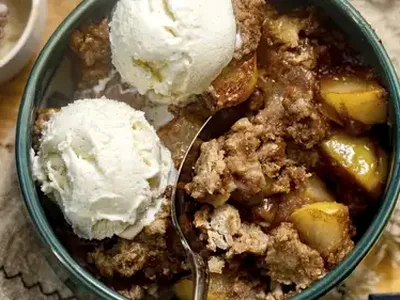
Easy Pear Cobbler Dump Cake with Spiced Bartlett Pears
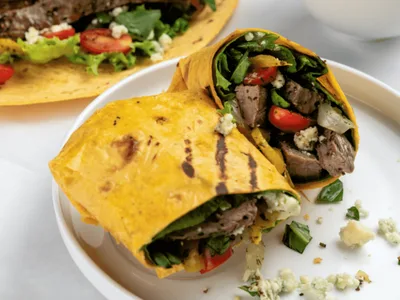
Seared Beef Flank Steak Wraps with Roasted Peppers
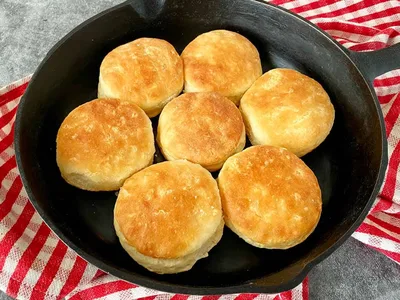
Old Fashioned Bacon Grease Biscuits
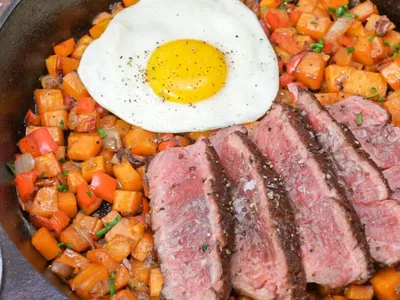
Cast Iron Steak and Sweet Potato Hash