How to Segment Oranges
Segmenting oranges means cutting between the membranes to remove clean pieces of fruit with no white pith or skin. You get pure orange flesh that looks like little boats.
Why it matters
Segments have no bitter pith or chewy membrane, just sweet juice and pulp. They look professional in salads and desserts. The technique works for all citrus fruits. You also get about 1/4 cup of fresh juice from the leftover membranes when you squeeze them.
What you need
Steps
Cut 1/2 inch off the top and bottom of the orange. Stand it on one flat end. You need a stable base. The orange should not wobble when you press down.
Place your knife at the top edge where orange flesh meets white pith. Cut down in a curved motion, following the fruit's shape. Remove a 2-inch wide strip of peel and pith. Rotate the orange 1/4 turn and repeat until all peel is gone.
Hold the peeled orange in your non-dominant hand over a bowl. See those white lines running from top to bottom? Those are membranes. Position your knife parallel to one membrane at a 45-degree angle.
Cut toward the center of the orange until your knife hits the tough white core. Stop there. Angle your knife to the other side of that segment and cut out at 45 degrees. The segment should fall into the bowl.
Rotate the orange slightly to expose the next membrane. Repeat the V-shaped cut on each side of every segment. Work around the orange until only the membrane skeleton remains. Each segment should be completely free of white membrane.
Squeeze the leftover membranes over the segments. You get 2-3 tablespoons of pure juice. Pick out any seeds with your knife tip. Cover segments with plastic wrap touching the surface. They keep for 3 days in the refrigerator.
Common Mistakes
Cutting straight down instead of following the curve
What happens: You leave thick patches of bitter white pith on the fruit
Fix: Keep your knife at a 15-degree angle and make 8-10 cuts around the orange
Using a dull knife
What happens: You tear the segments and lose half the juice to the cutting board
Fix: Test your knife on a tomato first. It should slice through the skin with no pressure
Cutting too deep into the center
What happens: Your knife gets stuck in the tough core and segments tear when you pull it out
Fix: Stop cutting when you feel resistance. The core is harder than the flesh
Working with cold oranges
What happens: Cold fruit yields 40% less juice and membranes are tougher to cut
Fix: Leave oranges at room temperature for 2 hours before segmenting
Troubleshooting
Segments fall apart into individual juice sacs
Then: Your oranges are overripe. Choose firm fruit with tight skin. Press gently, it should barely give
White pith still attached after peeling
Then: Go back with your knife held at 10 degrees. Shave off remaining pith in thin strips
Related Techniques
FAQ
What type of orange works best?
Navel oranges segment cleanest because they have thick membranes and no seeds. Valencia oranges work but expect 4-6 seeds per fruit. Blood oranges segment beautifully but stain everything red. Cara Cara oranges have thinner membranes so work slowly. For easiest segmenting, choose navels that weigh at least 8 ounces each.
Can I segment oranges ahead for a party?
Segments stay fresh for 72 hours when stored properly. Layer them in a glass container with no more than 3 layers deep. Pour their own juice over them to cover by 1/4 inch. Press plastic wrap directly on the surface. The juice prevents oxidation. Drain before serving. You lose 15% of the volume to evaporation after day one.
How many oranges do I need per person?
One large orange yields 8-10 segments or about 3/4 cup. For a salad, plan 1/2 orange per person. For a fruit salad or dessert garnish, 1/3 orange works. A 4-pound bag of navels contains 8-10 oranges. You lose 35% of the weight to peel and membranes. From 4 pounds of whole oranges, expect 2.5 pounds of segments.
My knife keeps slipping on the membrane. What should I do?
Dry everything first. Pat the orange with paper towels after peeling. Wipe your knife between every 2-3 cuts. Keep a dry kitchen towel under your cutting hand for grip. If membranes are especially slippery, chill the peeled orange for 10 minutes before segmenting. Cold firms up the structure by 20%.
Recipes Using This Technique
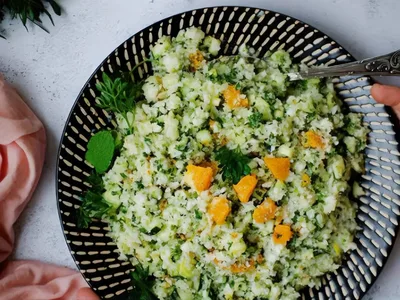
Cauliflower Tabbouleh with Fresh Oranges

Fast Autumn Lamb Stir-Fry with Orange and Ginger
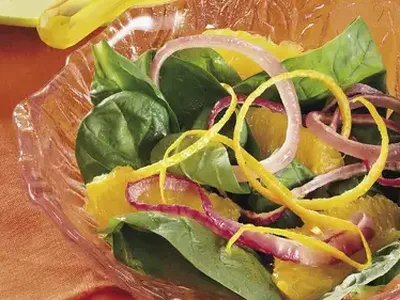
Fresh Spinach Orange Red Onion Salad with Honey Vinaigrette
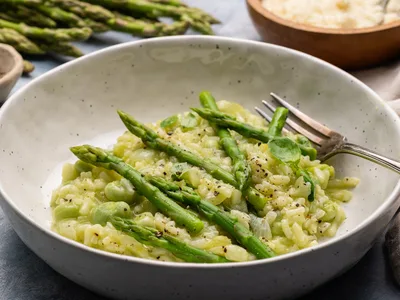
Garden Fresh Asparagus and Broad Bean Risotto
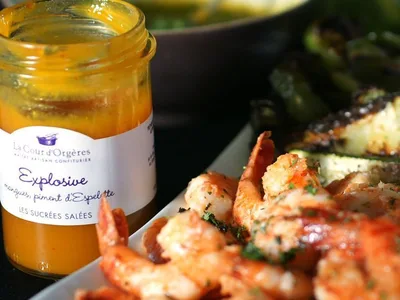
Grilled Shrimp with Explosive Mango Sauce Plancha