How to Simmer
Simmering keeps liquid at 185-205°F with small bubbles breaking the surface every 2-3 seconds. It cooks food gently without the aggressive motion of boiling.
Why it matters
Simmering extracts flavors slowly while keeping proteins tender. A rolling boil at 212°F toughens meat and clouds broths. Simmering at 195°F breaks down collagen into gelatin over 45-90 minutes. This technique builds layers of flavor that high heat destroys.
What you need
Steps
Fill your pot with liquid to cover ingredients by 1-2 inches. Turn heat to medium-high. Watch for steam wisps rising from the surface and tiny bubbles forming on the pot bottom at 160°F.
Reduce heat to medium-low when you see the first large bubble break the surface, around 185°F. Small bubbles should rise lazily. You'll hear a gentle murmur, not the rumble of a full boil.
Adjust your burner until 3-5 small bubbles pop per second. The surface should shimmer and ripple gently. Check temperature with your thermometer. Target 195°F.
Stir every 10-15 minutes using a figure-eight pattern to prevent sticking. Scrape the pot bottom. Listen for any sizzling sounds that mean your heat is too high. The only sound should be quiet bubbling.
Test your simmer stability after 20 minutes by counting bubbles for 10 seconds. You want 30-50 bubbles total. Too few means flavors won't develop. Too many risks overcooking.
Cover partially with a lid offset by 1 inch if liquid reduces too quickly. Full coverage traps heat and raises temperature above 205°F. Steam should escape steadily but not violently.
Common Mistakes
Setting heat too high after adding cold ingredients
What happens: Temperature spikes to 212°F, causing violent bubbling that breaks apart vegetables and toughens meat
Fix: Add cold items gradually and wait 2-3 minutes between additions for temperature to stabilize
Using thin aluminum pots
What happens: Hot spots develop, burning food on the bottom while the top stays raw
Fix: Choose pots with 5mm thick bottoms or use a heat diffuser on gas stoves
Leaving the lid fully closed
What happens: Pressure builds, raising liquid temperature to 215-220°F and turning your simmer into a boil
Fix: Keep lid ajar or use a splatter screen to allow steam escape while minimizing evaporation
Not stirring for 30+ minutes
What happens: Proteins stick and burn, releasing bitter compounds that ruin the entire dish
Fix: Set a timer for 15-minute intervals and stir gently from bottom to top
Troubleshooting
Liquid evaporates too fast despite proper temperature
Then: Switch to a narrower pot to reduce surface area or add hot water every 20 minutes to maintain level
Food stays tough after 2 hours of simmering
Then: Increase temperature to 200-205°F and add 1 tablespoon vinegar or wine per quart to help break down fibers
Related Techniques
FAQ
What's the difference between simmering on gas versus electric?
Gas flames create hot spots that spike temperatures 20-30°F higher at contact points. Electric coils distribute heat more evenly but respond slowly to adjustments, taking 3-5 minutes to cool down. On gas, use your smallest burner on low. On electric, cycle between low and medium-low every 10 minutes to maintain 195°F.
Can I simmer in a slow cooker?
Yes, but temperatures vary by model. Low settings range from 170-200°F, while high reaches 200-212°F. Most slow cookers simmer properly on low after 2 hours of heating. Use an instant-read thermometer through the vent hole to verify your model maintains 190-200°F before trusting the settings.
How do I maintain a simmer when doubling a recipe?
Larger volumes need 30-40% more time to reach simmering temperature but hold heat better once there. A doubled recipe in an 8-quart pot takes 15-20 minutes to reach 195°F versus 8-10 minutes for a single batch. Once simmering, the extra mass self-regulates, requiring less frequent heat adjustments.
Why do some recipes say to simmer uncovered?
Uncovered simmering reduces liquid by 10-15% per hour through evaporation, concentrating flavors. Use this for sauces that need thickening or when recipes specify reducing by half. The surface temperature stays 5-8°F cooler without a lid, so increase your burner setting slightly to maintain proper bubble activity.
Recipes Using This Technique
Tikka Masala Chicken Pasta with Cream Sauce
Homemade Pumpkin Pie with Butter Crust
Vegan Red Beet Curry with Coconut Milk
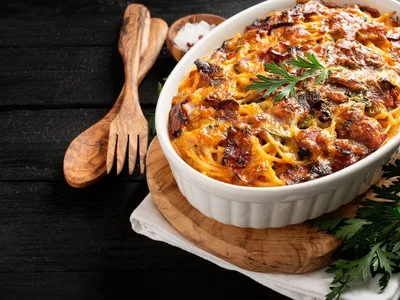
Baked Spaghetti Casserole with Meat Sauce
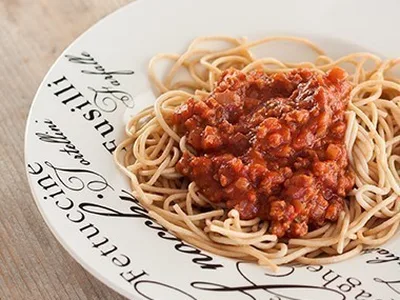
Vegan Spaghetti Bolognese with Lentils