How to Use a Double Boiler
A double boiler uses steam from simmering water to heat food in a bowl above. The indirect heat melts chocolate, cooks custards, and makes sauces without burning.
Why it matters
Direct heat scorches chocolate at 115°F. Eggs scramble at 160°F. A double boiler keeps temperatures below 212°F, the boiling point of water. Your chocolate stays smooth, your hollandaise won't curdle, and your custard sets like silk.
What you need
Steps
Fill the saucepan with 2 inches of water. The bowl bottom should hover 1 inch above the water line when placed on top. Too much water creates too much heat.
Heat water over medium heat until small bubbles form on the bottom, around 180°F. You want a gentle simmer, not a rolling boil. Big bubbles mean too much steam.
Place your bowl on the saucepan. Add ingredients. The bowl edge should seal against the pan rim to trap steam. If gaps show, your bowl is too small.
Stir constantly with your spatula, scraping bowl sides every 30 seconds. Chocolate melts in 3-5 minutes, becoming glossy and smooth. Custards thicken in 8-12 minutes, coating the spatula.
Check water level every 10 minutes for longer recipes. Steam escaping means you're losing water. Add hot water from a kettle to maintain 2 inches.
Remove the bowl using dry towels or oven mitts. Steam burns worse than boiling water. Wipe the bowl bottom before pouring to prevent water drips in your food.
Common Mistakes
Letting the bowl touch the water
What happens: Creates hot spots over 212°F that scramble eggs and seize chocolate
Fix: Keep 1 inch between bowl bottom and water surface
Using high heat for faster melting
What happens: Violent steam overheats ingredients, causing grainy textures
Fix: Stay at medium heat for 180°F water temperature
Adding cold ingredients to a hot bowl
What happens: Temperature shock causes chocolate to seize into chunks
Fix: Let ingredients reach room temperature first, about 70°F
Forgetting to stir
What happens: Edges cook faster than center, creating lumps
Fix: Stir every 30 seconds, scraping bowl sides and bottom
Troubleshooting
if chocolate turns thick and grainy
Then: Add 1 tablespoon coconut oil or butter per cup of chocolate, stirring until smooth
if custard has lumps
Then: Strain through fine mesh immediately, then whisk in 2 tablespoons cold cream
if bowl wobbles on the pan
Then: Switch to a wider bowl or smaller saucepan for stable fit
Related Techniques
FAQ
Can I use a metal bowl instead of glass?
Yes. Stainless steel heats 30% faster than glass, melting chocolate in 2-3 minutes instead of 3-5 minutes. Avoid aluminum bowls. They react with acidic ingredients like lemon curd. Glass lets you see the water level below, but metal works fine if you check water every 10 minutes.
What if I don't have a bowl that fits?
Create a seal with aluminum foil. Tear off an 18-inch sheet. Press it around the saucepan rim, leaving a 6-inch depression in the center. Place any smaller bowl in the depression. The foil traps steam while keeping the bowl stable. This works for bowls 2-3 inches smaller than your pan diameter.
How do I know when custard is done without a thermometer?
Draw a line on the back of your spatula with your finger. Ready custard holds the line for 2 seconds before flowing back together. The mixture coats the spatula like heavy cream, not milk. This happens at 170°F. If it coats like honey, you've gone too far past 180°F.
Why does my chocolate keep seizing?
Water is the enemy. Even 1 drop in 8 ounces of chocolate causes seizing. Check your bowl bottom for condensation before adding chocolate. Dry your spatula completely. Cover ingredients like extracts until the last second, as steam creates droplets on bottle caps. Keep water at 180°F, not 212°F, to reduce steam.
Recipes Using This Technique
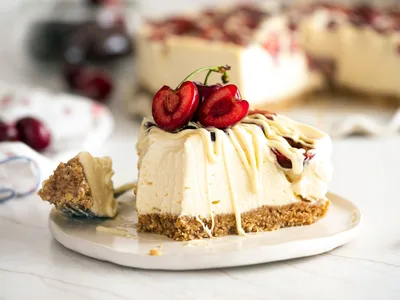
No-Bake White Chocolate Cheesecake
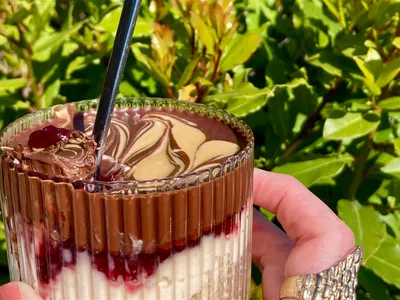
Chocolate Peanut Butter Jam Overnight Oats
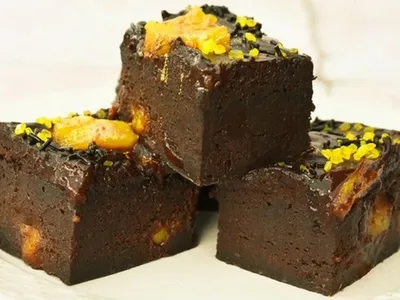
Dairy-Free Fudgy Pineapple Chocolate Brownies
Dairy-Free Fudgy Pineapple Chocolate Brownies
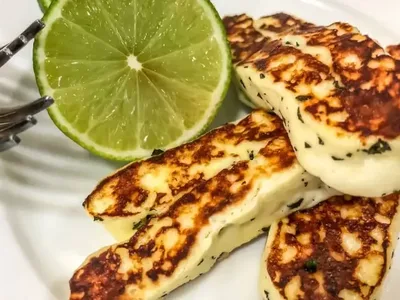
Homemade Halloumi Cheese from Raw Milk