How to Use a Dutch Oven
A Dutch oven is a heavy pot with a tight-fitting lid that distributes heat evenly from bottom to top. It works on stovetop and in ovens up to 500F, letting you sear, simmer, braise, and bake in one vessel.
Why it matters
The thick walls hold heat steady at 212F for hours without hot spots. Cast iron versions go from stovetop searing at 450F straight into a 350F oven. The heavy lid traps steam, turning tough meat tender in 2 hours. You get crusty bread, perfect stews, and one less pot to clean.
What you need
Steps
Heat the empty Dutch oven over medium heat for 3 minutes. Add 2 tablespoons oil and wait 30 seconds until it shimmers and slides easily across the bottom. The pot holds heat, so medium equals 350F on most stoves.
Sear meat in batches without moving for 3-4 minutes per side until deep brown crust forms and meat releases easily. Work in 1-pound batches to keep pot temperature above 300F. You'll hear steady sizzling, not violent spattering.
Remove meat and reduce heat to medium-low. Add diced onions and cook 5 minutes until edges turn translucent and smell sweet. Scrape up brown bits with wooden spoon. These bits dissolve into flavor.
Add liquid to cover ingredients by 1 inch, usually 4-6 cups for a 6-quart pot. Bring to gentle simmer where 1-2 bubbles break surface per second. Temperature reads 195-205F. Violent bubbling at 212F makes meat tough.
Cover with lid and transfer to 325F oven if braising meat, or keep on stovetop at low simmer for soups. Oven provides even 325F heat from all sides. Stovetop works for dishes needing frequent stirring.
Check liquid level every 45 minutes by lifting lid at far edge to let steam escape away from you. Add hot water 1 cup at a time if level drops below halfway up ingredients. Proper braising liquid stays 2 inches deep throughout cooking.
Common Mistakes
Crowding meat when searing
What happens: Temperature drops below 300F and meat steams gray instead of browning
Fix: Work in 1-pound batches with 1 inch between pieces
Using high heat because pot heats slowly
What happens: Food burns on bottom while top stays raw
Fix: Preheat 5 minutes on medium, never exceed medium-high
Lifting lid constantly to check progress
What happens: Loses 15 degrees and 2 cups steam each time
Fix: Trust the process and check every 45 minutes maximum
Using metal utensils on enamel coating
What happens: Chips enamel exposing iron that rusts
Fix: Use wood or silicone tools only
Troubleshooting
if food burns on bottom despite low heat
Then: do place a diffuser or cast iron griddle under pot to spread heat
if stew tastes flat after 2 hours braising
Then: do remove lid last 30 minutes to concentrate flavors by evaporating 25% of liquid
Related Techniques
FAQ
What size Dutch oven should I buy?
A 6-quart round pot feeds 4-6 people and weighs 13 pounds empty. It holds one 4-pound chicken or 8 cups of soup with room to stir. The 5.5-inch depth prevents splashing. Oval 7-quart versions fit a 5-pound roast but don't heat as evenly on round burners.
Should I get enameled or bare cast iron?
Enameled costs 3 times more but won't rust and needs no seasoning. Use it for acidic foods like tomato sauce that would strip seasoning from bare iron. Bare cast iron reaches 500F for better searing and costs $40-60. It needs seasoning but lasts 100 years.
Can I use my Dutch oven on a glass cooktop?
Yes, but lift straight up and down to avoid scratching. The 13-pound weight concentrates on the bottom ring, so heat on medium maximum. Glass tops cycle on and off to maintain temperature, making the heavy pot perfect for even cooking at 325F without hot spots.
How do I clean stuck-on food?
Fill with 2 inches water and 2 tablespoons baking soda. Simmer 10 minutes until bubbling loosens debris. The alkaline solution breaks down proteins at 180F. For enamel, avoid abrasive cleaners that dull the surface. Bare iron needs immediate drying and thin oil coat to prevent rust within 1 hour.
Recipes Using This Technique
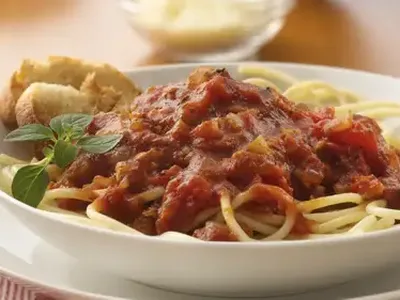
Classic Spaghetti with Homemade Marinara Sauce
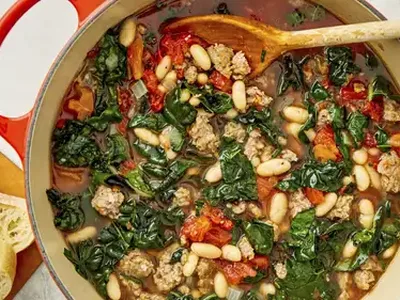
Italian Sausage White Bean Kale Soup with Fire Roasted Tomatoes
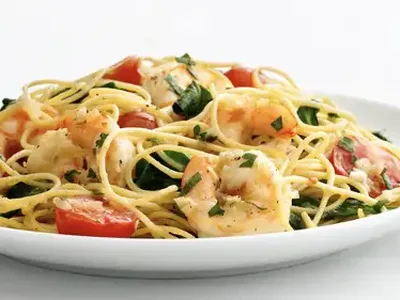
Skinny Garlic Shrimp Pasta with Cherry Tomatoes and Spinach

Tex-Mex Chicken and Rice Soup with Fire Roasted Tomatoes

Three-Bean Chili with Garlic Rice and Fresh Pepper Salsa