How to Use a Kitchen Scale for Baking
Kitchen scale baking means measuring ingredients by weight instead of volume. A digital scale displays exact grams or ounces, eliminating the guesswork of cups and spoons.
Why it matters
Weight measurements give you the same amount every time. One cup of flour can vary by 30 grams depending on how you scoop it. Professional bakers weigh everything because 125 grams of flour is always 125 grams. Your cakes rise properly, your cookies bake evenly, and your bread dough has the right texture when you measure by weight.
What you need
Steps
Place your digital scale on a flat, stable counter away from heat sources. Turn it on and wait 2 seconds for the display to show zero. Check the unit button shows grams or ounces, depending on your recipe. The display should be steady, not flickering.
Set your mixing bowl on the scale platform. Press the tare or zero button. The display reads 0 grams. You hear a beep or see the zero lock in place. This subtracts the bowl weight so you only measure ingredients.
Add your first ingredient slowly until you reach the target weight. Pour flour in a steady stream, watching the numbers climb. Stop at exactly 125 grams. The display holds steady for 2 seconds before you continue.
Press tare again to reset to zero with the flour in the bowl. Add your next ingredient directly on top. For 100 grams of sugar, pour until the display shows 100. Each tare erases the previous weight so you build your recipe in one bowl.
Remove the bowl carefully using both hands. The scale might jump to negative numbers, which is normal. Mix your ingredients as directed. Keep your scale on during baking to weigh any remaining ingredients like chocolate chips or nuts.
Write down actual weights as you work. Your recipe calls for 2 cups flour but you used 250 grams. Record this number. Next time, skip the measuring cup and go straight to 250 grams. Build your own weight conversion chart over time.
Common Mistakes
Forgetting to tare between ingredients
What happens: You add 200 grams sugar to 125 grams flour and get 325 grams total, not the 200 you wanted
Fix: Press tare after each ingredient goes in the bowl
Moving the scale while weighing
What happens: The reading jumps around and you get incorrect measurements
Fix: Keep the scale on a solid surface and pour ingredients gently
Using volume measurements on the scale
What happens: You put a measuring cup on the scale and fill it, defeating the purpose of weighing
Fix: Pour ingredients directly into the bowl on the scale
Ignoring small amounts under 5 grams
What happens: Your recipe fails because baking powder and salt matter even in tiny amounts
Fix: Switch to 0.1 gram precision for ingredients under 10 grams
Troubleshooting
Scale display drifts or won't stay at zero
Then: Replace the batteries or move away from electronic devices that cause interference
Ingredients stick to the bowl while pouring
Then: Use a rubber spatula to guide sticky ingredients like honey or peanut butter into the bowl
Related Techniques
FAQ
Do I need an expensive scale for baking?
A basic $20 digital scale works fine if it measures to 1 gram precision. Spend more for features like a pull-out display or 0.1 gram precision for tiny amounts. Avoid scales under $15 as they often drift or break within 6 months. The sweet spot is $25-40 for a scale that lasts years.
How do I convert my grandmother's recipe to weights?
Make the recipe once with measuring cups, but weigh each ingredient as you add it. Write down every weight. One cup of all-purpose flour usually weighs 120-130 grams. Next time, use only the weights. Your conversions get more accurate each time you bake the recipe.
Why do my digital scale readings jump around?
Air currents from fans or open windows make lightweight ingredients register incorrectly. Vibrations from dishwashers or washing machines travel through counters. Move your scale 3 feet away from appliances and close nearby windows. The reading should stabilize within 2 seconds.
Can I weigh liquids on a kitchen scale?
Yes. Water, milk, and thin liquids weigh almost exactly 1 gram per milliliter. So 240 grams of milk equals 240 milliliters or about 1 cup. Thick liquids like honey or molasses have different densities, so check specific conversion charts. Always tare your measuring cup first.
Recipes Using This Technique

Home Espresso Double Shot: Grind, Tamp, Pull
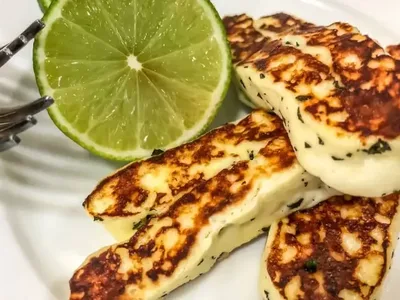
Homemade Halloumi Cheese from Raw Milk
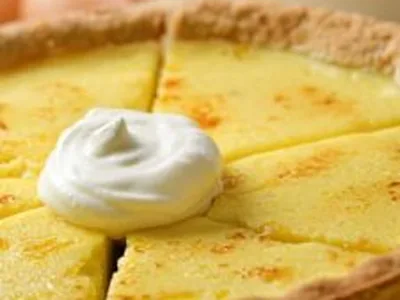
Pioneer Woman Egg Custard Pie with Homemade Pastry Crust

Pressure Cooker Shredded Beef Chile Rellenos with Guajillo
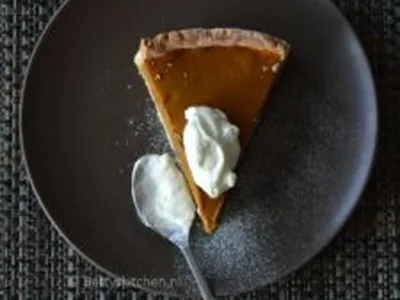
Homemade Pumpkin Pie with Butter Crust