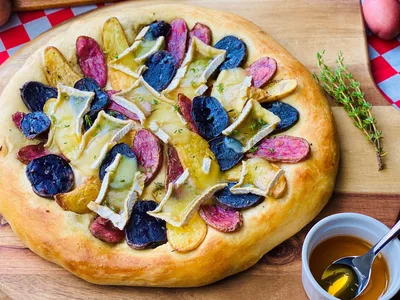
How to Use a Pizza Stone
A pizza stone is a flat ceramic or stone slab that absorbs moisture from dough while transferring intense heat. It creates a crispy bottom crust by mimicking the floor of a commercial pizza oven.
Why it matters
Pizza stones reach 500F to 550F and maintain that heat when cold dough hits the surface. Metal pans drop 100 degrees on contact. The porous surface pulls moisture from the dough bottom in the first 2 minutes of baking. This combination creates a crisp, charred crust impossible to achieve on a sheet pan.
What you need
Steps
Place the stone on the lower oven rack while the oven is completely cold. Heat to 500F for 45 to 60 minutes. The stone needs this time to absorb heat through its entire thickness. You'll know it's ready when a drop of water instantly sizzles and evaporates in under 2 seconds.
Dust your pizza peel with 2 tablespoons of cornmeal while the stone heats. Shape your dough directly on the dusted peel. Work quickly. The dough starts sticking after 3 minutes as moisture seeps through the cornmeal barrier.
Test the dough mobility by shaking the peel gently side to side. The pizza should slide freely. If any part sticks, lift that edge and throw more cornmeal underneath. A stuck pizza dumps toppings everywhere when you try to transfer it.
Open the oven and pull the rack out 6 inches. Position the peel at a 20-degree angle with the far edge touching the back of the stone. Use quick forward-and-back jerking motions while pulling the peel toward you. The pizza slides off in 3 to 5 jerks.
Bake for 8 to 12 minutes without opening the door. Look through the window for visual cues. The crust edge puffs and turns golden brown. Cheese bubbles vigorously with brown spots appearing after minute 7. The bottom sounds hollow when tapped with a spoon.
Remove the pizza by sliding the peel under one edge and dragging it fully onto the peel. Transfer to a cutting board immediately. Let the stone cool in the oven for 2 hours before removing. Thermal shock from a 500F to 70F temperature change cracks stones.
Common Mistakes
Putting a cold stone in a hot oven
What happens: The stone cracks from thermal shock as it expands unevenly
Fix: Always start with stone and oven at the same temperature
Using olive oil instead of cornmeal on the peel
What happens: Oil makes dough slide too much and burns at 500F creating bitter smoke
Fix: Stick to cornmeal or semolina flour which handle high heat
Overloading pizza with wet toppings
What happens: Moisture steams the crust center leaving it soggy while edges burn
Fix: Limit sauce to 4 ounces and pre-cook watery vegetables
Washing the stone with soap
What happens: Porous stone absorbs soap leaving a chemical taste in next 5 pizzas
Fix: Scrape with bench scraper when cool and wipe with damp cloth only
Troubleshooting
Pizza stuck to the peel won't slide off
Then: Lift one edge and blow flour underneath while a helper shakes the peel. Work around all edges until it moves freely.
Bottom crust burns before toppings cook
Then: Move stone to middle rack position and reduce temperature to 475F for next pizza.
Stone develops black stains that won't scrape off
Then: Flip stone over to use clean side. Stains are carbonized cheese and won't affect flavor.
Related Techniques
FAQ
Can I use parchment paper on a pizza stone?
Parchment paper works for the first 5 minutes at 500F before it browns and becomes brittle. Slide it out from under the pizza halfway through baking using tongs. The paper's maximum safe temperature is 450F according to most manufacturers. Above that it releases smoke and can ignite after 12 minutes of direct contact with the stone.
How thick should a pizza stone be?
Pizza stones need 0.5 to 0.75 inch thickness minimum to retain heat properly. Thinner stones lose 50 degrees when you slide cold dough onto them. Commercial pizza ovens use 2-inch thick stone decks. For home use, a 0.75-inch stone provides the best balance of heat retention and storage convenience. It weighs about 7 pounds at 14-inch diameter.
Do I need to season a pizza stone?
New pizza stones need no seasoning or special treatment before first use. Unlike cast iron, stones don't develop a non-stick patina. The microscopic pores that absorb moisture stay open permanently. Some darkening occurs after 20 uses as oils polymerize on the surface. This cosmetic change doesn't affect performance. Skip any advice about oiling stones.
What's the maximum temperature for a pizza stone?
Most ceramic pizza stones handle temperatures up to 900F safely, well above any home oven's 550F maximum. Thermal shock from rapid temperature changes causes cracks, not absolute heat levels. A stone heated gradually to 700F in a grill survives fine. The same stone cracks when moved from a 500F oven to a 40F countertop in winter. Always cool stones slowly inside the turned-off oven.
Recipes Using This Technique
BBQ Chicken Pizza with Jalapeno and Crispy Bacon
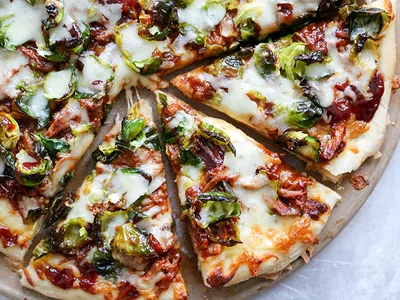
BBQ Pulled Pork Pizza with Crispy Brussels Sprouts
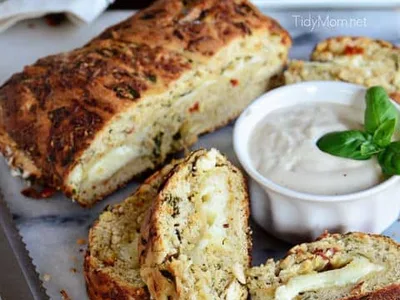
Cheese Stuffed Chicken Spinach Pizza Bread
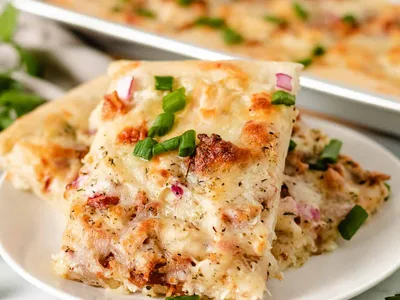
Chicken Bacon Ranch Pizza with Melted Cheese
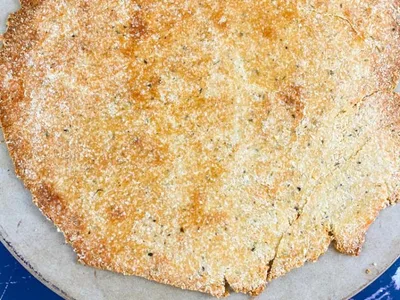
Keto Fathead Mozzarella Pizza Crust