How to Use a Stand Mixer
A stand mixer uses a motor-powered beater to mix ingredients while the bowl stays still. The machine does the hard work of creaming butter, kneading dough, and whipping cream that would tire your arms in minutes.
Why it matters
A stand mixer beats ingredients for 10 minutes without stopping, something your arms can't match. It incorporates air into batters better than hand mixing, giving you lighter cakes and fluffier whipped cream. The consistent speed prevents overmixing. You can add ingredients while it runs, keeping your hands free for other prep work.
What you need
Steps
Lock the bowl into place by lifting the tilt-head or raising the bowl-lift lever. You'll hear a click when it seats properly. Give it a wiggle. A loose bowl will wobble during mixing and ingredients will fly everywhere.
Choose your attachment based on the job. Use the flat beater for cookie dough and cake batter. Pick the whisk for cream or egg whites. Select the dough hook for bread. Push the attachment up into the shaft and twist clockwise until it locks with a snap.
Start on speed 1 or 2 for the first 30 seconds. Flour clouds disappear. Butter chunks break down. Starting slow prevents ingredients from jumping out of the bowl. Most KitchenAid models have 10 speeds. Most recipes work best between speeds 4 and 6.
Stop the mixer every 2 minutes to scrape down the sides with a rubber spatula. Unmixed flour hides along the bottom edge. Butter sticks to the beater. This 15-second pause ensures even mixing. The batter should look smooth with no streaks.
Watch for visual cues that tell you when to stop. Butter and sugar turn pale yellow and fluffy after 3-4 minutes of creaming. Whipped cream forms soft peaks in 2-3 minutes on speed 8. Bread dough pulls away from the bowl sides after 5-7 minutes of kneading.
Remove the bowl before changing attachments. Tilt the head back or lower the bowl. Twist the attachment counterclockwise to release. Some batter will cling to it. Tap the attachment on the bowl edge to knock it off. Never bang metal attachments together.
Common Mistakes
Starting at high speed
What happens: Flour explodes out of bowl, creating a mess and losing ingredients
Fix: Always start at speed 1 or 2 for 30 seconds
Using wrong attachment
What happens: Dough hook can't whip cream, whisk can't knead bread properly
Fix: Match attachment to task: paddle for batters, whisk for air, hook for dough
Overfilling the bowl
What happens: Ingredients spill over edges, mixer motor strains
Fix: Fill bowl only 2/3 full, mix in batches for large recipes
Never scraping bowl
What happens: Pockets of unmixed ingredients create lumps and uneven texture
Fix: Stop every 2 minutes to scrape sides and bottom
Running mixer too long
What happens: Overbeaten cream turns to butter, overmixed muffins become tough
Fix: Set a timer and watch for visual cues rather than mixing by time alone
Troubleshooting
Mixer walks across counter while running
Then: Place a damp towel under the base or reduce speed to 6 or lower
Ingredients stuck at bottom won't mix
Then: Stop mixer, scrape bottom thoroughly, restart at speed 2 before increasing
Attachment hits bowl bottom
Then: Adjust beater height with the screw on the mixer head, leaving a dime's thickness gap
Related Techniques
FAQ
What speed should I use for different tasks?
Speed 1-2 works for initial mixing and adding flour. Speed 4-6 handles most cake batters and cookie doughs. Speed 8-10 whips cream and egg whites. Bread dough needs speed 2 for kneading. Each speed doubles the RPMs of the previous one. Speed 10 spins at 220 RPM on most 325-watt models.
How do I know when butter and sugar are properly creamed?
Properly creamed butter and sugar takes 3-4 minutes on speed 6. The mixture turns from yellow to pale ivory. Volume increases by 30%. Texture changes from grainy to fluffy. You can't see individual sugar crystals anymore. The bowl feels slightly warm from friction, about 72F to 75F.
Can I leave the mixer running while I do other tasks?
Yes, for short periods under 5 minutes. Longer mixing generates heat that can affect delicate batters. The motor needs breaks every 10 minutes to prevent overheating. Set a kitchen timer. Most home mixers have thermal protection that shuts them off at 180F internal temperature.
Why does my dough climb up the hook?
Dough climbs when gluten develops, usually after 4-6 minutes of kneading. This shows proper development. Stop the mixer every 2 minutes to push dough back down. Very sticky doughs with over 65% hydration climb more. Add 1 tablespoon flour if climbing happens in the first minute.
What's the difference between tilt-head and bowl-lift models?
Tilt-head mixers have motors that pivot up, good for bowls under 5 quarts. Bowl-lift models keep the motor fixed while the bowl rises on arms, better for 6-8 quart bowls. Bowl-lift handles 20% more dough weight. Tilt-head takes up 30% less counter space when stored.
Recipes Using This Technique
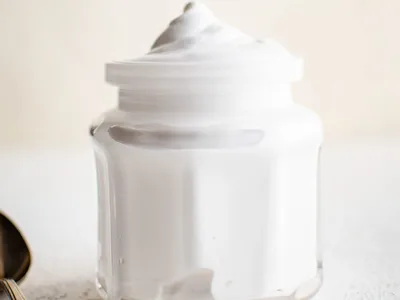
Homemade Marshmallow Fluff with Egg Whites

Gluten-Free Cinnamon Pull-Apart Cake

Overnight Pumpkin Spice Rolls with Browned Butter Cream Cheese Icing
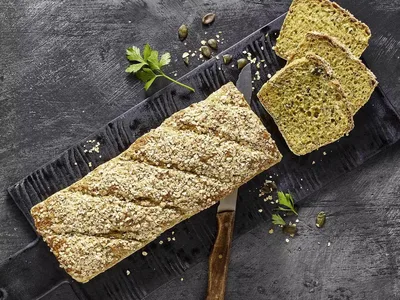
Gluten-Free Millet Herb Bread

Pumpkin Spice Cream Puffs