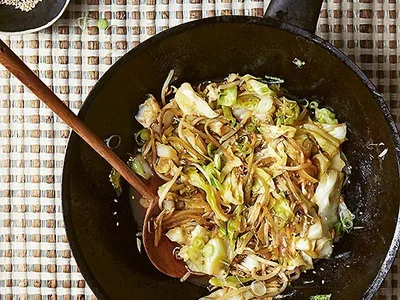
How to Use a Wok
Wok cooking uses a round-bottomed pan over extreme heat to sear ingredients while keeping them moving. The curved sides let you toss food up and away from the intense heat at the bottom, creating the smoky char called wok hei.
Why it matters
A wok reaches 1200F at the bottom while the sides stay 400F cooler. This temperature gradient lets you sear meat in seconds then push it up the sides to finish cooking gently. You get crispy edges without overcooking. Standard skillets can't match this heat control.
What you need
Steps
Heat the empty wok over high heat for 2 minutes until a water droplet evaporates in under 2 seconds. The metal will start to shimmer and you'll see wisps of smoke rising from the surface. This is 500F at the bottom.
Add 2 tablespoons oil and swirl to coat by tilting the wok in a circle. The oil should immediately ripple and smoke lightly. If it doesn't move like water, the wok isn't hot enough. Wait 30 more seconds.
Drop aromatics like garlic or ginger into the oil. They should sizzle violently on contact and turn golden in 10-15 seconds. The kitchen fills with their smell instantly. Push them up the sides before they brown.
Add proteins in a single layer without crowding. Leave them alone for 30 seconds until the bottom develops a brown crust. You'll hear aggressive sizzling that slowly quiets as moisture evaporates. The meat releases easily when ready to flip.
Toss vegetables by pushing the spatula under them and flipping toward you in a scooping motion. Keep everything moving every 15-20 seconds. Vegetables should char in spots while staying crisp. Green beans squeak when perfectly cooked.
Create a well in the center by pushing ingredients up the sides. Pour sauce into the hot center where it bubbles immediately and reduces by half in 30 seconds. The bubbling sounds like rapid popping. Toss everything together when sauce thickens to coat the back of your spatula.
Common Mistakes
Using olive oil or butter
What happens: Burns at 375F and 350F respectively, creating bitter smoke and ruining the dish
Fix: Use peanut oil (450F smoke point) or grapeseed oil (420F smoke point)
Overcrowding the wok
What happens: Temperature drops below 212F, ingredients steam instead of sear, everything turns gray and soggy
Fix: Cook in batches with no more than 1 pound of food at a time in a 14-inch wok
Moving food too often
What happens: Prevents browning, creates mushy texture, loses the char flavor
Fix: Let ingredients sit untouched for 30-45 seconds between tosses to develop color
Adding cold sauce to hot ingredients
What happens: Drops wok temperature by 200F, stops the searing process, makes everything watery
Fix: Bring sauce to room temperature and add to the empty hot center of the wok
Troubleshooting
Food sticks to the wok
Then: Season the wok by heating with oil 5 times until it turns black. Or wait for proteins to develop a crust before moving them.
No wok hei flavor develops
Then: Increase heat and cook smaller batches. The wok bottom must stay above 500F. Listen for constant sizzling.
Related Techniques
FAQ
Can I use a nonstick wok?
No. Nonstick coatings break down above 450F and release toxic fumes. Wok cooking requires 500F minimum at the base. A properly seasoned carbon steel wok becomes naturally nonstick after 10-15 uses. The dark patina that develops is polymerized oil that prevents sticking better than any coating.
Why does restaurant wok cooking taste different from home?
Restaurant wok burners produce 100,000 BTUs versus your home stove's 15,000 BTUs. This 6x power difference creates temperatures above 1200F. You can compensate by preheating longer (3-4 minutes), using less food per batch (8 ounces max), and choosing thinner cuts that cook in 60 seconds.
How do I know when my wok is properly seasoned?
A seasoned wok turns from silver to bronze to black over 15-20 cooking sessions. Water beads up and rolls off like mercury. A paper towel wiped inside comes away clean, not black. The surface feels smooth, not sticky. Food slides easily with 1 tablespoon of oil.
What size wok works best for home cooking?
A 14-inch flat-bottom carbon steel wok handles 2-4 servings efficiently on home stoves. Smaller 12-inch woks overcrowd quickly. Larger 16-inch woks don't heat evenly on standard 9-inch burners. The flat bottom maximizes contact with your heat source while curved sides still allow proper tossing motion. Round-bottom woks need special ring stands that reduce heat transfer by 30%.
Recipes Using This Technique
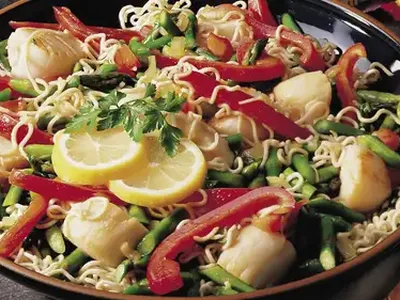
Oriental Scallop Stir-Fry with Ramen Noodles
Black Spaghetti with Garlic Butter and Arugula
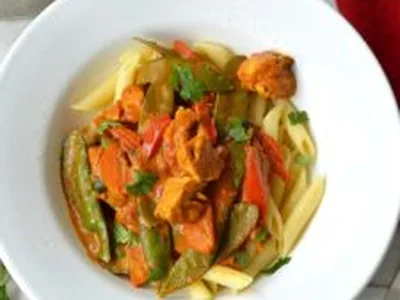
Tikka Masala Chicken Pasta with Cream Sauce
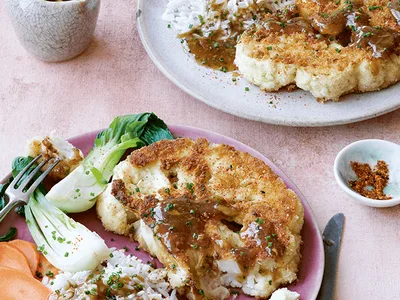
Paneed Cauliflower Steaks with Lemon Ginger Sauce
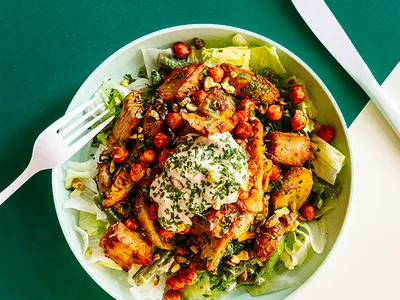
Vegan Caesar Salad with Crispy Potatoes