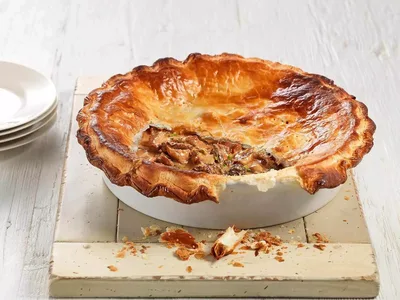
How to Sear Meat
Searing creates a brown crust on meat using high heat in a pan or grill. The process caramelizes proteins and sugars on the meat's surface through the Maillard reaction.
Why it matters
A proper sear locks in flavor compounds that develop only at temperatures above 300F. The crust adds textural contrast to tender meat. Searing also creates fond, those brown bits that become the base for pan sauces. Without searing, meat tastes flat and looks gray.
What you need
Steps
Pat meat completely dry with paper towels. Season all sides with 1 teaspoon kosher salt per pound. Let sit at room temperature for 20-30 minutes. The surface should look matte, not wet.
Heat your pan over medium-high heat for 3-4 minutes. Add 1-2 tablespoons oil and swirl to coat. The oil should shimmer and move like water, not smoke heavily.
Place meat in pan. Listen for an immediate loud sizzle. No sizzle means the pan needs another minute. Cook without moving for 3-4 minutes until the bottom releases easily when lifted.
Flip when the crust is deep golden brown. A proper crust looks like dark caramel. Sear the second side for 3-4 minutes. The internal temperature should reach 125F for medium-rare beef.
Sear the edges by holding meat with tongs against the pan for 30-45 seconds per edge. Look for uniform browning all around.
Remove meat to a plate. Add 2 tablespoons butter to the hot pan. Tilt pan and baste meat with melted butter for 30 seconds. The butter should foam and smell nutty.
Rest meat for 5-10 minutes before slicing. Internal temperature will rise 5F during rest. The juices should run clear pink, not red, when cut.
Common Mistakes
Moving meat too early
What happens: The crust tears off and sticks to the pan
Fix: Wait until meat releases naturally, usually 3-4 minutes
Using a cold pan
What happens: Meat steams instead of sears, creating gray color
Fix: Preheat pan for 3-4 minutes until a drop of water evaporates in 2 seconds
Crowding the pan
What happens: Temperature drops below 300F and meat steams
Fix: Leave 2 inches between pieces or cook in batches
Using wet meat
What happens: Water creates steam that prevents browning
Fix: Pat dry and let sit uncovered for 20 minutes before cooking
Wrong oil choice
What happens: Olive oil burns at 375F, creating bitter taste
Fix: Use oils with smoke points above 400F like grapeseed or avocado
Troubleshooting
Smoke fills the kitchen
Then: Reduce heat to medium and switch to an oil with higher smoke point. Open windows and turn on exhaust fan
Meat sticks despite hot pan
Then: The crust isn't ready. Wait another 60 seconds. If using stainless steel, deglaze stuck bits with 1/4 cup wine after cooking
Outside burns before inside cooks
Then: Finish in a 350F oven. Thick cuts over 1.5 inches need 5-10 minutes oven time after searing
Related Techniques
FAQ
How thick should meat be for searing?
Aim for 1 to 1.5 inches thick. Thinner cuts cook through before developing a crust. Cuts under 3/4 inch need only 2 minutes per side. Anything over 2 inches thick requires oven finishing after searing. A 1.5-inch ribeye takes 4 minutes per side for medium-rare at 130F internal temperature.
Can I sear frozen meat?
Yes, but add 50% more cooking time. A frozen 1-inch steak needs 6 minutes per side instead of 4 minutes. The exterior browns while the interior thaws. Use a thermometer to check for 125F in the center. Frozen meat actually sears better because ice crystals on the surface evaporate quickly at 400F, leaving a dry surface perfect for browning.
What's the difference between searing and browning?
Searing uses temperatures above 300F to create a crust in 3-4 minutes per side. Browning happens at lower heat around 250F and takes 8-10 minutes. Searing develops deeper flavors because sugars caramelize at 340F. Ground beef browns but doesn't sear because the pieces are too small to develop a proper crust.
Should I use butter or oil?
Start with oil that has a 400F smoke point. Add butter only in the last 30 seconds for flavor. Butter burns at 250F, turning black and bitter. Mix 2 tablespoons oil with 1 tablespoon butter if you want butter flavor throughout. The oil raises the butter's smoke point to about 325F.
Recipes Using This Technique
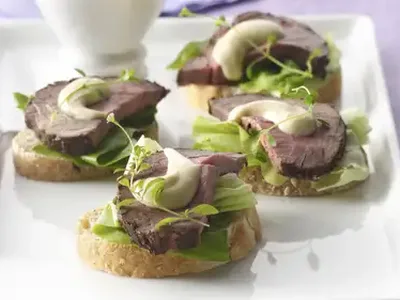
Coffee-Crusted Beef Tenderloin Appetizers with Dijon Cream
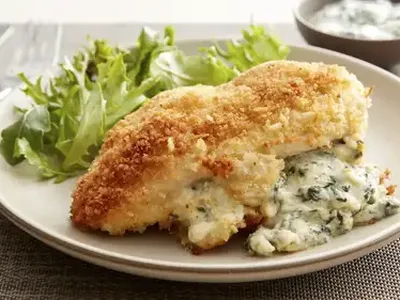
Crispy Pan-Seared Spinach and Artichoke Stuffed Chicken Breasts
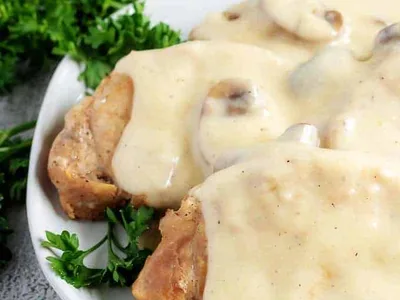
Instant Pot Pork Chops with Mushroom Gravy
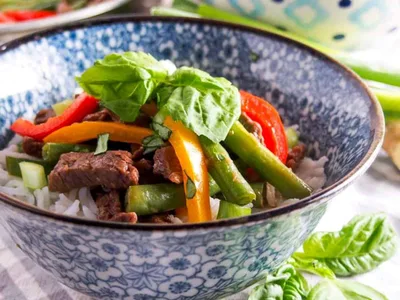
High-Heat Pepper Steak Stir Fry with Green Beans
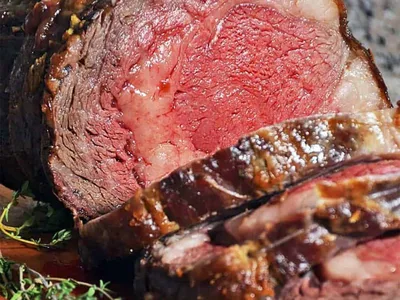
Boneless Prime Rib Roast: High-Heat Sear Method