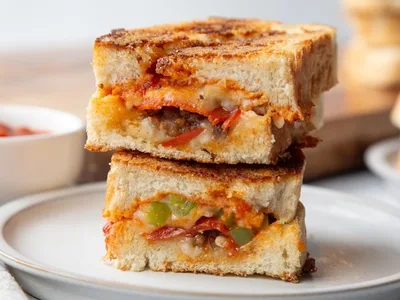
All About Pizza Sauce
Pizza sauce is the seasoned tomato base that defines a great pizza. Made from crushed or pureed tomatoes with herbs and garlic, it brings tangy sweetness and moisture to balance cheese and crust. Good pizza sauce tastes bright and garlicky without being watery. It should coat the back of a spoon but still spread easily.
How to Select
Look for sauce with tomatoes as the first ingredient. Check sodium content, aiming for under 400mg per half cup. Avoid sauces listing sugar in the first three ingredients. Glass jars let you see consistency. The sauce should look thick, not separated with water pooling on top.
How to Store
Unopened jars keep 18 months in the pantry. Once opened, refrigerate in the original jar with the lid tight. Use within 10 days. For longer storage, freeze portions in ice cube trays. Each cube equals about 2 tablespoons. Frozen sauce keeps 4 months. Never store opened sauce at room temperature.
How to Prep
Most jarred sauces work straight from the container. For thicker consistency, simmer uncovered for 5 minutes to reduce by one third. Add 1 teaspoon dried oregano per cup for more herb flavor. For smoother texture, blend with an immersion blender for 30 seconds. Warm sauce spreads more evenly than cold.
Flavor Pairings
Pizza sauce loves Italian seasonings like oregano, basil, and garlic powder. Olive oil smooths out acidity. Pairs naturally with mozzarella, parmesan, and ricotta cheeses. Works with all pizza toppings from pepperoni to mushrooms. Also good with eggs in breakfast pizzas or mixed into ground beef for casseroles.
Cooking Tips
Use 1/4 to 1/3 cup sauce per 12-inch pizza for proper coverage without soggy crust.
Reduce watery sauce by simmering uncovered at 225°F for 15 minutes until it coats a spoon.
Add 1 teaspoon olive oil per cup of sauce to prevent burning during high-heat baking at 475°F.
Leave a 1/2 inch border when spreading sauce to prevent overflow and ensure crispy edges.
Need a substitute? See our Best Substitutes for Pizza Sauce guide with tested ratios.
FAQ
Can I substitute pasta sauce for pizza sauce?
Pasta sauce contains more water and cooks down differently. If substituting, use 25% less pasta sauce and simmer it uncovered for 10 minutes first. Pizza sauce has a thicker consistency with about 12% solids compared to pasta sauce at 8% solids. The extra herbs in pasta sauce can overpower pizza toppings.
How much pizza sauce do I need per pizza?
A 12-inch pizza needs 1/4 to 1/3 cup sauce. A 16-inch pizza takes 1/2 cup. For thick crust, use the lower amount. For thin crust, use slightly more. One 15-ounce jar covers 5 to 6 medium pizzas. French bread pizzas need about 2 tablespoons per 6-inch piece.
Why does my pizza get soggy when I use pizza sauce?
Excess moisture causes soggy pizza. Pre-bake your crust for 3 minutes at 425°F before adding sauce. Use no more than 1/3 cup sauce per 12-inch pizza. Pat wet toppings like fresh mozzarella dry. Bake on the lowest oven rack at 475°F or higher. A pizza stone absorbs moisture better than a pan.
Should pizza sauce be cooked before using?
Raw sauce works fine since it cooks on the pizza. Pre-cooking for 5 minutes concentrates flavors and removes excess water. Uncooked sauce tastes brighter and more tomato-forward. Cooked sauce develops deeper, slightly caramelized notes. Most pizzerias use uncooked sauce for its fresh taste.
Recipes with Pizza Sauce
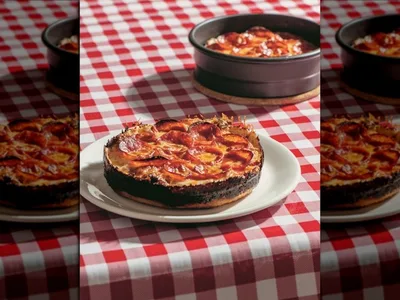
Eric Wareheim's Personal Pan Pepperoni Pizza
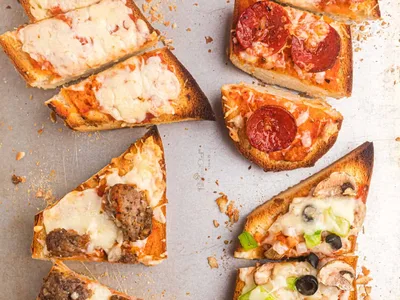
French Bread Pizza with Three Cheeses
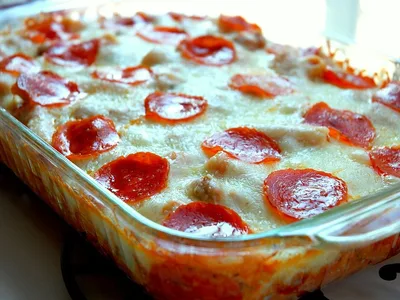
Ground Beef Pizza Casserole with Golden Biscuits

Pepperoni Stromboli with Salami and Mozzarella

Spaghetti Squash Pizza Bites with Spinach and Bacon