Gluten-Free Recipes
6,025 recipes
Slow-Cooker Hot Chocolate Buffet with Toppings

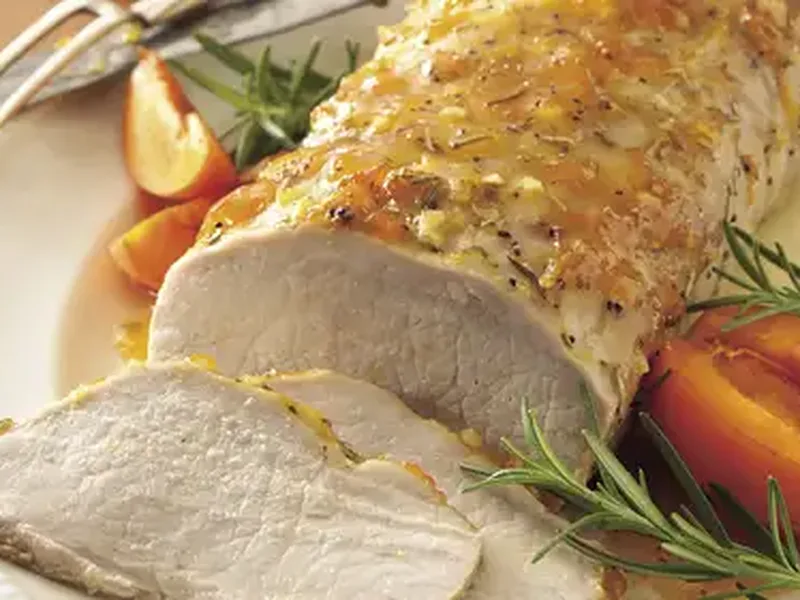
Slow-Cooker Fruit-Stuffed Pork Loin Roast with Apple Glaze

Slow-Cooker Golden Fruit Chutney with Pineapple and Apricots

Slow Cooker Lemon Pepper Chicken with Pan-Seared Thighs

Slow-Cooker Mediterranean Pot Roast with Olives and Sun-Dried Tomatoes

Slow-Cooker Chuck Roast with Fresh Herb Chimichurri

Slow-Cooker Spicy Chicken Stew with Corn and Potatoes

Slow Cooker Beef Taco Casserole with Corn Tortillas

Slow Cooker Turkey White Bean Chili with Poblano and Corn

Slow Cooker Vegan Mashed Potatoes with Garlic and Onion

Sneaky Pizza Baked Potatoes with Hidden Cauliflower

Roasted Spaghetti Squash with Tomato-Beet Sauce

Spicy Chipotle Grilled Vegetables with Orange

Fresh Spinach Strawberry Salad with Poppy Seed Dressing

Steamed Vegetables with Chile-Lime Butter

Strawberry Cheesecake Parfait with Orange Cream and Cookie Crumbs

Layered Strawberry Green Smoothie Pops with Vanilla Yogurt

Strawberry White Chocolate Champagne Layer Cake with Frosting

Streusel-Topped Pumpkin Pie with Cinnamon Oat Crumble

Stuffed Cuban Pork Tenderloin with Ham and Swiss

Sugary Gingerbread-Oat Chews - Soft Spiced Cookies

Supreme Pizza Sausage Pie Pockets with Pillsbury Crust

Sweet Salty Toffee Chex Mix with Caramel Coating

Sweet and Spicy Glazed Ham with Maple and Warm Spices
Gluten-free cooking means avoiding wheat, barley, rye, and their derivatives. Gluten hides in soy sauce (3-5% wheat), malt vinegar, and modified food starch. People following this diet check labels for wheat flour, barley malt, brewer's yeast, and graham flour. Cross-contamination matters. A cutting board used for regular bread can transfer enough gluten to cause reactions in sensitive individuals. Replace all-purpose flour with Cup4Cup (1:1 ratio), King Arthur Measure for Measure (1:1), or Bob's Red Mill 1-to-1 blend. For bread flour, add 1 teaspoon xanthan gum per 3 cups gluten-free flour blend. Rice flour alone makes gritty textures. Mix 40% brown rice flour, 30% white rice flour, 20% tapioca starch, and 10% potato starch for better results. Tamari replaces soy sauce at a 1:1 ratio. Coconut aminos work too but taste sweeter. Check oats specifically labeled gluten-free, since regular oats process on shared equipment. Cornstarch thickens sauces at 1 tablespoon per cup of liquid. Arrowroot powder needs 2 teaspoons per cup. Both work better than flour-based roux. Naturally gluten-free foods like rice, potatoes, quinoa, and corn need no substitutions. A 5-pound bag of rice costs $4-8 and stores for 2 years. Corn tortillas run $2-3 per dozen. Rice noodles cook in 4-6 minutes versus 8-10 for wheat pasta. Pad thai noodles soften in hot water without boiling. Baking requires more precision. Gluten-free dough doesn't stretch or hold gas bubbles the same way. Add 1/4 cup extra liquid per 3 cups flour in most recipes. Let batters rest 10-15 minutes before baking. Cookies spread more, so chill dough 30 minutes first. Pizza dough needs 70% hydration versus 60% for wheat dough. Gluten-free pasta releases more starch. Use 6 quarts water per pound pasta instead of 4 quarts. Save 1 cup pasta water before draining since sauces need extra liquid. Restaurant kitchens pose challenges. Shared fryers contaminate foods. Ask about dedicated prep areas and separate cooking equipment.
Quick Start
Start with naturally gluten-free meals like stir-fries over rice, baked potatoes with toppings, or corn tacos. Buy one good 1:1 flour blend like Cup4Cup ($6-8 per pound) rather than mixing multiple flours yourself. Replace regular pasta with Barilla or Ronzoni gluten-free versions, which cook in the same time and taste similar. Keep corn tortillas on hand since they work for wraps, quesadillas, and pizza bases. Toast them 30 seconds per side for better texture.
Pantry Staples
Replaces all-purpose flour 1:1 in most recipes. Contains xanthan gum already. Keeps 18 months in pantry.
Use exactly like regular soy sauce. Tamari has richer flavor. Refrigerate after opening, lasts 2 years.
Regular oats process near wheat. Look for certified label. Store sealed for 2 years.
Thickens at 1 tablespoon per cup liquid. Mix with cold water first. Indefinite shelf life when dry.
Base for meals. 1 cup dry makes 3 cups cooked. Brown rice keeps 6 months, white keeps 2 years.
Complete protein, cooks in 15 minutes. Rinse first to remove bitter coating. Stores 2-3 years sealed.
Check ingredients for wheat. Pure corn versions widely available. Freeze up to 6 months.
Pad thai, vermicelli, or wide styles. Soak in hot water 6-8 minutes. Pantry stable 2 years.
For baking. Not 1:1 with wheat flour. Use recipes designed for it. Refrigerate after opening, use within 6 months.
Lightens gluten-free flour blends. Different from potato flour. Thickens at lower temps than cornstarch.
Binds gluten-free doughs. Use 1/4 teaspoon per cup flour in cookies, 1 teaspoon per cup in breads. Lasts 3 years.
Watch Out For
Contains gluten. Includes bread flour, cake flour, self-rising, whole wheat. No safe amount exists.
Contains 3-5% wheat. Kikkoman regular has wheat as second ingredient. Choose tamari or certified versions.
Made from barley. Malt vinegar and malt flavoring also contain gluten. Wine and distilled spirits generally safe.
Sausages, deli meats, hot dogs often contain wheat-based fillers. Check labels or buy certified brands.
Fake crab and lobster contain wheat starch as primary binder. Real shellfish naturally gluten-free.
Many contain wheat flour as anti-caking agent. McCormick labels gluten-free versions clearly.
Traditional licorice contains wheat flour. Twizzlers uses wheat. Check labels on all candy.
FAQ
Do I need separate cooking equipment?
Severe sensitivities require separate toasters, cutting boards, and colanders. Most people manage with thorough washing. Wooden spoons and scratched nonstick pans trap gluten particles more than smooth surfaces. A dedicated gluten-free toaster costs $20-40. Cast iron skillets need re-seasoning if previously used with gluten. Shared deep fryers always cross-contaminate since breading particles circulate in oil heated to 350-375°F.
Why does gluten-free bread cost more?
Specialty ingredients and smaller production runs increase costs. Xanthan gum runs $15-20 per pound versus $0.50 for wheat flour. Gluten-free bread uses 3-5 different flours plus binding agents. A loaf costs $5-7 versus $2-3 for regular bread. Freezing extends life to 3 months since preservatives work differently without gluten structure.
Can I convert regular recipes?
Simple substitutions work for some recipes. Replace 1 cup all-purpose flour with 1 cup Cup4Cup blend in cookies and quick breads. Yeast breads need recipe redesign since gluten creates structure. Add 25% more liquid to batters. Rest cookie dough 30 minutes before baking. Bread recipes need 60-70% hydration versus 50-60% for wheat versions.