Greek Recipes
68 recipes
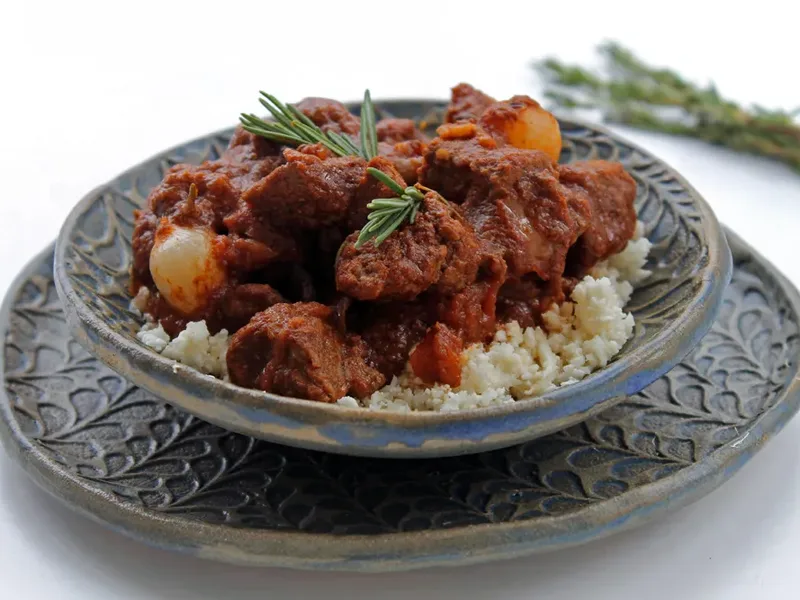
Low Carb Greek Beef Stifado with Pearl Onions and Warming Spices
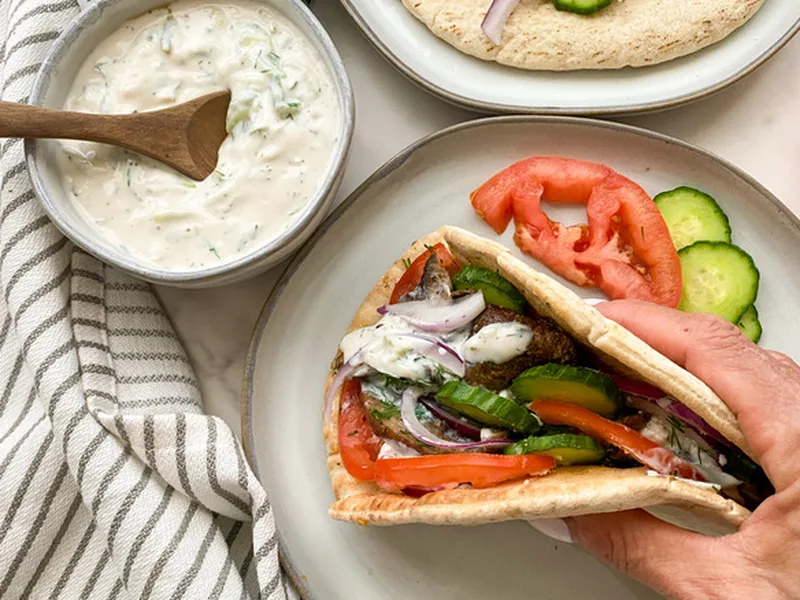
Portobello Mushroom Gyro with Tzatziki
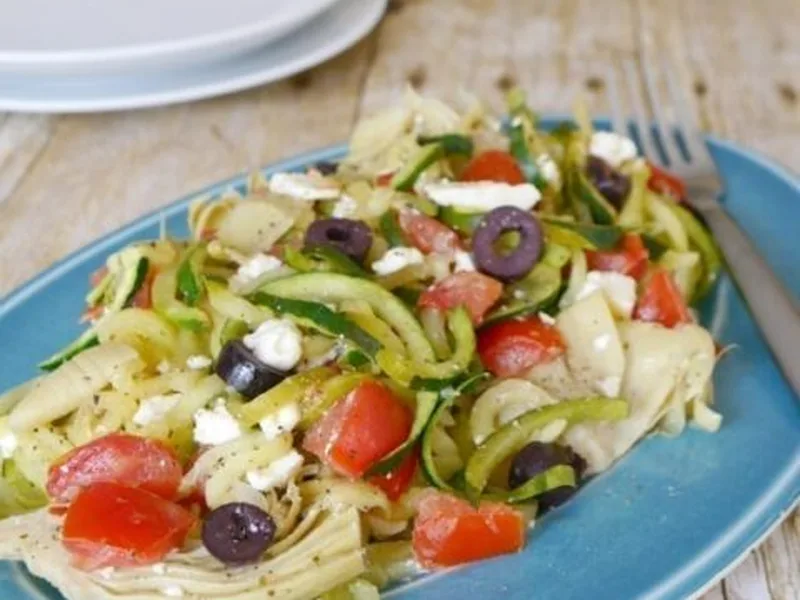
Low-Carb Greek Zoodles with Feta and Artichokes
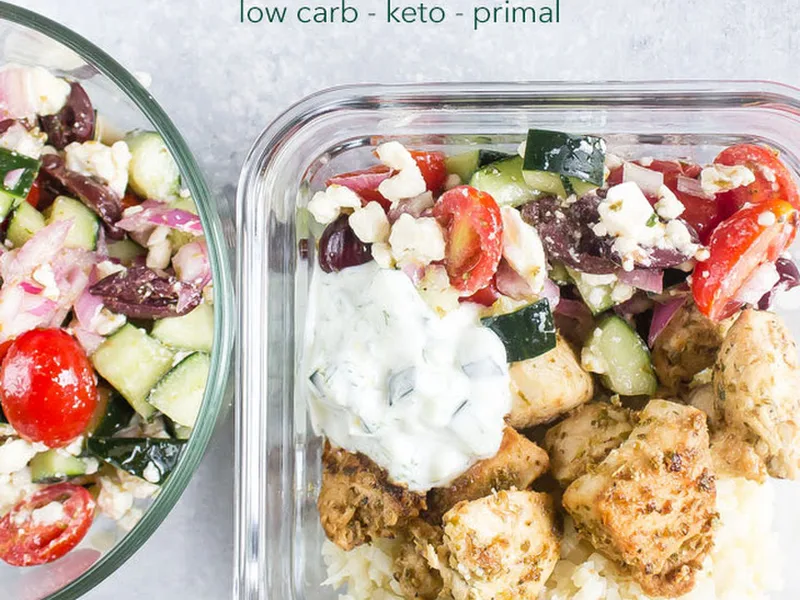
Mediterranean Greek Chicken Bowls with Cauliflower Rice
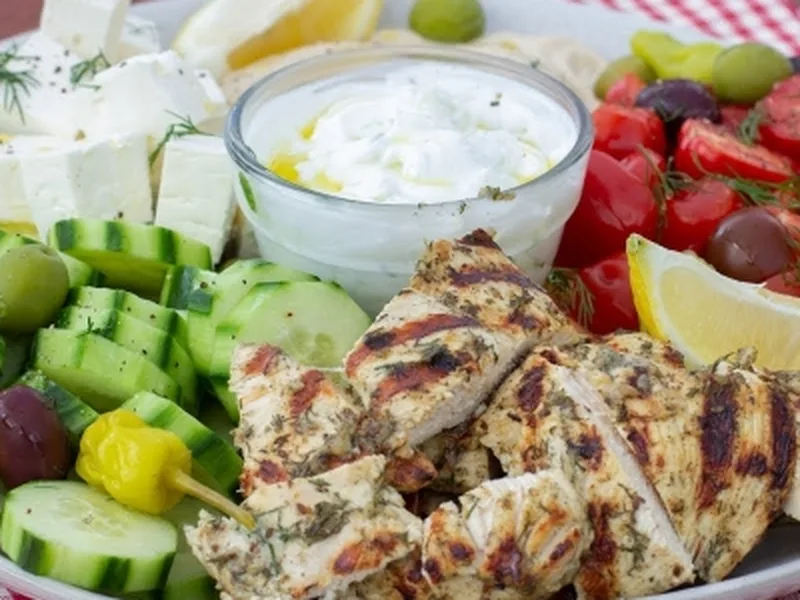
Greek Marinated Grilled Chicken with Herbs and Lemon
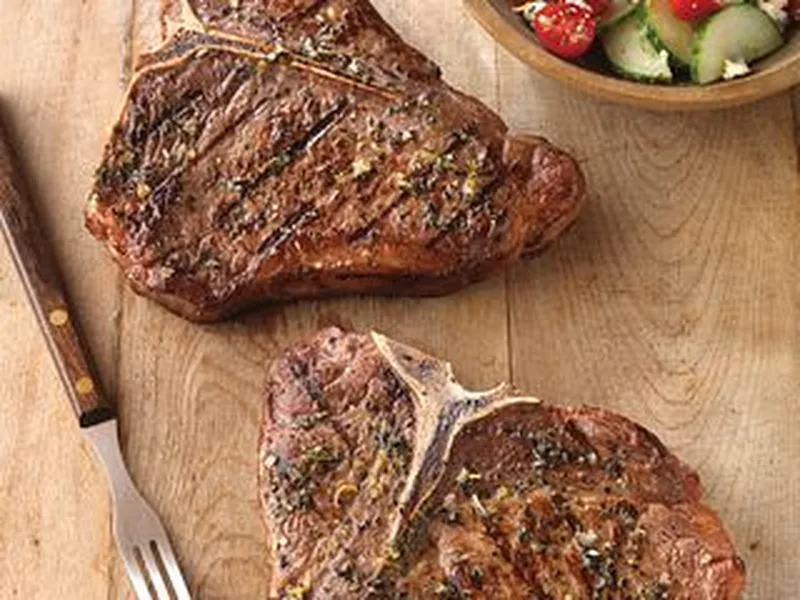
Greek-Seasoned T-Bone Steaks with Cucumber Tomato Salad
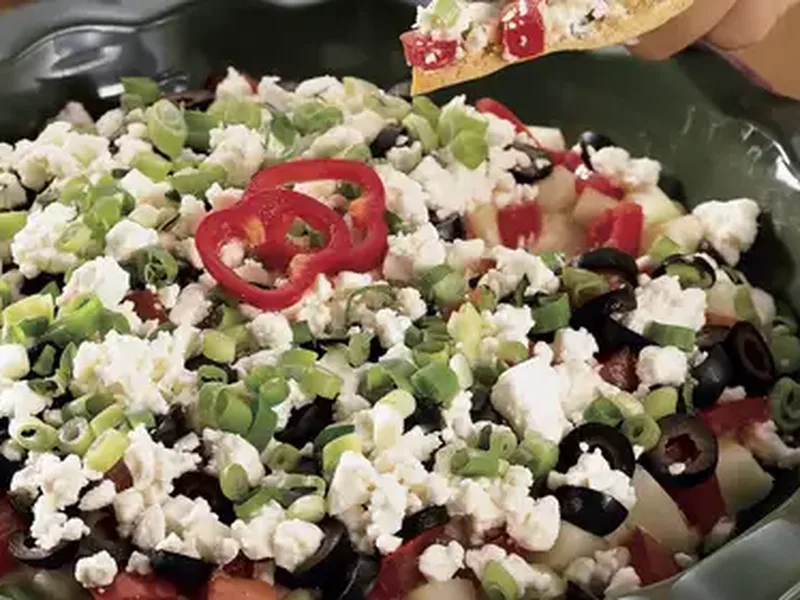
Greek Layered Dip with Crispy Baked Pita Chips
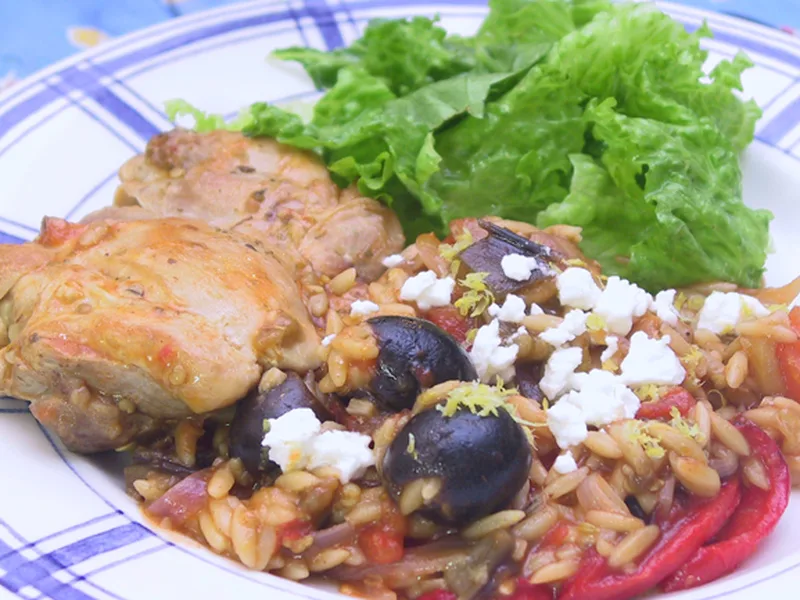
Greek Chicken With Orzo Pasta
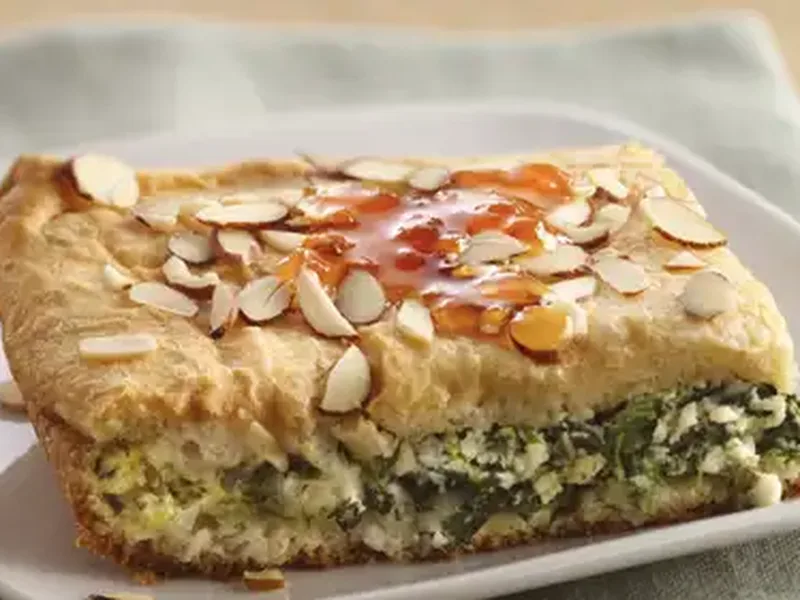
Spanakopita-Style Brunch Squares with Spicy Apricot Sauce
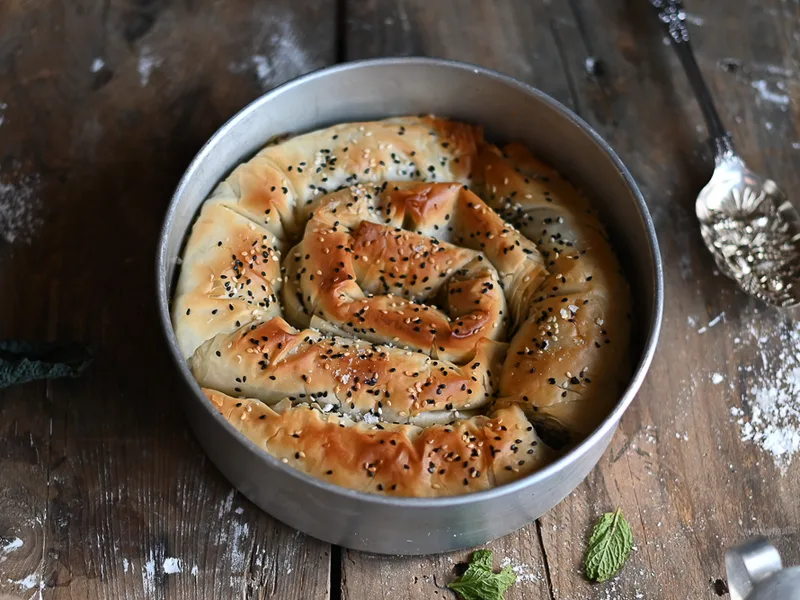
Crispy Kale Ricotta Spanakopita Pinwheel
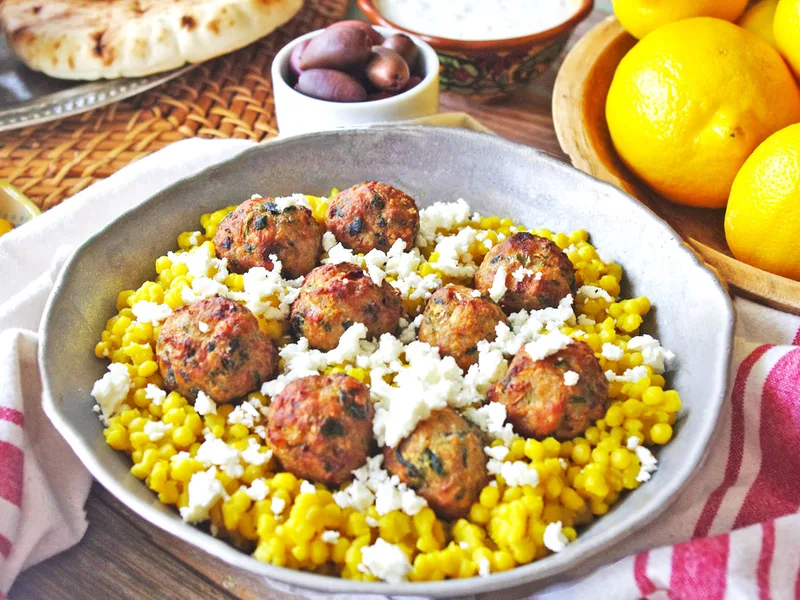
Greek Turkey Meatballs with Tzatziki and Couscous
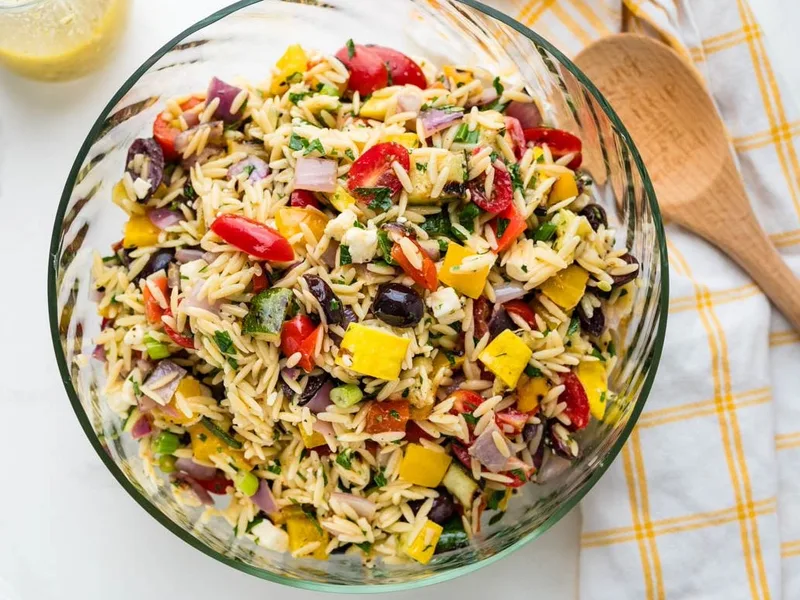
Grilled Greek Orzo Salad with Charred Vegetables
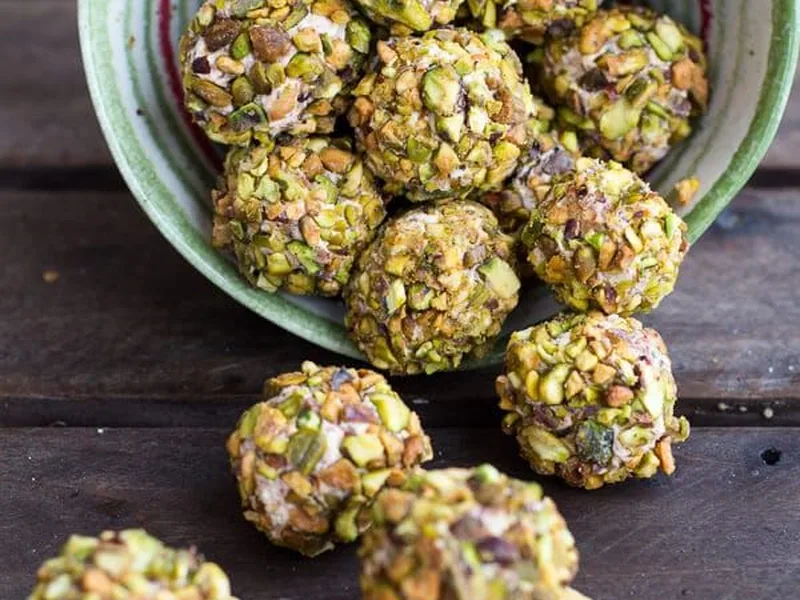
Feta Pistachio Truffles with Sundried Tomato
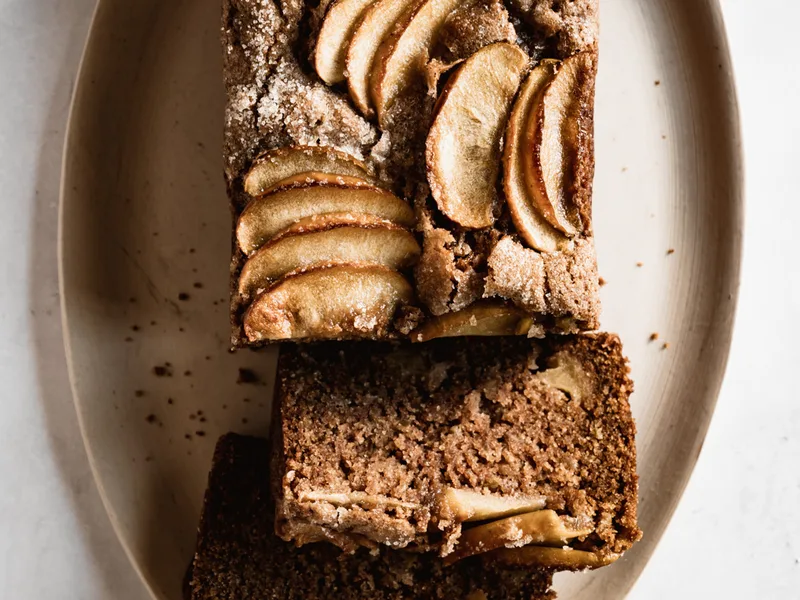
Greek Apple Bread with Cinnamon and Cardamom
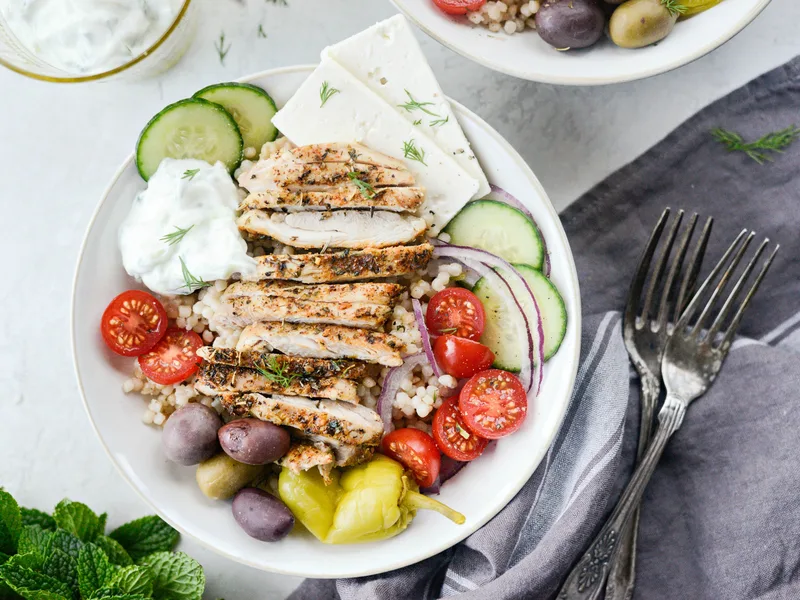
Greek Chicken Couscous Bowl with Roasted Chicken
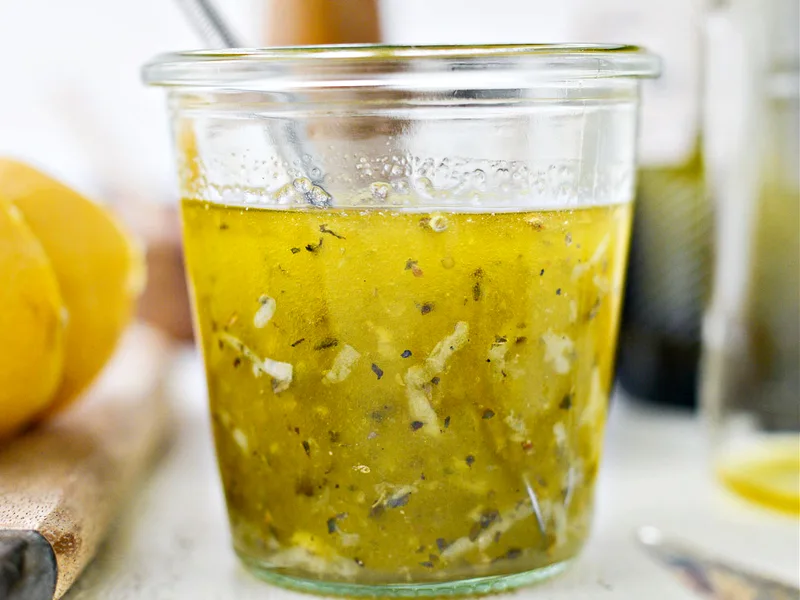
Grandma's Greek Dressing with Fresh Lemon
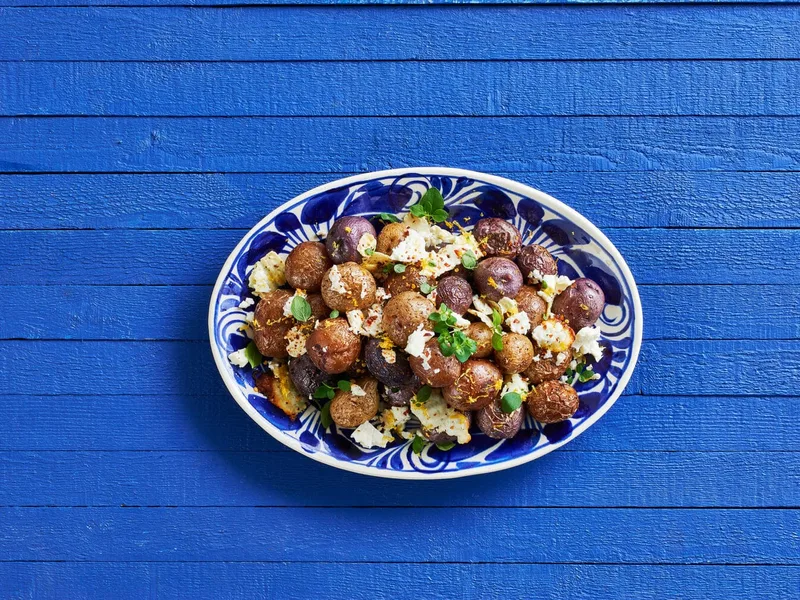
Greek Feta Roasted Potatoes with Lemon Oregano
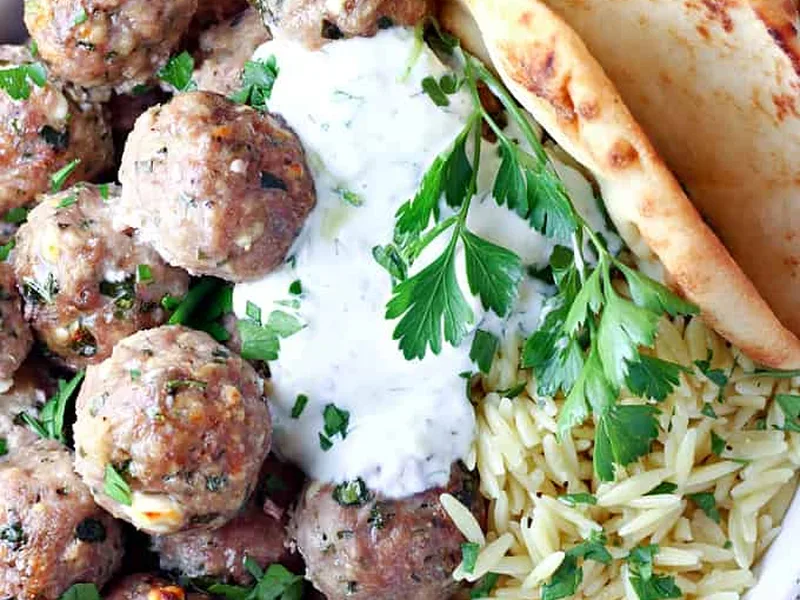
Greek Turkey Meatballs with Spinach and Feta - Oven Baked
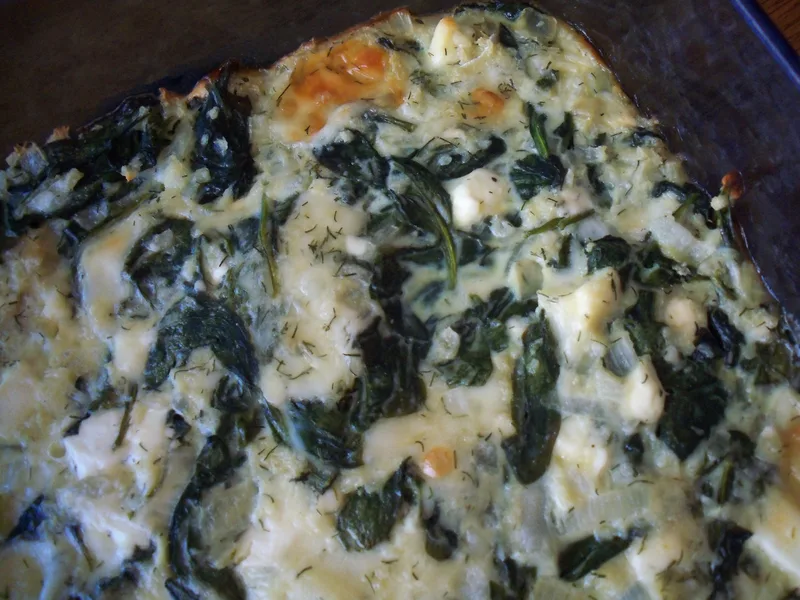
Baked Spinach With Three Cheeses
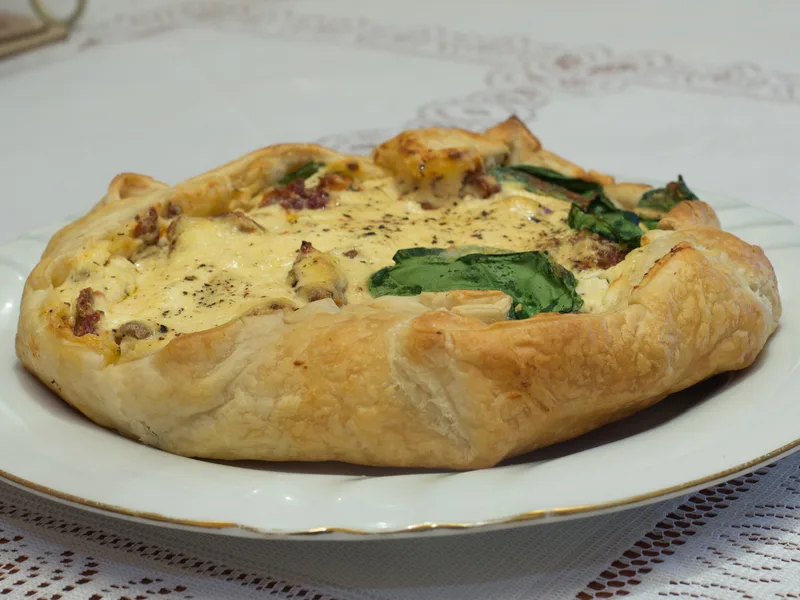
Feta Spinach Free-Form Pie with Puff Pastry
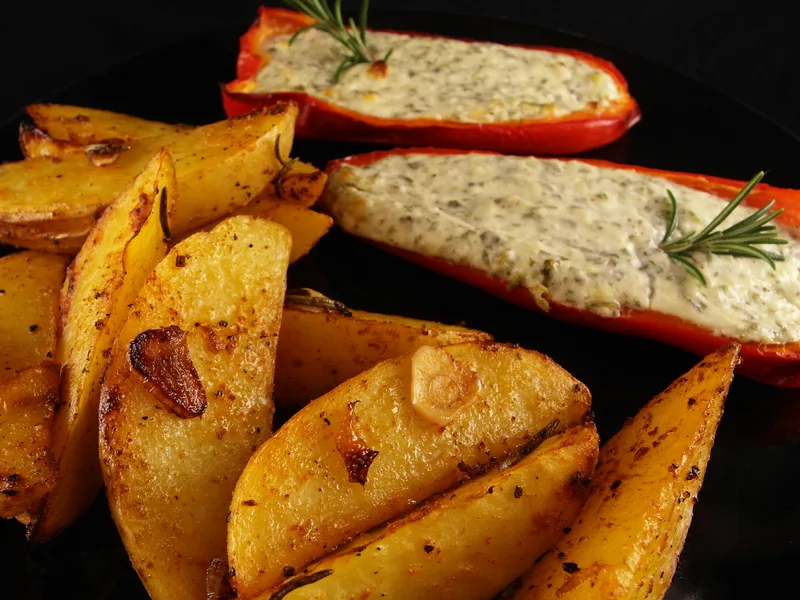
Roasted Red Peppers Stuffed with Feta and Lemon Herb Potatoes
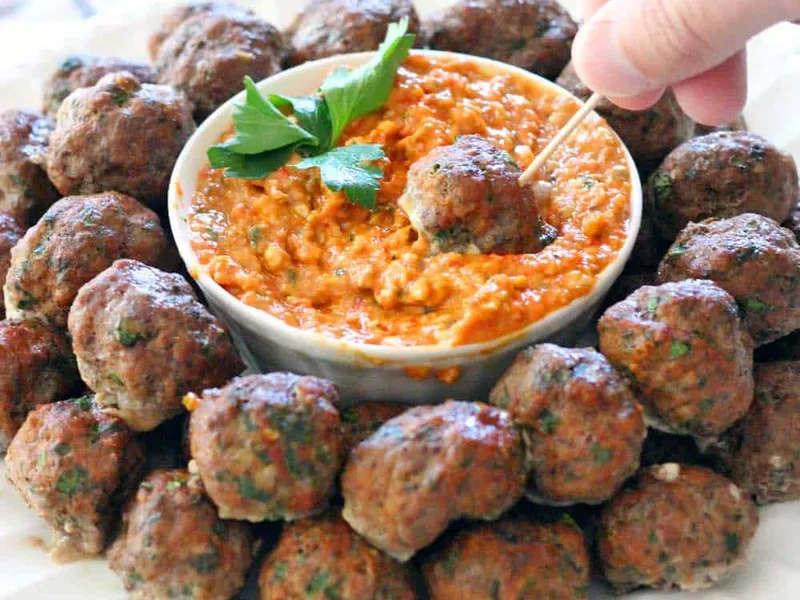
Greek Beef Meatballs with Romesco Sauce - Paleo Recipe
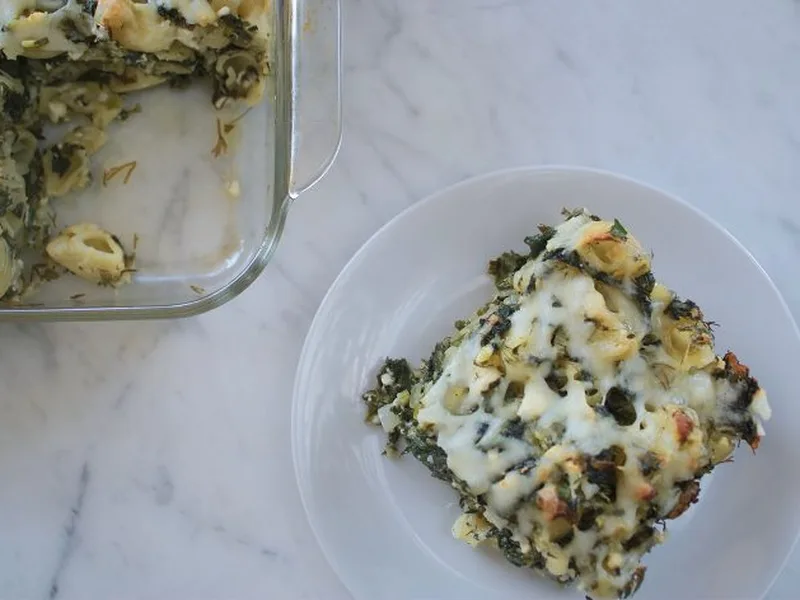
Greek Spinach Mac and Cheese Bake
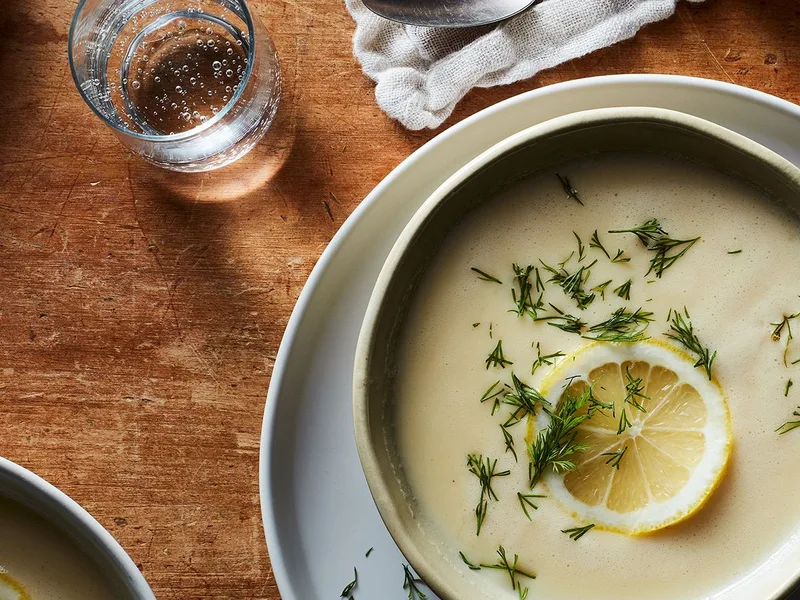
Greek Lemon Orzo Soup with Egg-Lemon Sauce (Avgolemono)
Greek food relies on olive oil, lemon, and herbs. That's it.
You'll use olive oil in 90% of dishes, from morning eggs to midnight snacks. Real Greek cooking means pouring it generously, not drizzling. A proper horiatiki salad needs 3 tablespoons minimum. Moussaka takes half a cup just for the meat sauce.
Lemon juice appears everywhere too. Greeks squeeze it on grilled fish, roasted lamb, stuffed vegetables, even french fries. Buy lemons by the dozen. You'll need them.
Dried oregano defines the flavor more than any other herb. Greeks call it rigani and sprinkle it on everything from feta to roasted potatoes. Fresh herbs matter less here than in Italian cooking. Dried oregano, dried mint, dried dill do most of the work.
Feta cheese shows up in salads, pies, dips, and baked dishes. Real feta comes packed in brine, not vacuum-sealed plastic. The texture should crumble but still feel creamy. Cheaper cow's milk versions taste nothing like proper sheep and goat milk feta.
Greek cooking techniques stay simple. You'll roast vegetables at 400F until edges char. You'll simmer beans and lentils low and slow, often 2-3 hours. You'll wrap things in phyllo dough and bake until golden. Most meat gets marinated in lemon juice, olive oil, and oregano before grilling or roasting.
Phyllo work takes practice. Keep unused sheets covered with a damp towel. Brush each layer with melted butter or olive oil. Work fast. The sheets dry out in minutes.
This food suits people who like bold, direct flavors. Nothing subtle here. Garlic goes in by the head, not the clove. Lemon juice by the cup, not the teaspoon. If you prefer delicate French sauces or complex Asian spice blends, Greek food might bore you.
But if you want to feed a crowd without fussing, Greek recipes deliver. Most dishes taste better the next day. Many serve well at room temperature. You can prep components ahead and assemble later.
Essential Ingredients
Key Techniques
FAQ
Why does my spanakopita get soggy?
Too much liquid in the filling ruins phyllo. Squeeze spinach until completely dry. Cook filling until no moisture remains, about 10 minutes over medium heat. Use 10-12 phyllo sheets on bottom, only 6-8 on top. Bake at 375F on the bottom rack for 45 minutes until deeply golden.
What olive oil should I buy for Greek cooking?
Use two types. Extra virgin for salads and finishing, regular for cooking. Greeks use about 1 liter per week for a family of four. Look for Kalamata or Crete origins. Price range $15-25 per liter indicates good quality. Anything under $10 per liter lacks flavor.
How do I prevent phyllo from tearing?
Thaw frozen phyllo for 24 hours in the fridge, then 2 hours at room temperature. Never microwave. Work with 1 sheet at a time, keeping others under a barely damp towel. Tears happen. Patch with another piece brushed with butter. No one notices after baking.
Can I make Greek dishes less oily?
Reducing olive oil ruins the dish. Greek food needs fat to taste right. A proper moussaka uses 1 cup olive oil total. Spanakopita needs 3/4 cup melted butter. Cut portions instead of oil. Serve with plain yogurt and raw vegetables to balance richness.