International Recipes
6 recipes
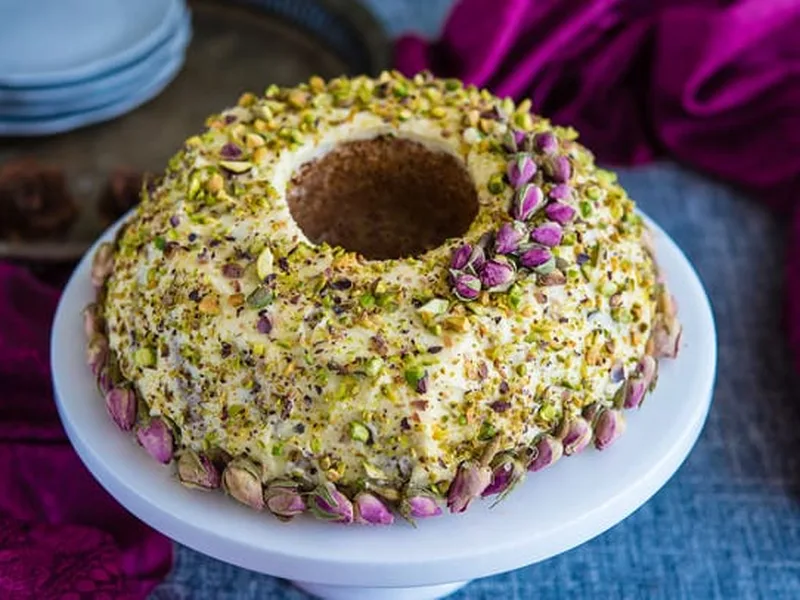
Cardamom Rosewater Pistachio Bundt Cake
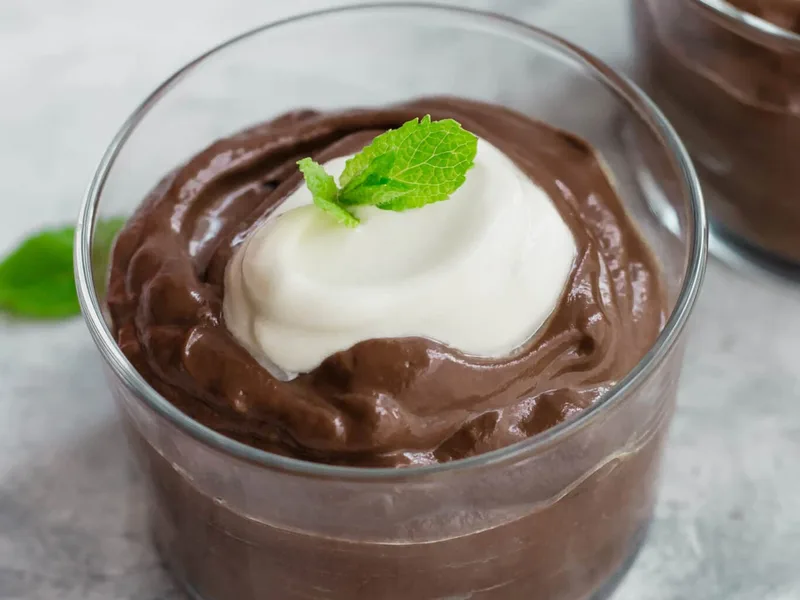
Easy Keto Chocolate Avocado Mousse with Cream Cheese
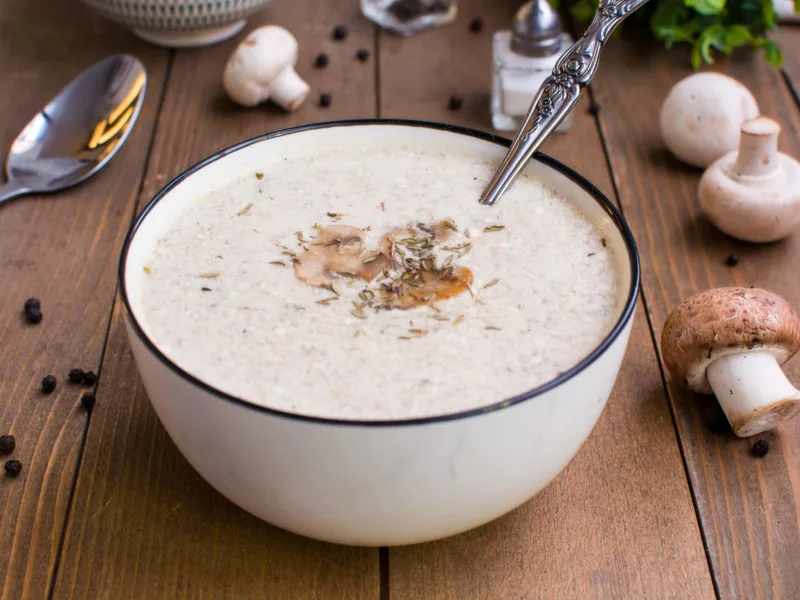
Easy Low-Carb Mushroom Soup with Heavy Cream
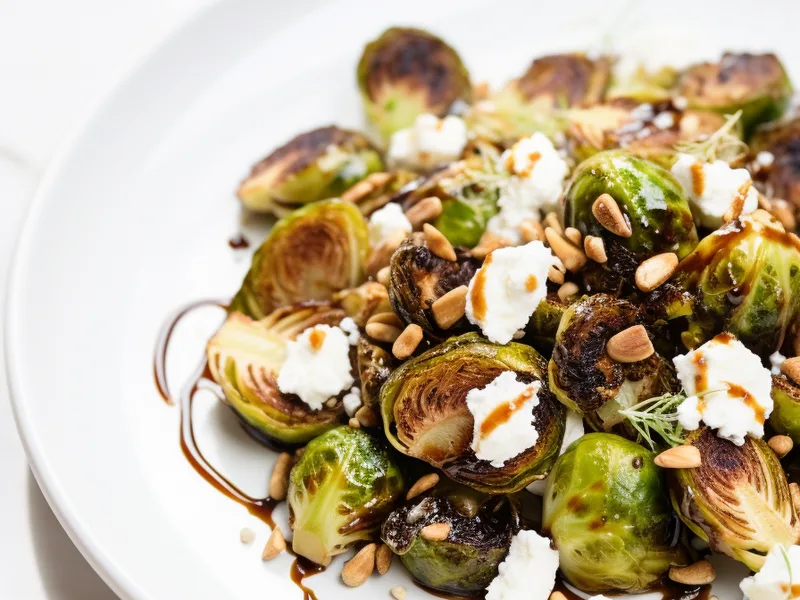
Low-Carb Balsamic Fig Roasted Brussels Sprouts with Feta
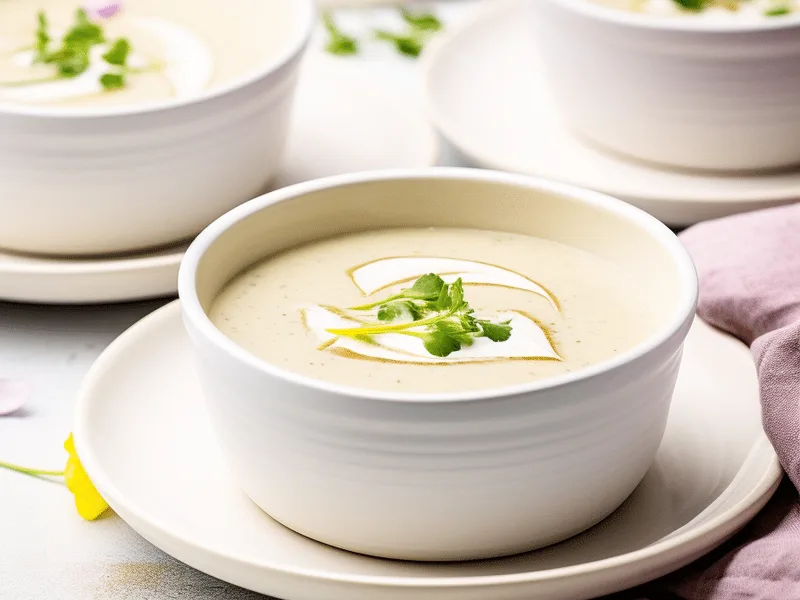
Roasted Cauliflower Truffle Oil Soup with Heavy Cream
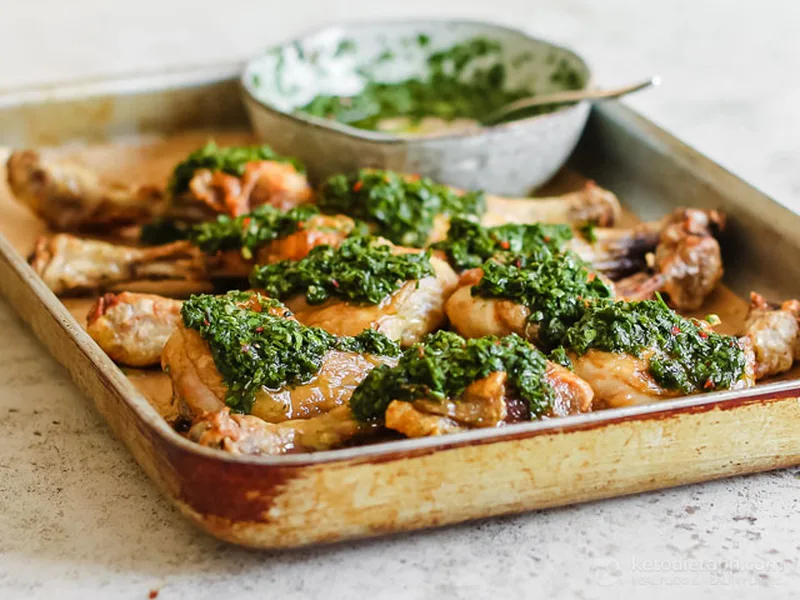
Air-Fryer Butterflied Chicken Drumsticks with Chimichurri
International cuisine brings together recipes from everywhere. No single style defines it. You'll find Korean kimchi fried rice next to Mexican street corn, Italian risotto alongside Japanese teriyaki.
This category works for home cooks who want variety. One night you're making shakshuka at 375F for 15 minutes. Next night? Thai pad see ew in a screaming hot wok. The recipes share common techniques: roasting at 400-425F, quick sautés over medium-high heat, slow braises at 325F for 2-3 hours.
Most international dishes rely on pantry basics. Salt, olive oil, garlic, onions. These four ingredients appear in 80% of recipes here. Add soy sauce, fish sauce, tomato paste, and dried spices to cover another 15%. The remaining 5% need specialty items like gochujang or harissa.
Flavor balance matters more than authenticity. A good pad thai needs 2:1:1 ratio of tamarind to palm sugar to fish sauce. Carbonara requires 1/4 cup pasta water per serving to create the right sauce consistency. Indian curries bloom when you toast whole spices for 30-45 seconds before grinding.
Start simple. Pick cuisines with overlapping ingredients. Italian and Greek share olive oil, garlic, tomatoes, oregano. Chinese and Korean both use soy sauce, sesame oil, ginger, scallions. Build your pantry gradually.
This collection spans breakfast to dessert. Apple cake bakes at 350F for 35-40 minutes. Butterflied chicken drumsticks need 25 minutes at 425F. Dark chocolate bark sets in 20 minutes in the freezer. Each recipe lists exact times and temperatures.
Forget restaurant versions. These recipes work in home kitchens with standard equipment. A 12-inch skillet, a Dutch oven, sheet pans, basic knives. No wok burners hitting 150,000 BTUs. No tandoor ovens reaching 900F. Just practical adaptations that taste great.
Essential Ingredients
Key Techniques
FAQ
What cookware do I need for international cooking?
A 12-inch skillet handles 90% of recipes. Add a 5-quart Dutch oven for braises and stews. Sheet pans work for roasting at 400-425F. A good 8-inch chef's knife speeds prep. Woks are nice but optional. Carbon steel or cast iron skillets reach 500F+ for proper searing. Nonstick pans work below 400F only.
How do I know which cuisine a recipe belongs to?
Look at the fat, acid, and aromatics. Italian uses olive oil, tomatoes, basil. Thai combines coconut milk, lime juice, lemongrass. Mexican relies on lard or vegetable oil, lime, cilantro. Indian recipes bloom spices in ghee or oil first. Japanese keeps flavors clean with dashi, mirin, and soy in 4:2:1 ratio.
Can I substitute ingredients between cuisines?
Some swaps work. Lime juice replaces lemon at 3/4 the amount. Shallots substitute for onions using half the quantity. Others fail completely. Fish sauce and soy sauce taste nothing alike despite both being salty. Coconut milk can't replace heavy cream in European sauces. Test substitutions in small batches first.
What's the best way to learn international cooking?
Master 5 dishes from one cuisine before moving on. Learn the base flavor ratios. Korean uses 2:1:1 soy sauce to sugar to sesame oil. Italian tomato sauce needs 1/4 teaspoon salt per cup of tomatoes. Practice knife skills with each cuisine's typical cuts. French brunoise at 1/8 inch, Chinese julienne at 2 inches long.