Grilled Recipes
504 recipes
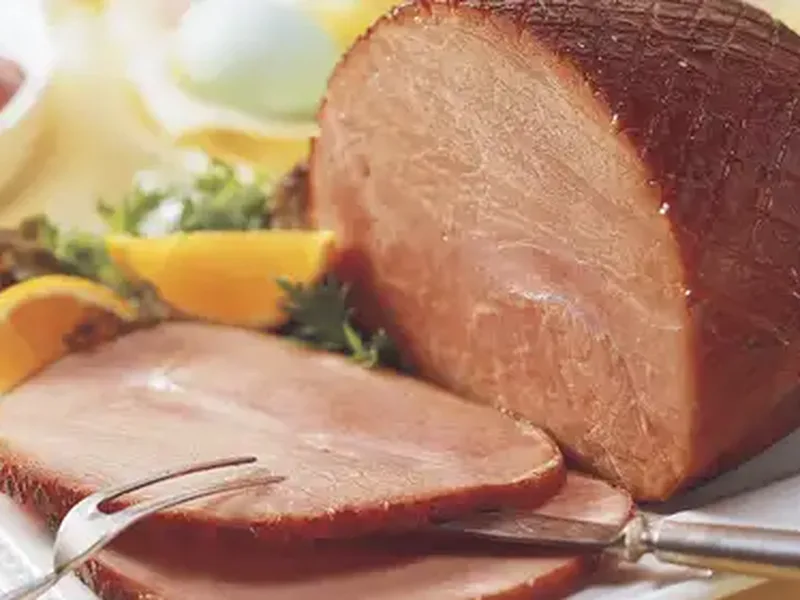
Grilled Orange-Glazed Ham with Barbecue Sauce
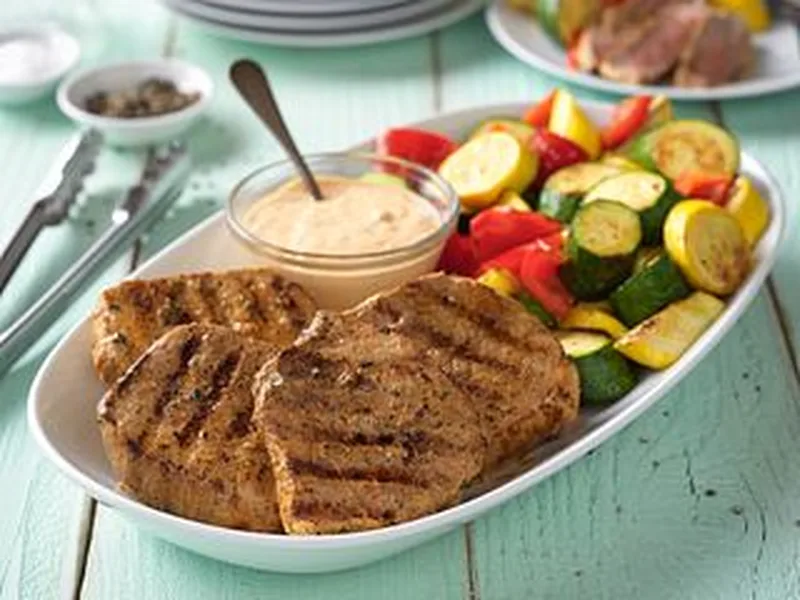
Garlic-Yogurt Marinated Eye of Round Steaks
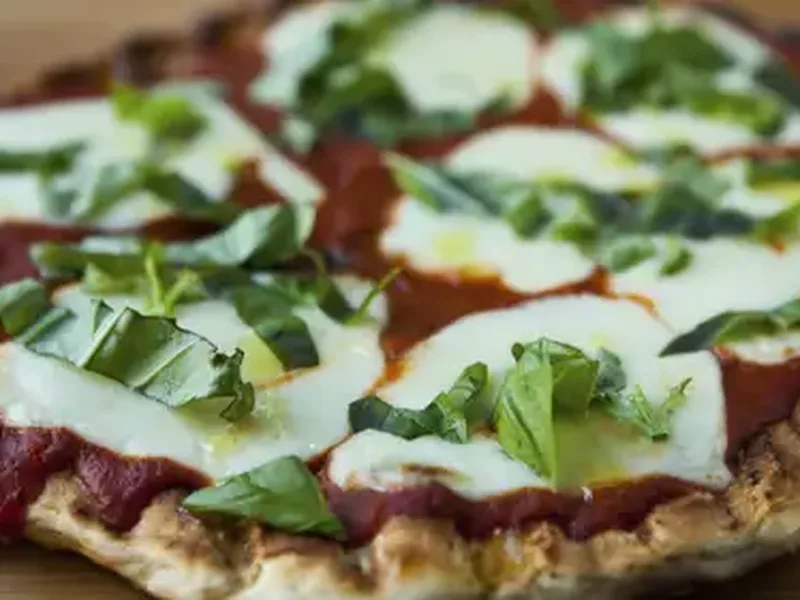
Grilled Bisquick Margherita Pizza with Fresh Mozzarella
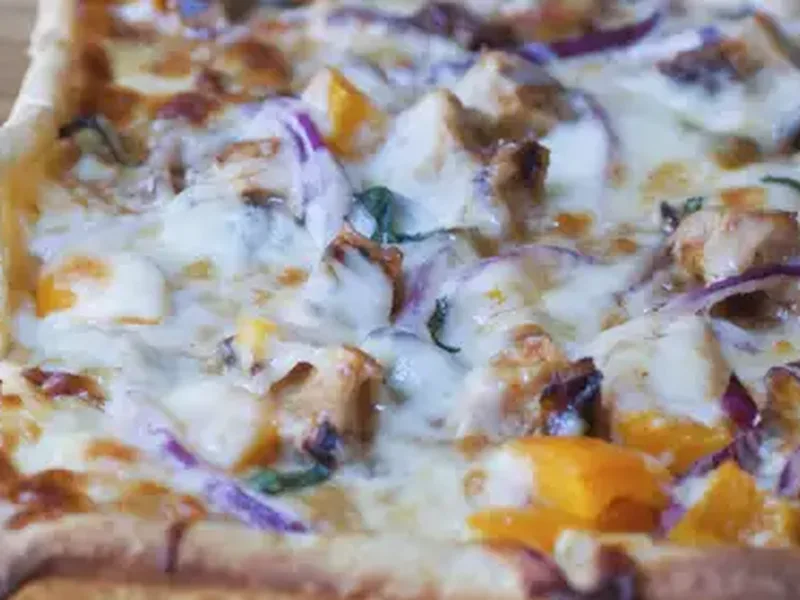
Grilled Bourbon-Chicken Pizza with Chipotle Barbecue Sauce
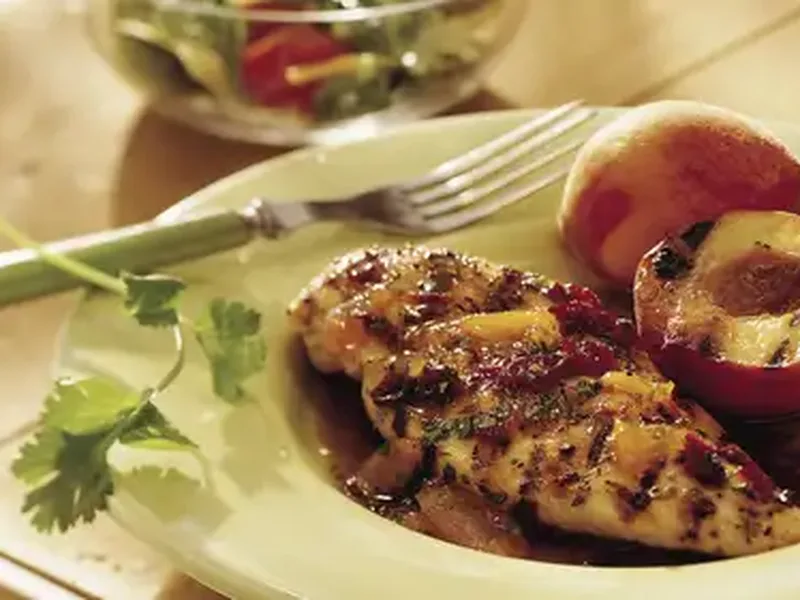
Grilled Chicken with Smoky Chipotle-Peach Glaze
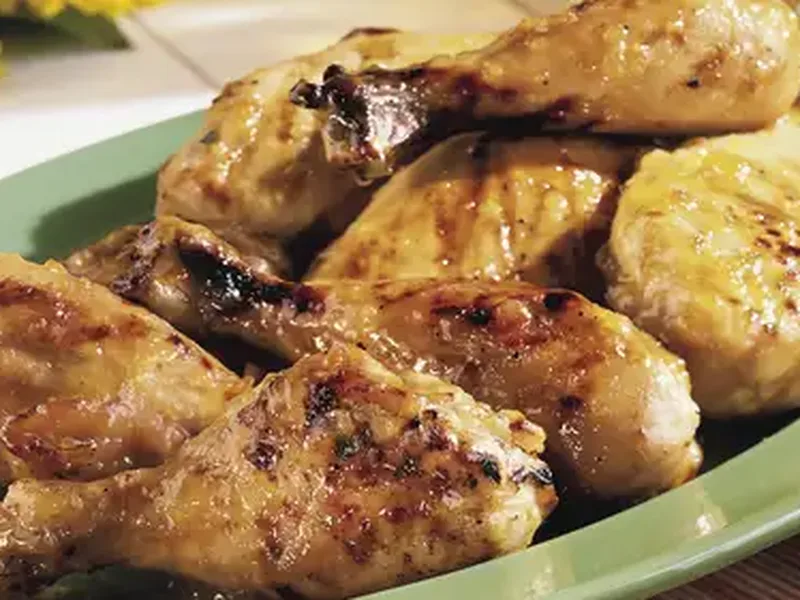
Grilled Chicken with Spicy Peach Glaze
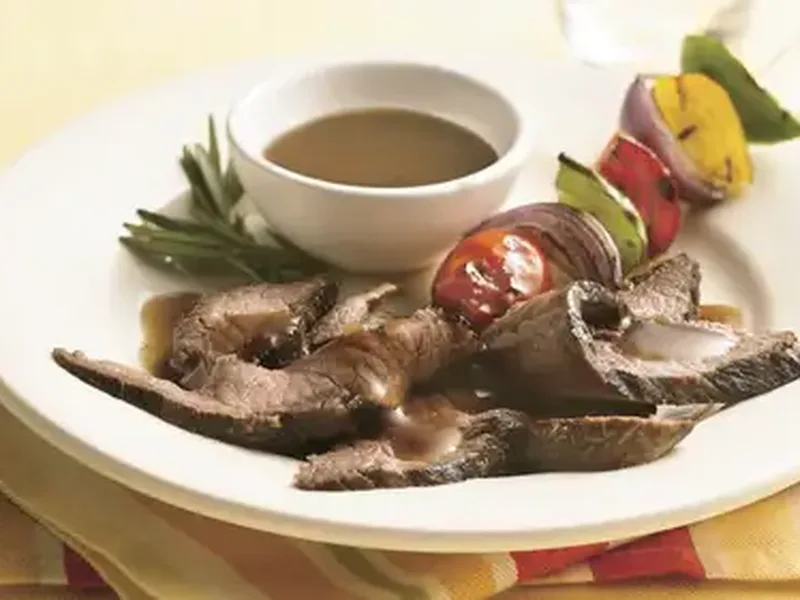
Grilled Flank Steak with Rosemary-Balsamic Glaze
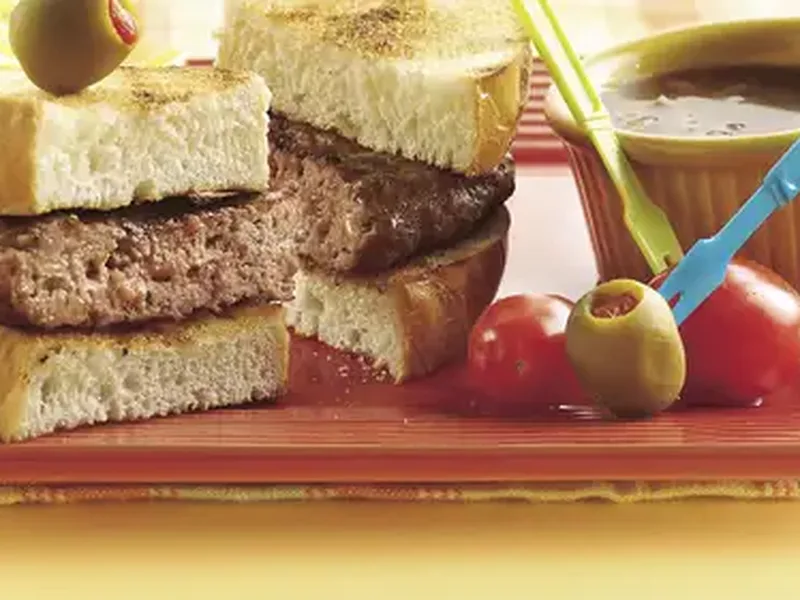
Grilled French Dip Burgers with Onion Soup Broth
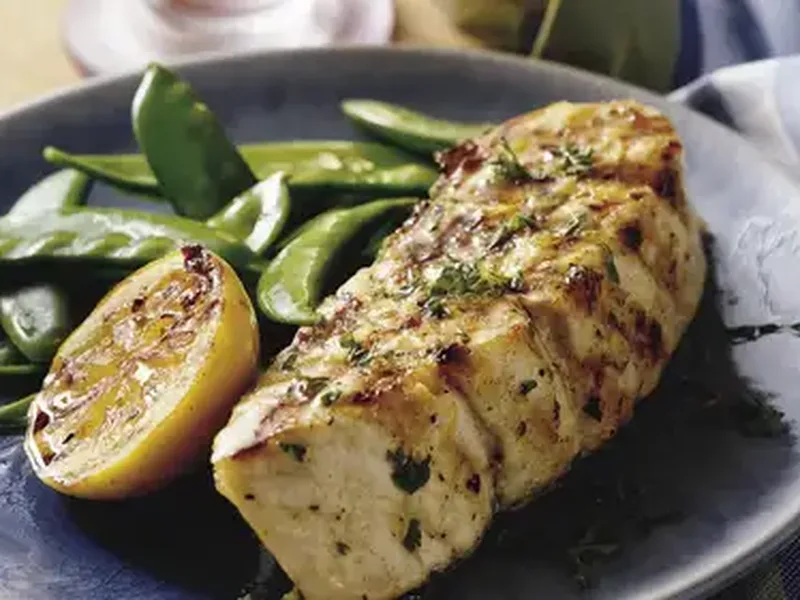
Grilled Lemon Garlic Halibut Steaks with Fresh Herbs
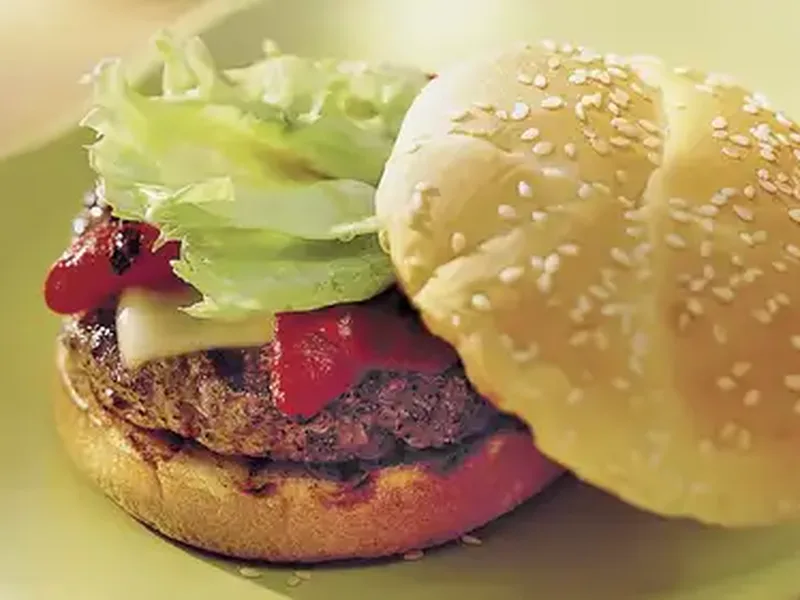
Garlic Dijon Ground Beef Burgers with Monterey Jack
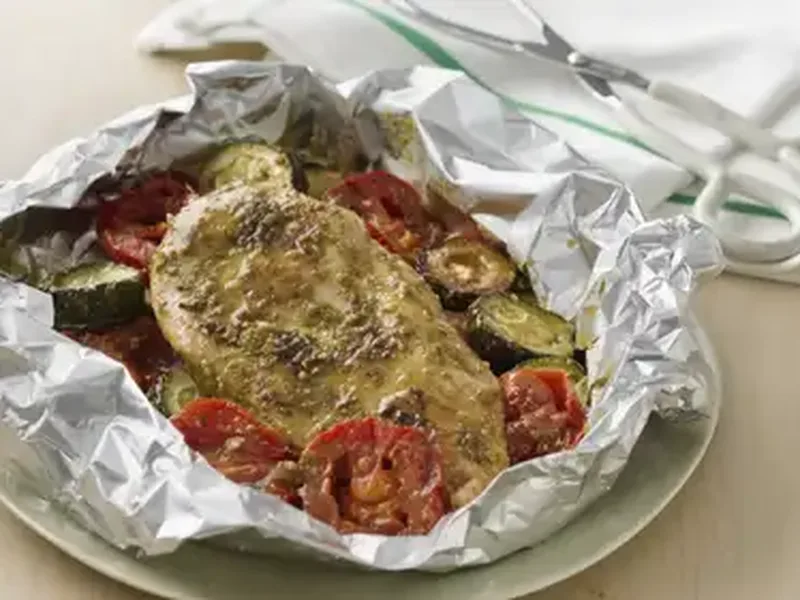
Grilled Pesto Chicken Foil Packets with Zucchini and Tomatoes
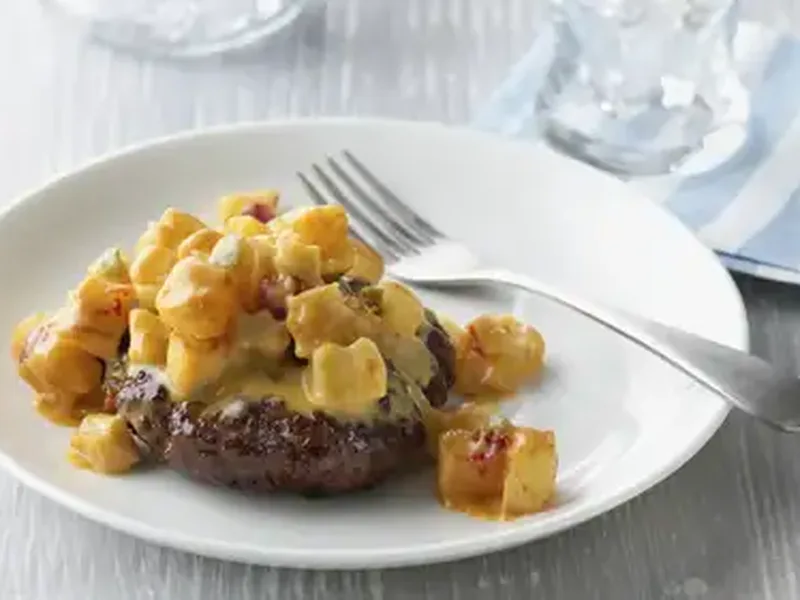
Grilled Taco Burger and Potato Foil Packs
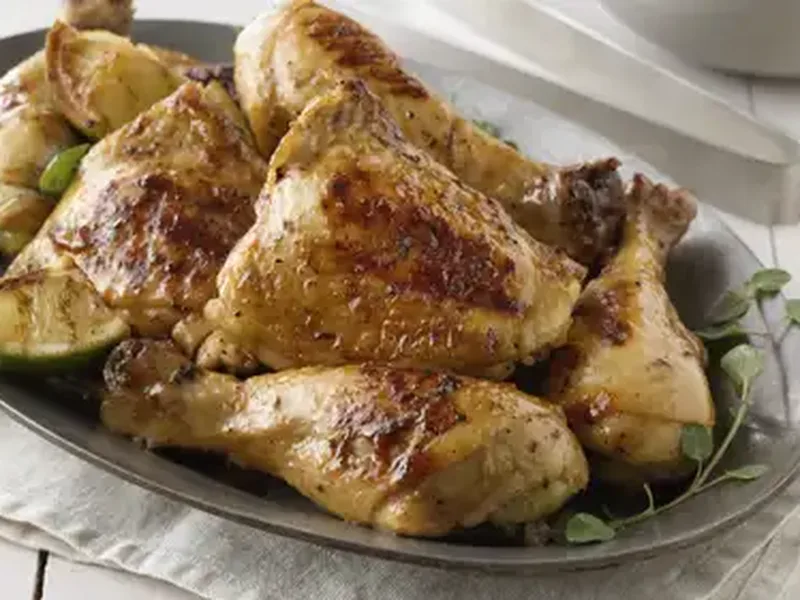
Grilled Three-Herb Marinated Chicken Thighs and Drumsticks
Grilled Vegetable Pasta Salad with Italian Dressing
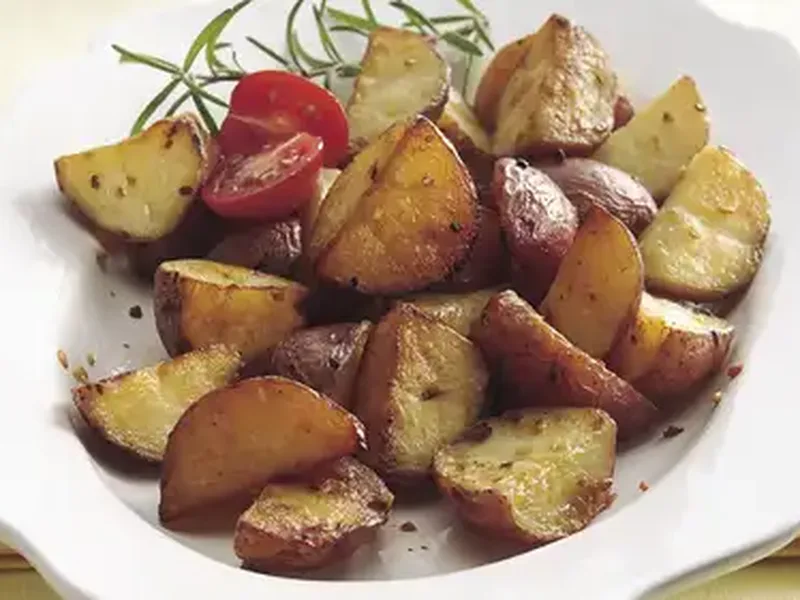
Seasoned Grilled New Potatoes with Garlic Butter
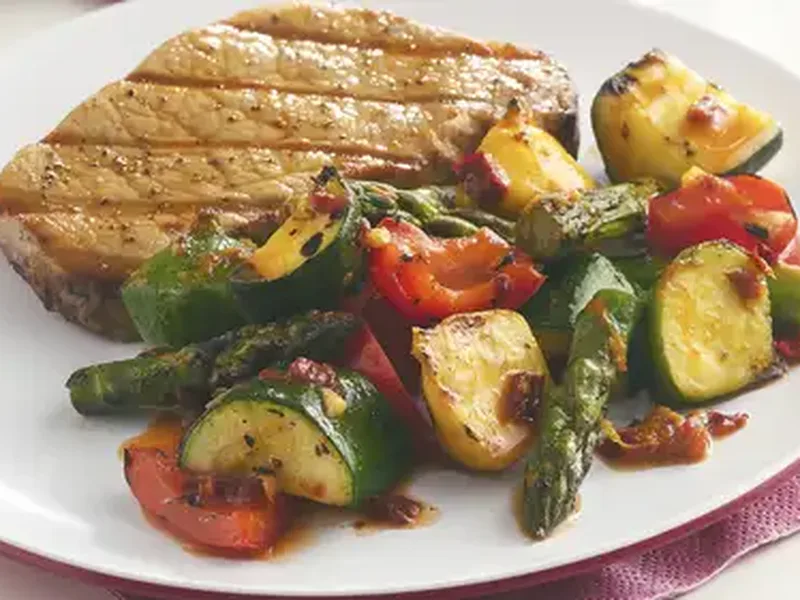
Spicy Chipotle Grilled Vegetables with Orange
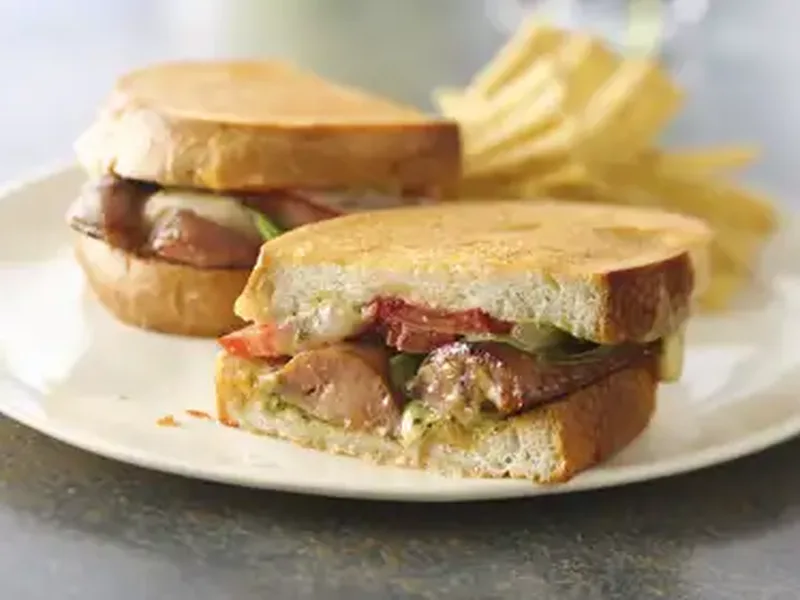
Toasted Pesto Chicken Sausage Sandwiches with Provolone
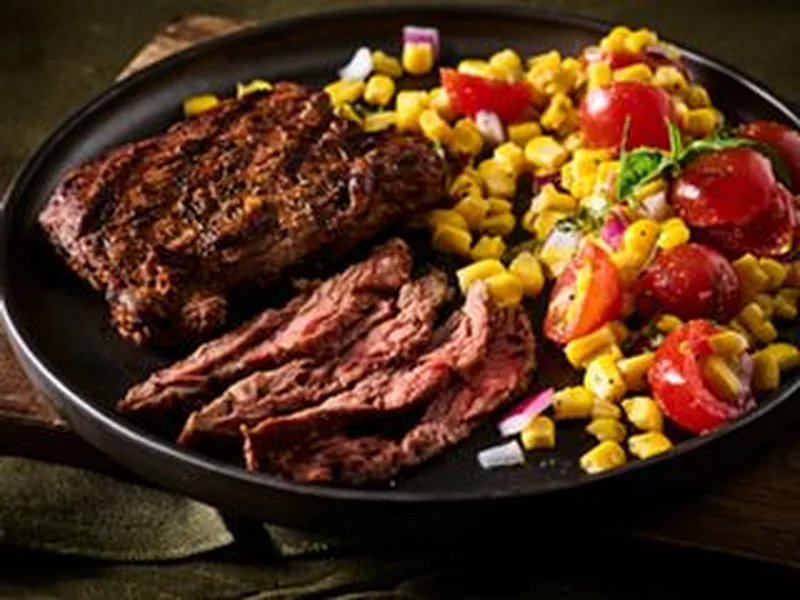
Cowboy Marinated Skirt Steak with Corn Salad
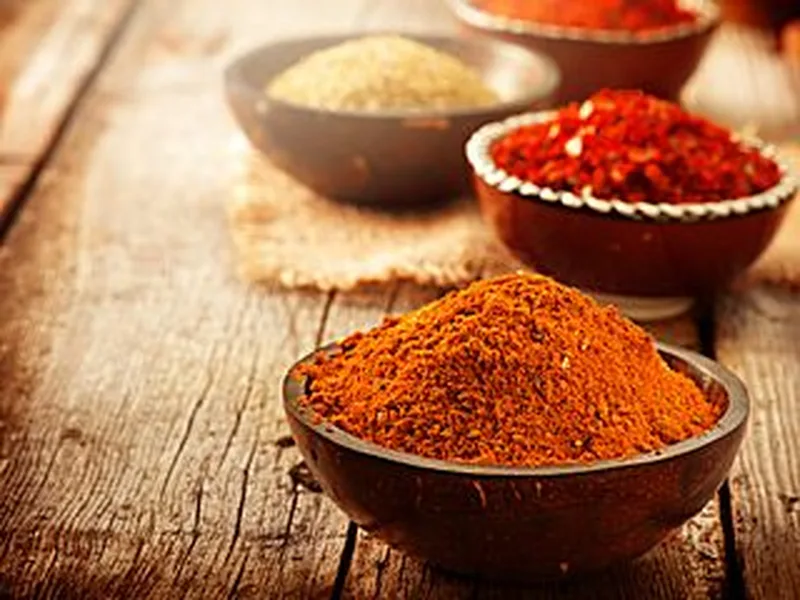
Cowboy Steak and Roast Seasoning Rub with Paprika and Herbs
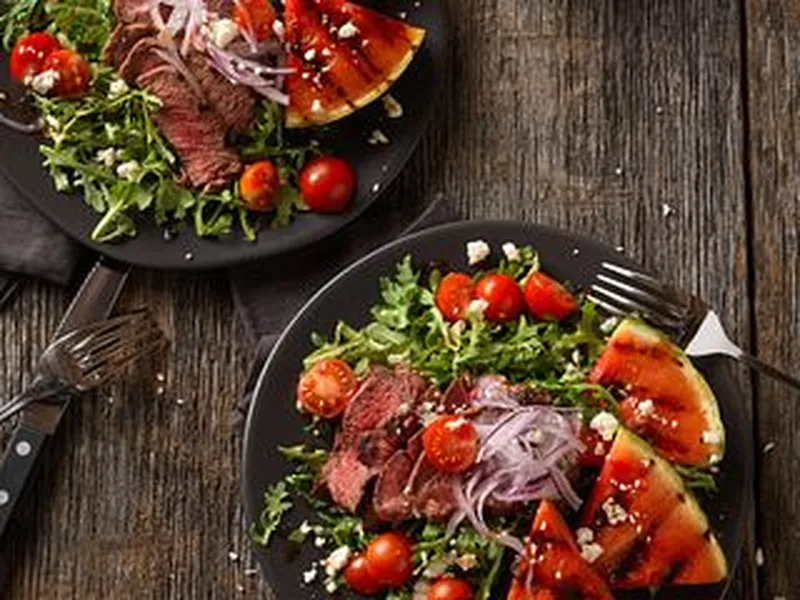
Grilled Beef Tenderloin and Watermelon Salad with Arugula
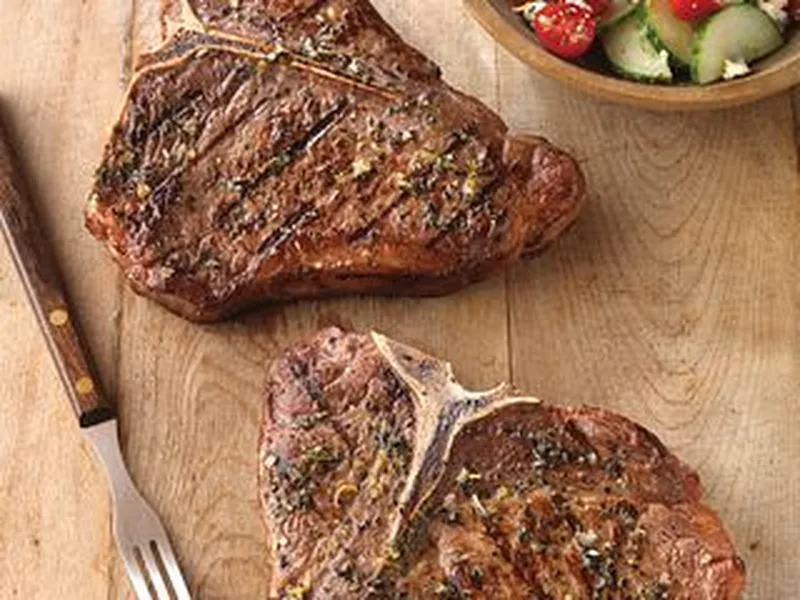
Greek-Seasoned T-Bone Steaks with Cucumber Tomato Salad
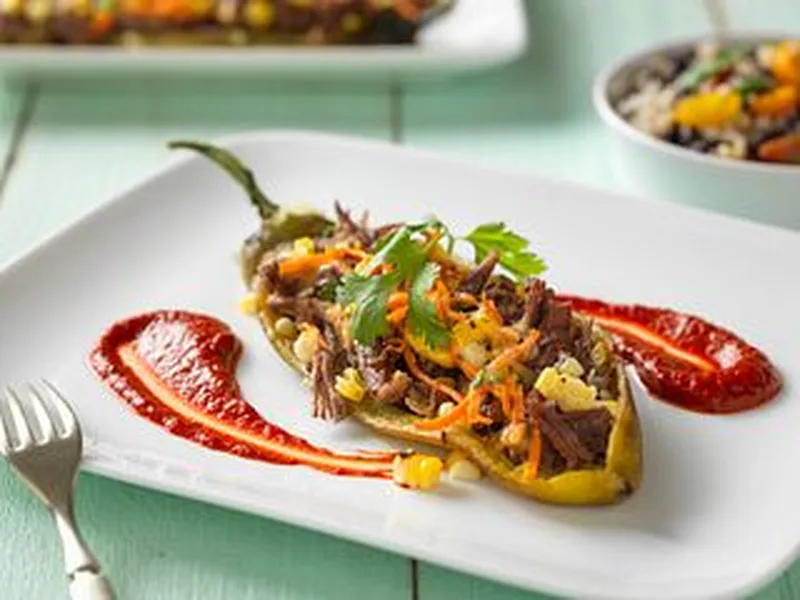
Pressure Cooker Shredded Beef Chile Rellenos with Guajillo
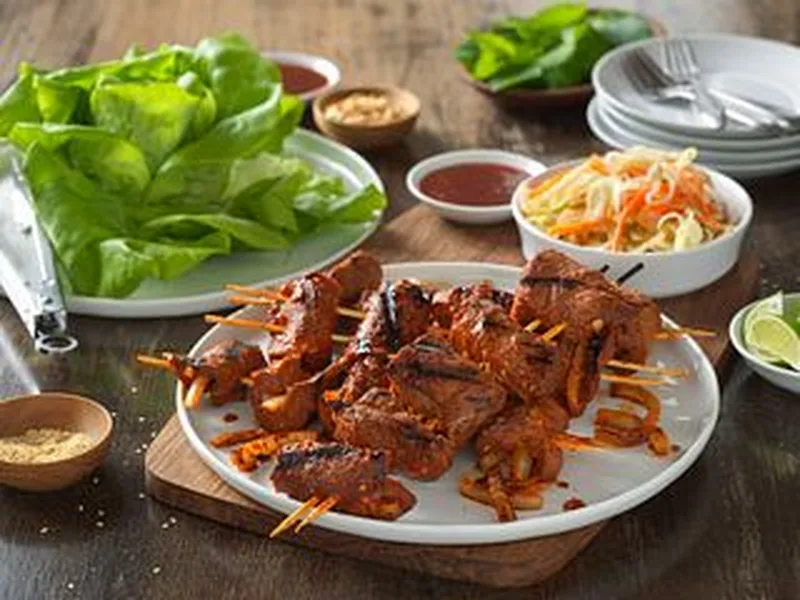
Korean Flat Iron Steak Lettuce Wraps with Pickled Vegetables
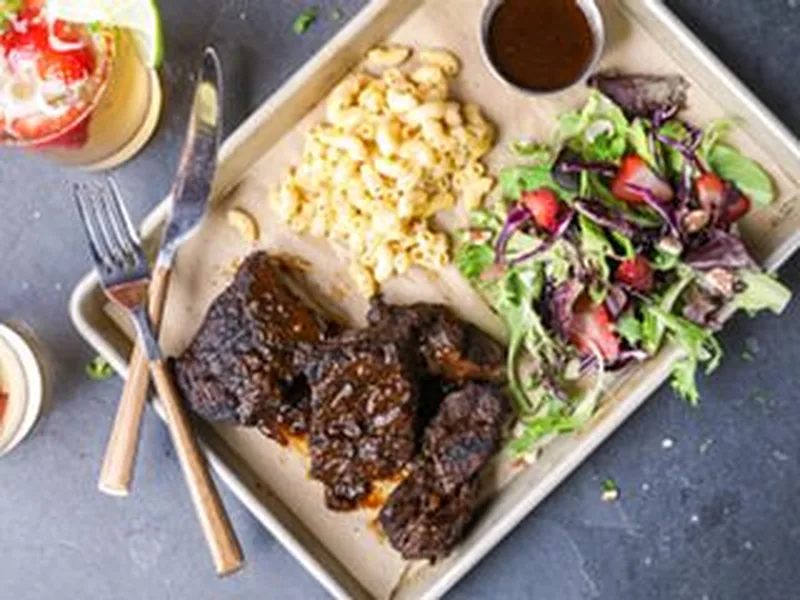
Bourbon BBQ Short Ribs with Smoky Tomato Glaze
Grilling puts food directly over high heat, usually between 400°F and 550°F. The metal grates leave char marks while the intense heat creates a crispy exterior and keeps the inside moist. Gas grills give you instant heat control. Charcoal grills reach 700°F and add smoke flavor, but take 15 to 20 minutes to heat up. Direct grilling works for foods under 1 inch thick that cook in less than 25 minutes. Indirect grilling handles larger cuts by placing them away from the flames. The average grilled recipe takes 59 minutes total, including prep time. Most grilled dishes use simple seasonings like salt, pepper, and garlic because the cooking method itself adds so much flavor. Olive oil prevents sticking and helps seasonings adhere. You'll use grilling for 3 out of 4 main courses during summer months. The method works equally well for vegetables, which caramelize beautifully at 425°F. Portobello mushrooms become meaty. Bell peppers char and sweeten. Zucchini develops golden edges in 4 to 6 minutes per side. Grilling differs from broiling because the heat comes from below, not above. It beats pan-searing for multiple portions since a standard 22-inch grill fits 12 burgers at once. The dry heat concentrates flavors better than boiling or steaming. Food cooks faster than in a 350°F oven because the grates conduct heat directly. You control doneness by moving food between hot and cool zones. A two-zone fire keeps one side at 450°F for searing, the other at 250°F for slower cooking.
Equipment
FAQ
How hot should my grill be?
Most grilling happens between 400°F and 450°F, measured at grate level. Hold your hand 5 inches above the grates. If you can only keep it there for 2 to 3 seconds, you've hit the sweet spot. Searing needs 500°F or higher. Thicker cuts like 2-inch steaks use indirect heat around 300°F after the initial sear.
When should I oil the grates?
Oil the grates after heating to 400°F but before adding food. Fold a paper towel into quarters, dip in vegetable oil, then use tongs to wipe the hot grates. This prevents sticking for the next 2 to 3 batches of food. Skip this step if marinating in oil-based marinades with more than 3 tablespoons of oil per pound of food.
How do I know when to flip?
Food releases naturally when ready to flip, usually after 4 to 7 minutes depending on thickness. Forcing it tears the surface. Grill marks develop at 450°F in about 3 minutes. Only flip once for best results. Constant flipping drops the surface temperature by 50°F and prevents proper browning.
What's the difference between direct and indirect grilling?
Direct grilling places food right over the flames at 450°F to 550°F. Use it for items under 1 inch thick that cook in less than 25 minutes. Indirect grilling puts food next to the heat source at 250°F to 350°F, like using your grill as an outdoor oven. This method handles whole chickens, roasts, and anything needing more than 30 minutes to cook through.