Slow Cooker Recipes
369 recipes
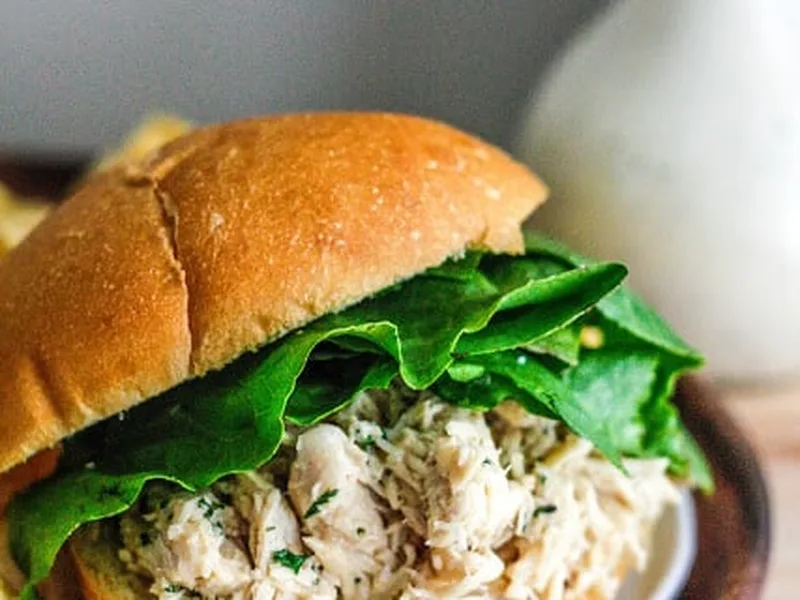
Slow Cooker Chicken Caesar Sandwiches with Parmesan
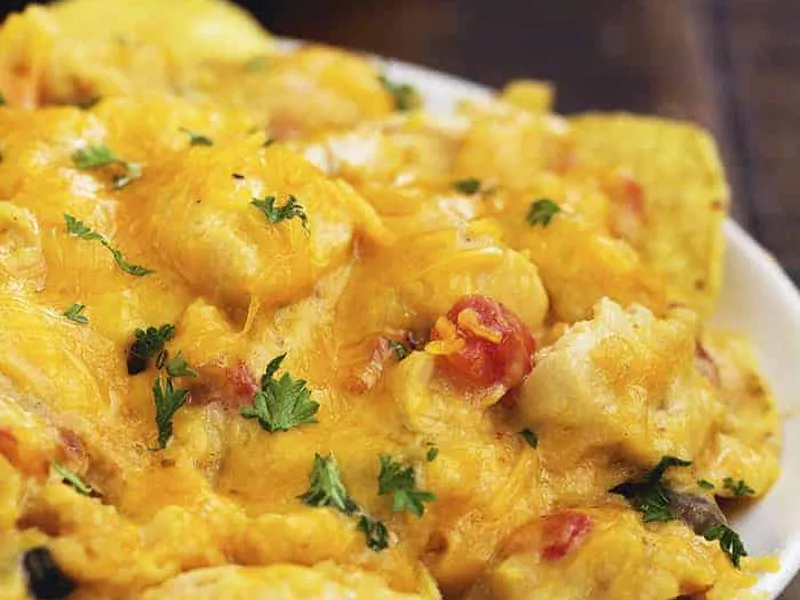
Slow Cooker Chicken King Ranch Casserole with Tortilla Chips
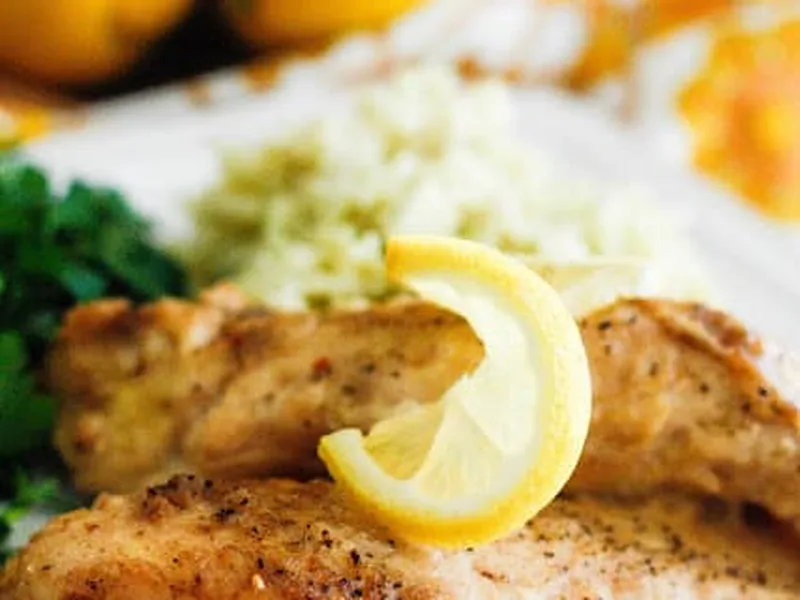
Slow Cooker Lemon Pepper Chicken with Italian Seasoning
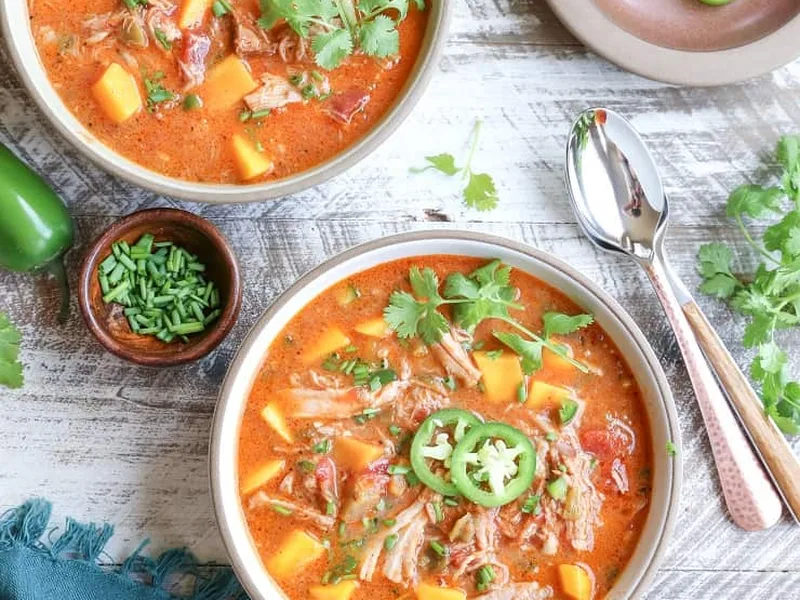
Slow Cooker Citrus Pork Chili with Mango
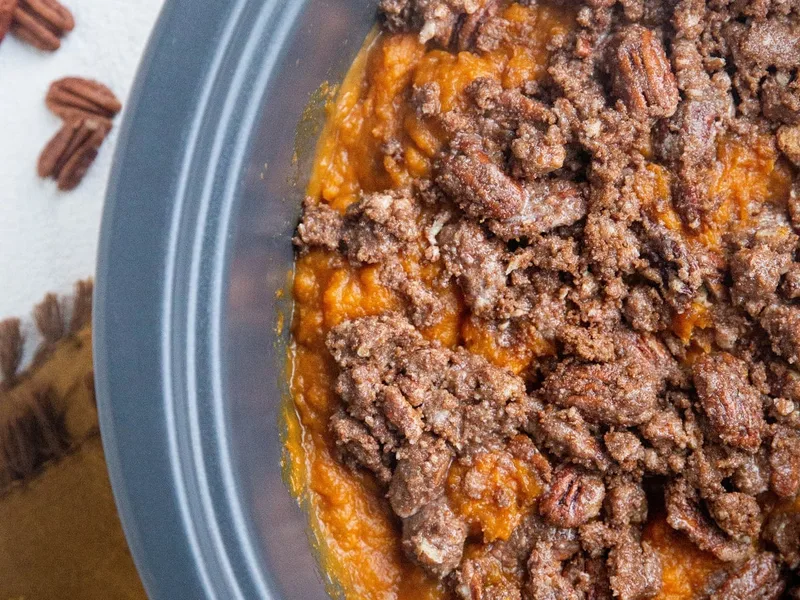
Slow Cooker Sweet Potato Casserole with Pecan Topping
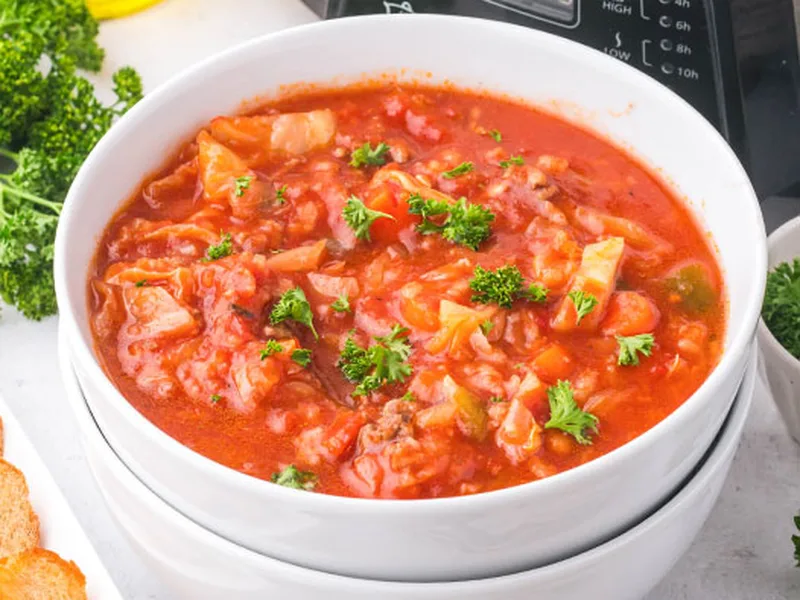
Slow Cooker Cabbage Roll Soup with Ground Beef and Rice
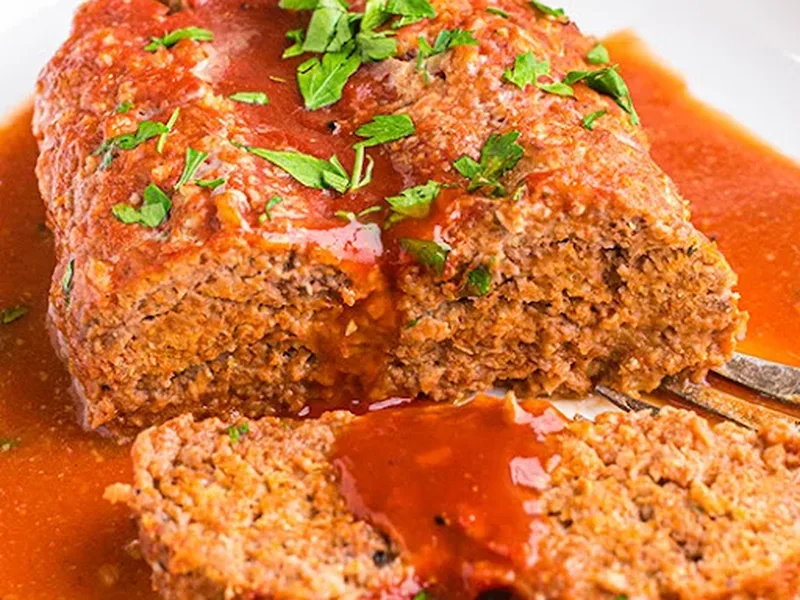
Slow Cooker Meatloaf with Sweet Tangy Glaze
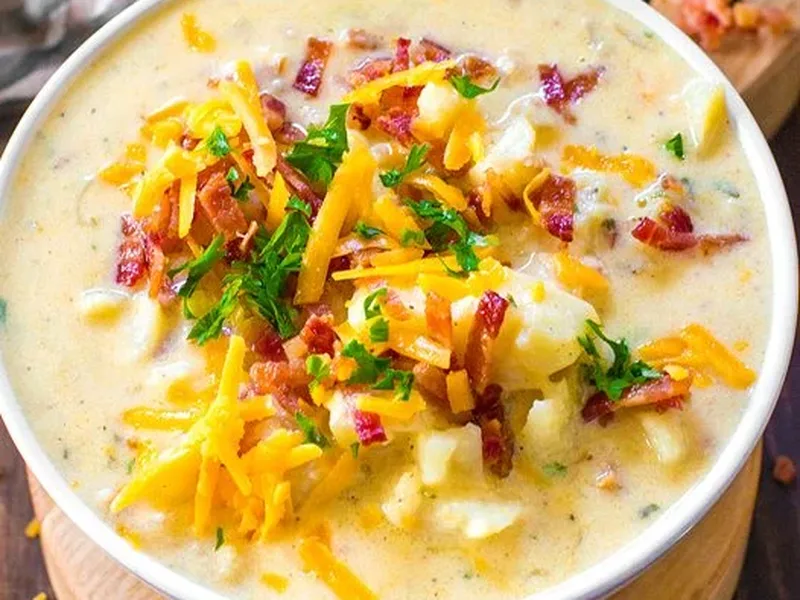
Slow Cooker Yukon Gold Potato Soup with Cheddar and Bacon
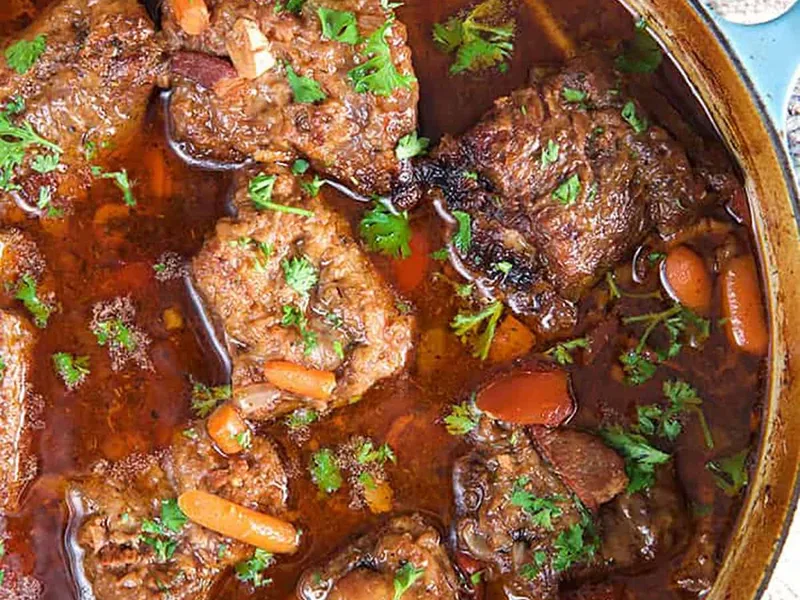
Slow Cooker Braised Short Ribs with Red Wine and Herbs
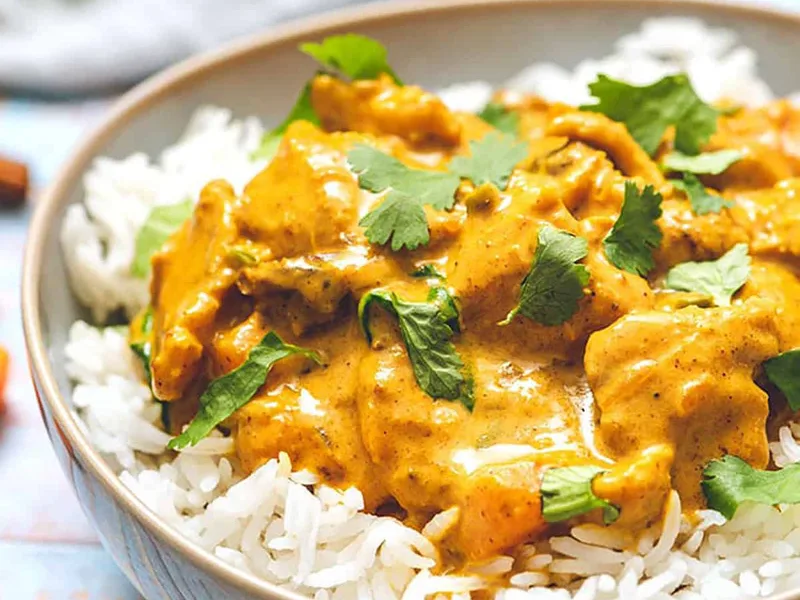
CrockPot Butter Chicken with Butternut Squash and Spices
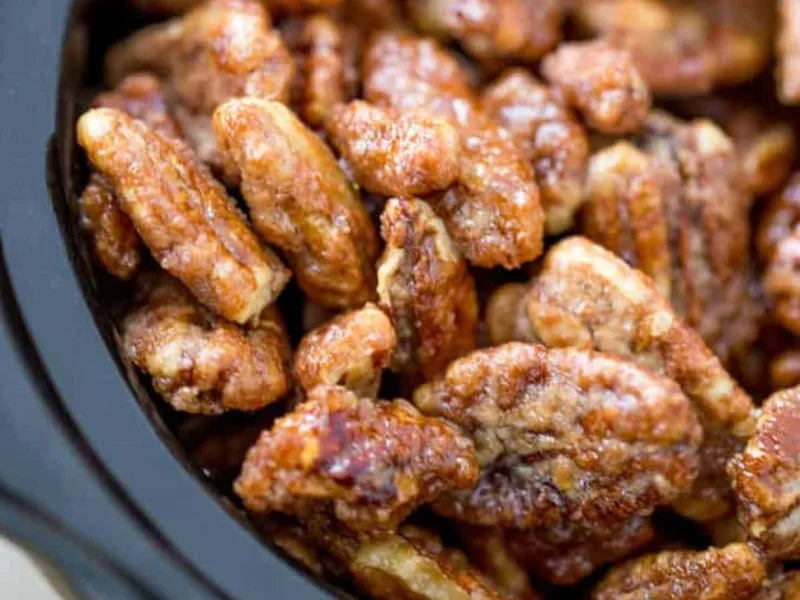
Slow Cooker Candied Cinnamon Pecans with Brown Sugar
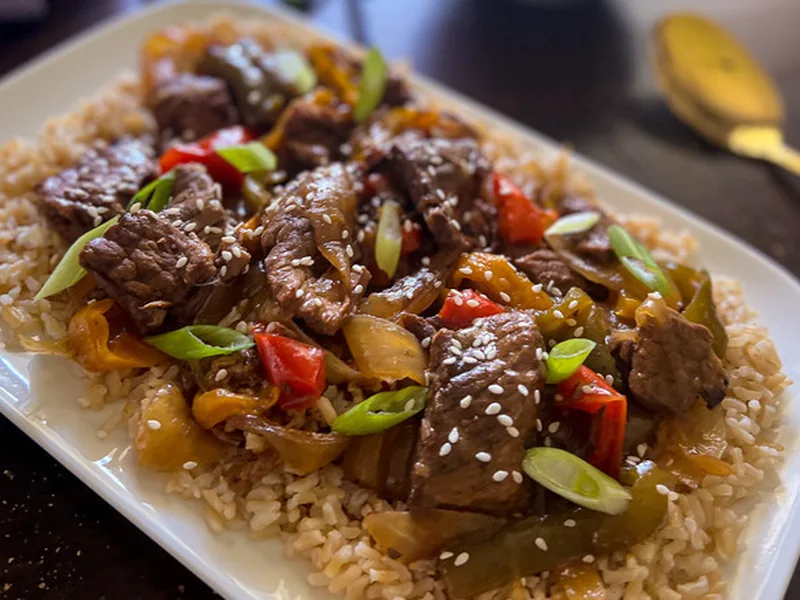
Slow Cooker Pepper Steak with Ginger and Honey
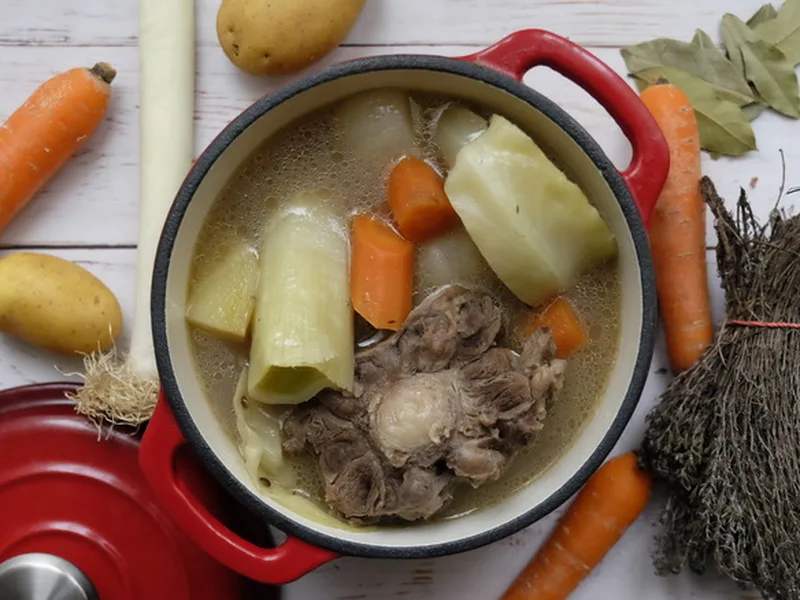
Pot-Au-Feu-Style Oxtail Soup with Root Vegetables
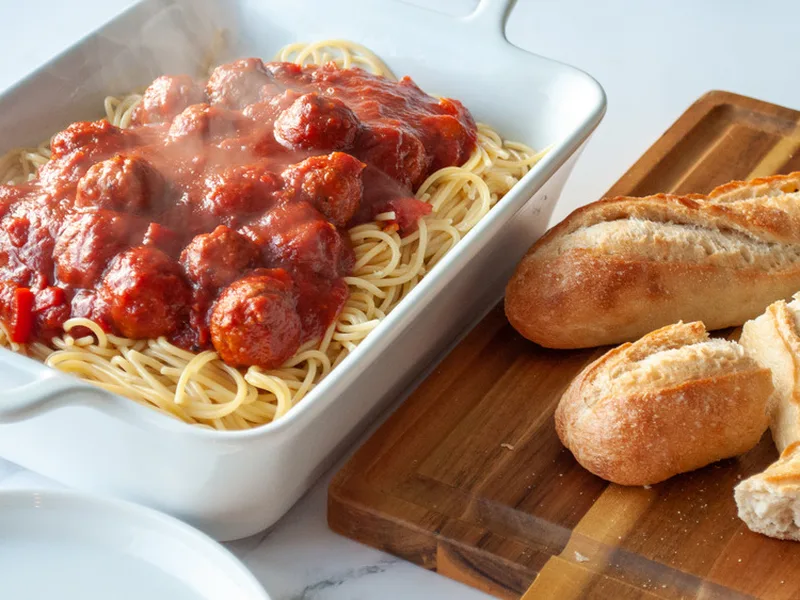
Slow-Cooker Spaghetti and Meatballs
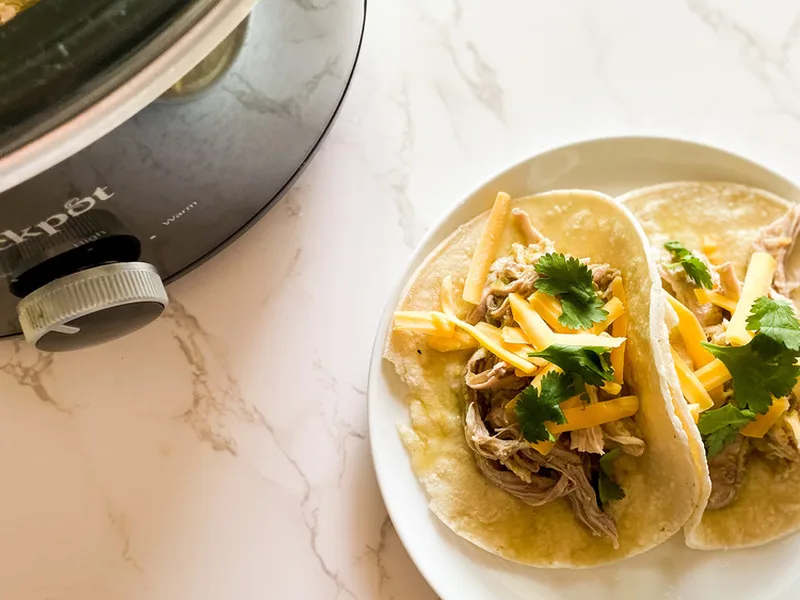
Slow Cooker Pork Green Chili
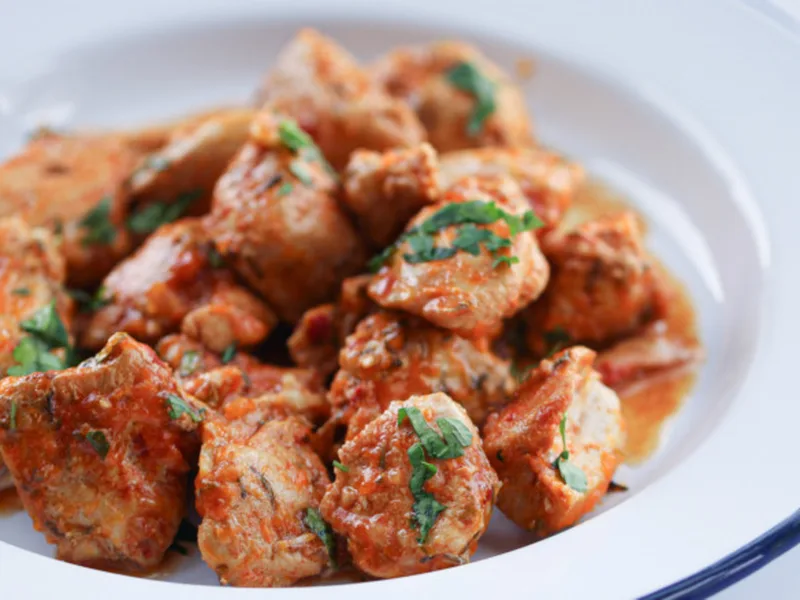
Slow Cooker Chicken Breast with Paprika and Herbs
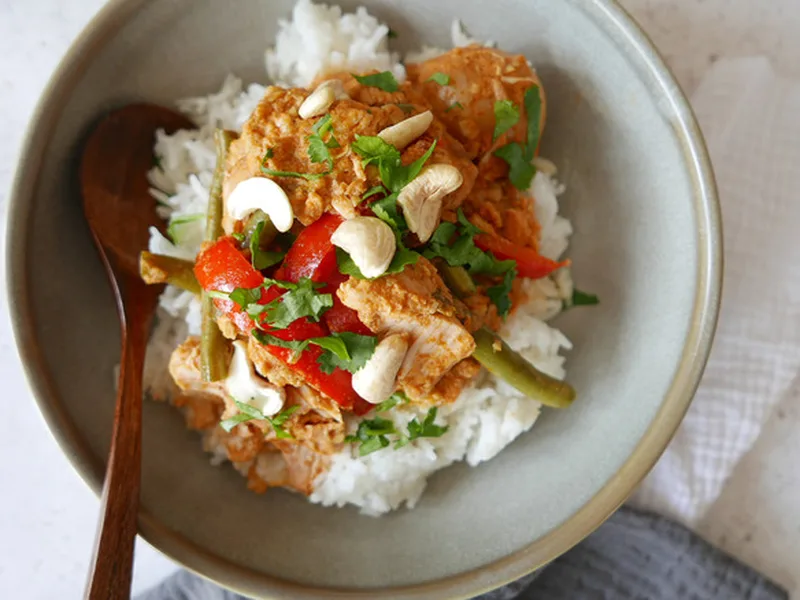
Slow Cooker Coconut Curry Cashew Chicken
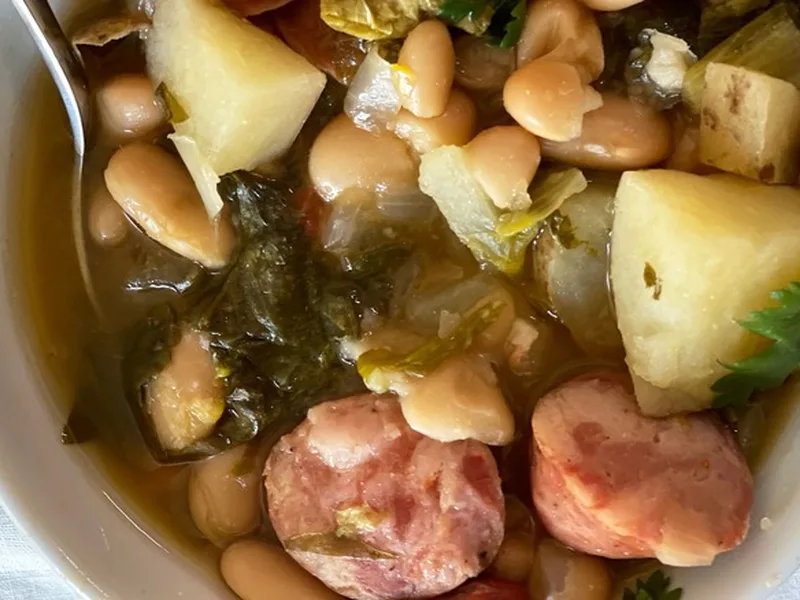
Slow Cooker Portuguese Bean Soup with Sausage
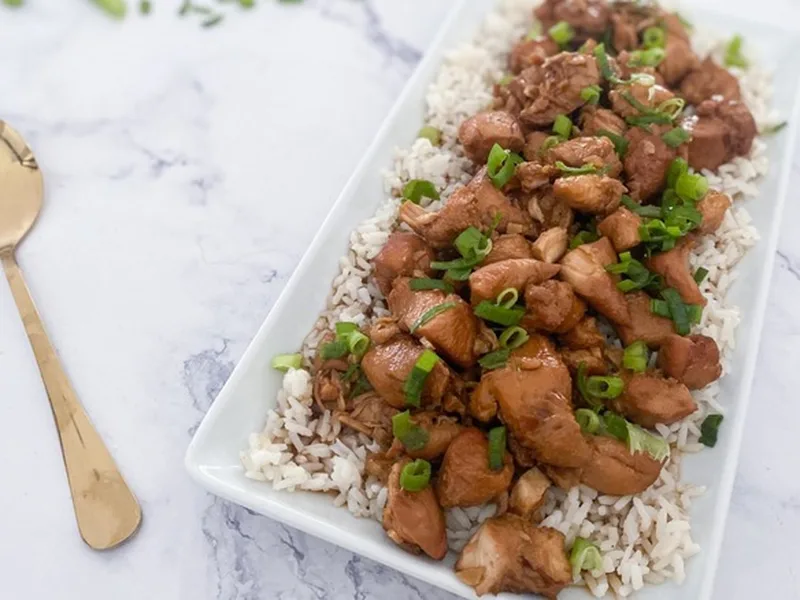
Slow Cooker Bourbon Chicken with Apple Glaze
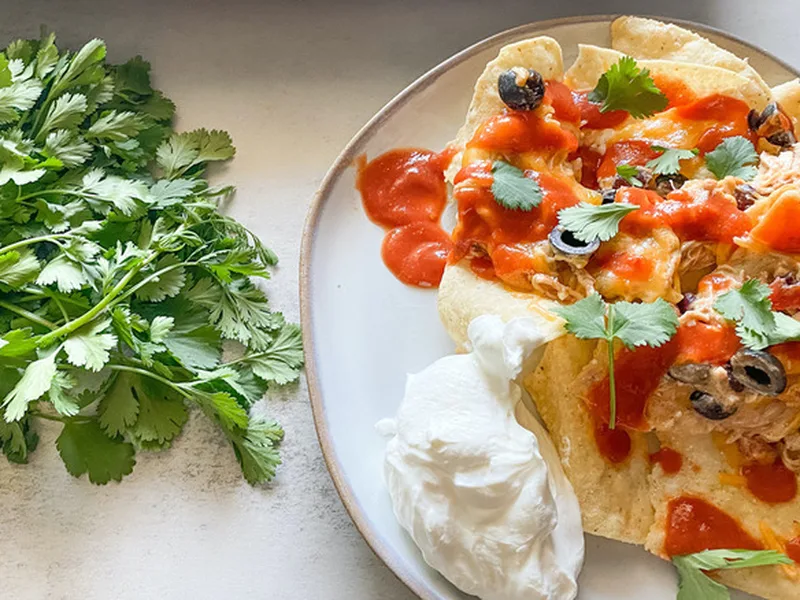
Slow Cooker Creamy Chicken Nachos
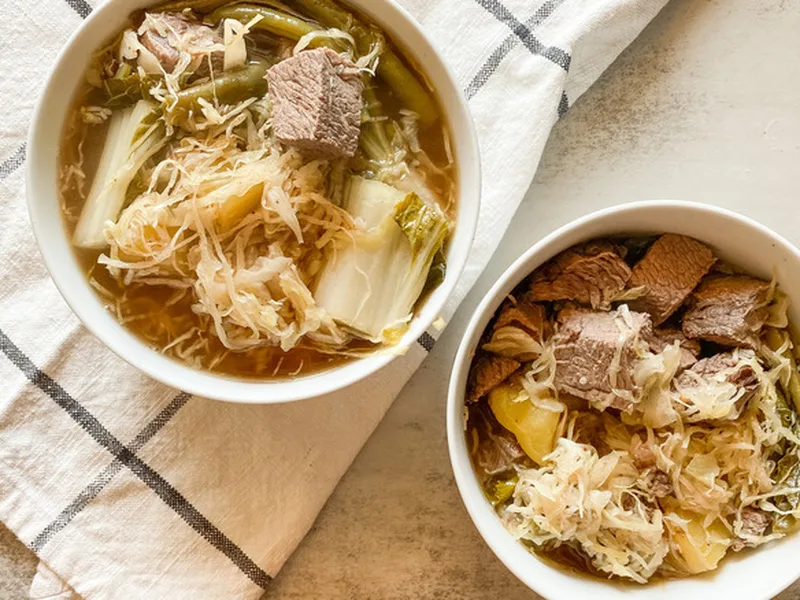
Slow Cooker Beef Sinigang with Tamarind and Vegetables
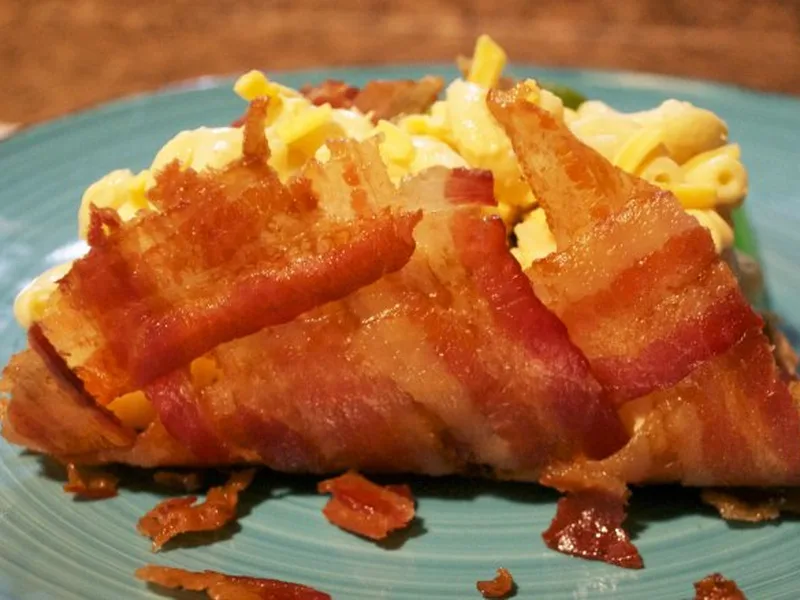
Bacon Weave Taco Shells with Slow Cooker Mac and Cheese
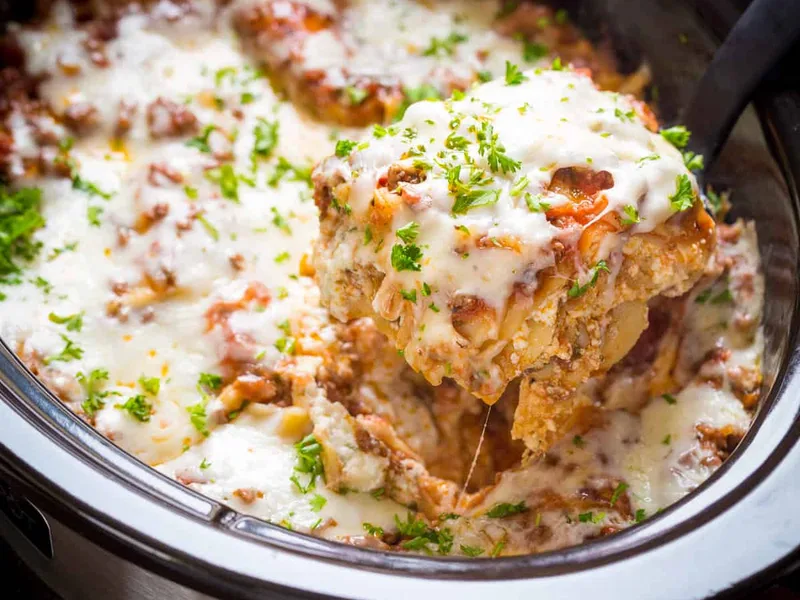
Easy Crockpot Lasagna with Ground Beef and Three Cheeses
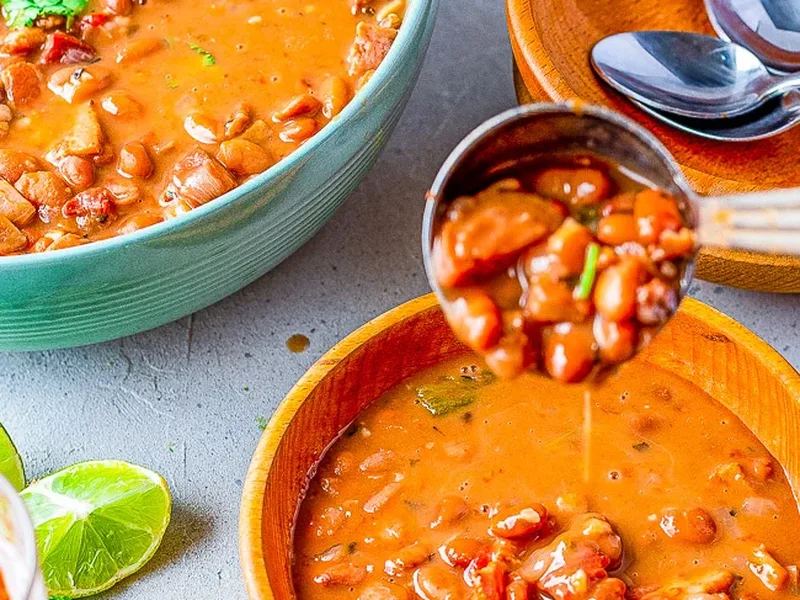
Slow Cooker Borracho Beans with Beer and Bacon
A slow cooker does exactly what it promises: cooks food slowly at low temperatures between 170°F and 280°F. Unlike braising in your oven at 325°F, a slow cooker maintains steady heat for 4 to 10 hours without drying out your food. The sealed environment traps moisture. Your beef stew ingredients release liquid that turns to steam, condenses on the lid, then drips back down. This cycle repeats for hours.
Pick this method when you want tender meat from tough cuts like chuck roast or pork shoulder. The long cook time breaks down connective tissue that would stay chewy with faster methods. A 3-pound chuck roast needs 8 hours on low to shred with a fork. The same roast in a 400°F oven stays tough after 2 hours.
Slow cookers beat other methods for convenience. Load ingredients at 8 AM, leave for work, return to finished dinner at 6 PM. No stirring needed. The heating element wraps around the sides, not just the bottom, so food won't scorch. Compare that to stovetop braising where you check liquid levels every 30 minutes.
Most recipes follow the same pattern. Brown meat first in a skillet for better flavor, though you can skip this step. Layer hard vegetables like carrots on the bottom since they cook slower than meat. Add liquid to reach halfway up the ingredients. Too much liquid gives you watery results because slow cookers don't allow evaporation like uncovered pots.
Expect fork-tender meat, soft vegetables, and concentrated flavors. Soups and stews taste like they simmered all day because they did. Tough vegetables like beets turn silky after 6 hours. Even bacon crisps up when you drape strips over a foil-wrapped ramekin for 2 hours on high.
Equipment
FAQ
What's the difference between low and high settings?
Low maintains 190°F to 200°F while high reaches 280°F to 300°F. A recipe that takes 8 hours on low finishes in 4 hours on high. Low gives more tender results for tough meats. High works better for chicken breasts that dry out during extended cooking. Both settings eventually reach the same maximum temperature. The difference lies in how fast they get there.
Can I convert oven recipes to slow cooker?
Yes, but reduce liquid by 50% since slow cookers trap steam. A beef stew calling for 4 cups of broth needs only 2 cups in a slow cooker. For timing, 15 to 30 minutes in the oven equals 4 to 6 hours on low or 1.5 to 2 hours on high. Oven temperatures of 325°F to 375°F convert to either slow cooker setting.
Why does my food taste bland from the slow cooker?
Slow cooking dilutes seasonings over long cook times. Use 25% more herbs and spices than stovetop recipes suggest. Add fresh herbs during the last 30 minutes since dried herbs lose potency after 4 hours. Salt at the end because it concentrates as liquid reduces. Brown meat and sauté onions first to build flavor layers that plain slow cooking can't create.
Should I stir food during cooking?
No, lifting the lid drops the temperature by 10°F to 15°F and adds 20 minutes to cook time. Each peek extends cooking. The sealed environment needs steady heat to work properly. Only lift the lid when adding ingredients in the final hour or checking doneness. Trust the process for the first 75% of cook time.