Best Korean Recipes
Korean cooking runs on five ingredients: gochujang (fermented chili paste), doenjang (soybean paste), soy sauce, sesame oil, and kimchi. Buy these first. The rest follows.
A proper Korean meal spreads across the table. Rice anchors everything. Three to seven banchan (small side dishes) surround it. One main protein sits in the center. This setup feeds 4-6 people family-style, with everyone reaching for what they want.
The recipes here cover weeknight dinners (15-30 minutes) and weekend projects (marinated galbi needs 12 hours). Most use ingredients from regular grocery stores, though an Asian market trip gets you fresher gochugaru and better sesame oil. Temperature matters in Korean cooking. Stews bubble at 212F. Grilled meats hit 145-160F internal temp. Cold noodles chill to 40F or below.
The Recipes
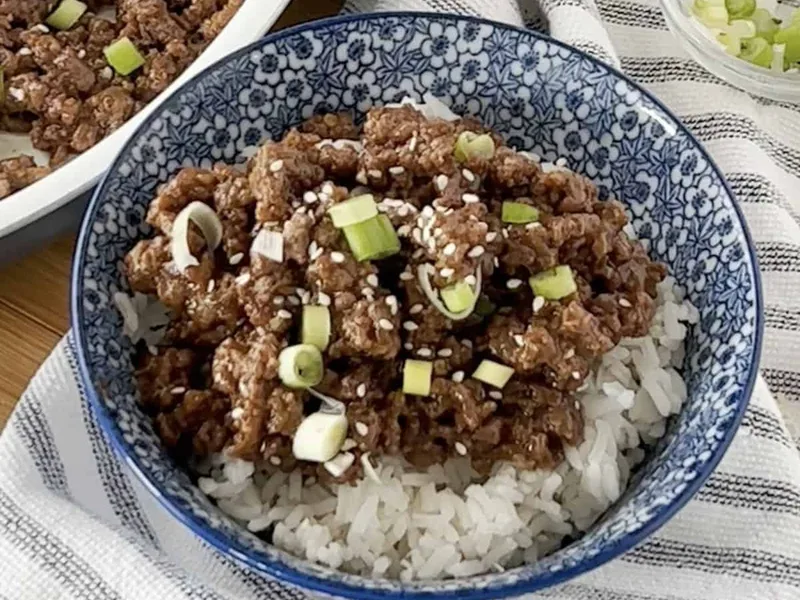
Korean Beef Stir Fry with Vegetables and Brown Sugar Sauce
Ready in 15 minutes if you slice the beef paper-thin (freeze for 30 minutes first for easier cutting). The brown sugar caramelizes at high heat, creating those crispy edges restaurants charge extra for.
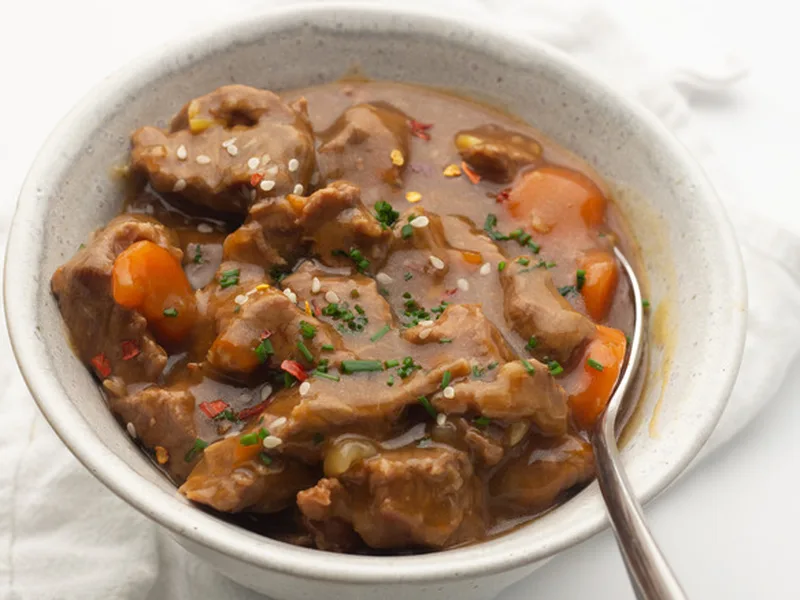
Korean Beef Stew with Sesame Oil and Soy Sauce
This stew tastes better on day two. Make a double batch. The fat solidifies overnight, making it easy to skim off excess. Reheat portions at 180F for best texture.
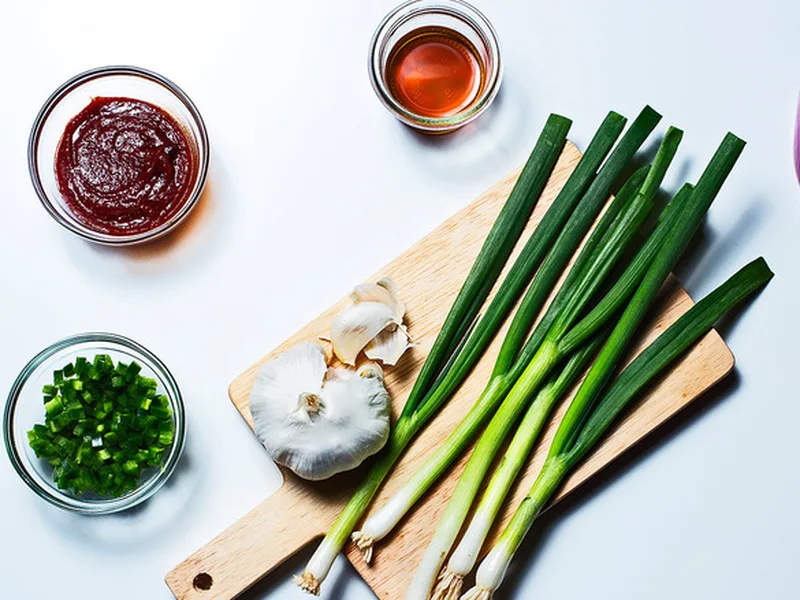
Homemade Ssamjang: Korean Dipping Paste
Ten minutes gets you a month's worth of ssamjang. Store in a glass jar, not plastic. The fermented paste stains plastic permanently. One tablespoon per lettuce wrap is the standard serving.
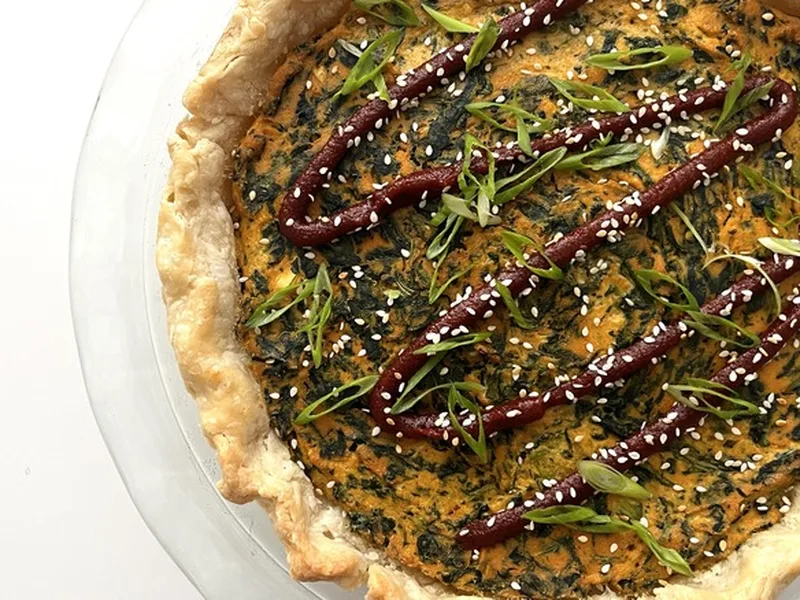
Vegan Spinach Tofu Quiche with Gochujang
Gochujang adds umami depth that eggs usually provide. Use 2 tablespoons for mild heat, 4 for serious spice. The tofu needs pressing for 20 minutes or the quiche turns watery.
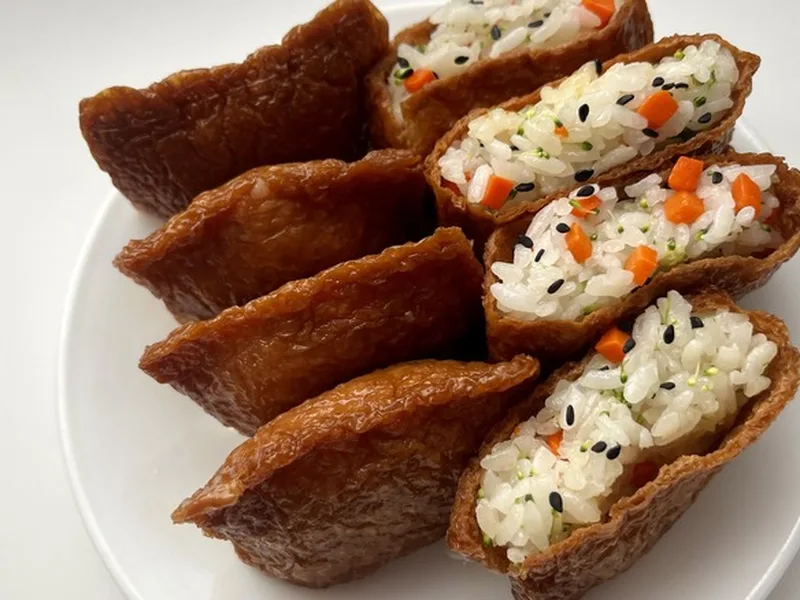
Korean Fried Tofu Pockets with Seasoned Rice
These pockets freeze perfectly. Make 30, eat 10, freeze 20. Reheat straight from frozen in a 350F oven for 12 minutes. Kids love these in lunchboxes.
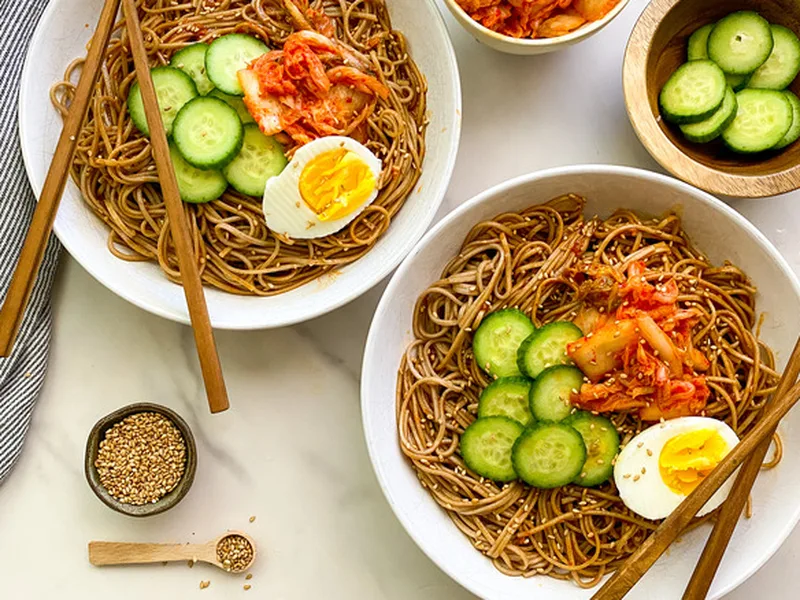
Bibim Guksu: Korean Cold Noodles
Serve these noodles at 40F or colder. Run cooked noodles under cold water for 2 full minutes, then chill in ice water. Warm noodles kill the dish completely.
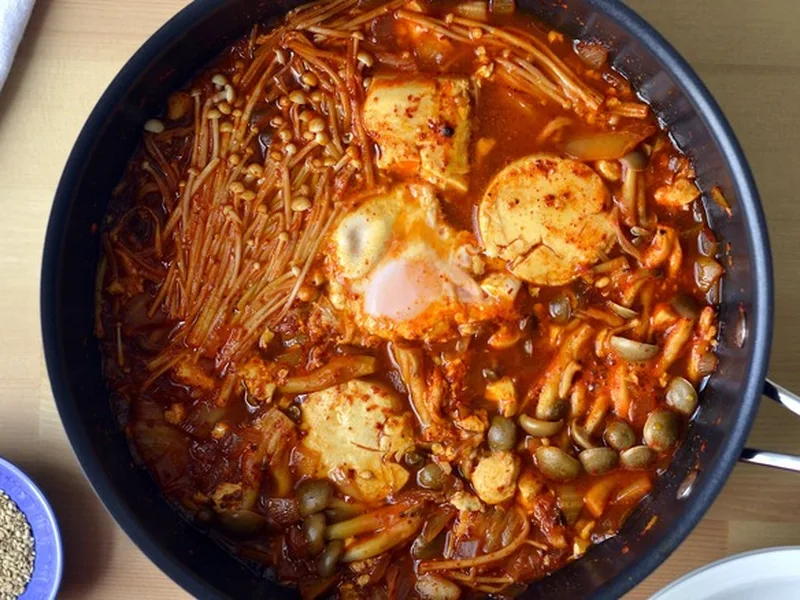
Kimchi Sundubu Jjigae: Silken Tofu Stew
Use silken tofu, not firm. It should barely hold together when you add it. The 75-minute cook time includes 45 minutes of hands-off simmering. Crack an egg in during the last 5 minutes.
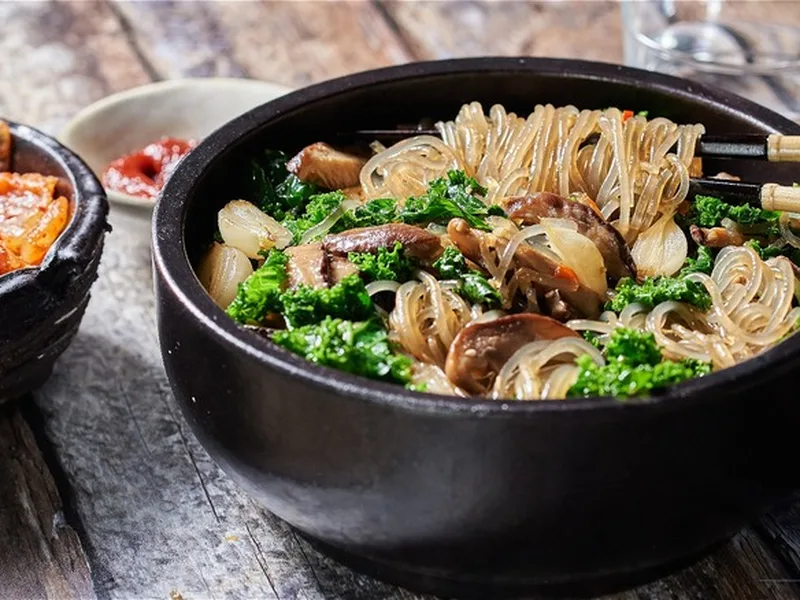
Korean Beef Japchae with Kale and Glass Noodles
Glass noodles need exactly 6 minutes in boiling water. Seven minutes and they're mush. Five and they're crunchy. Set a timer. Kale substitutes perfectly for traditional spinach here.
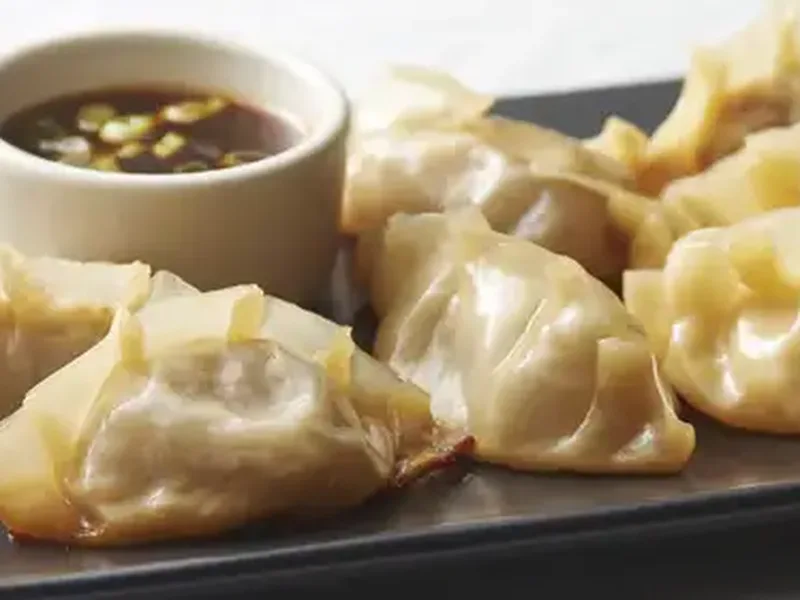
Beef and Kimchi Pot Stickers with Soy-Chili Dipping Sauce
Freeze uncooked potstickers on a sheet pan, then transfer to bags. Cook straight from frozen: 2 minutes browning, add 1/4 cup water, cover for 8 minutes. Works every time.
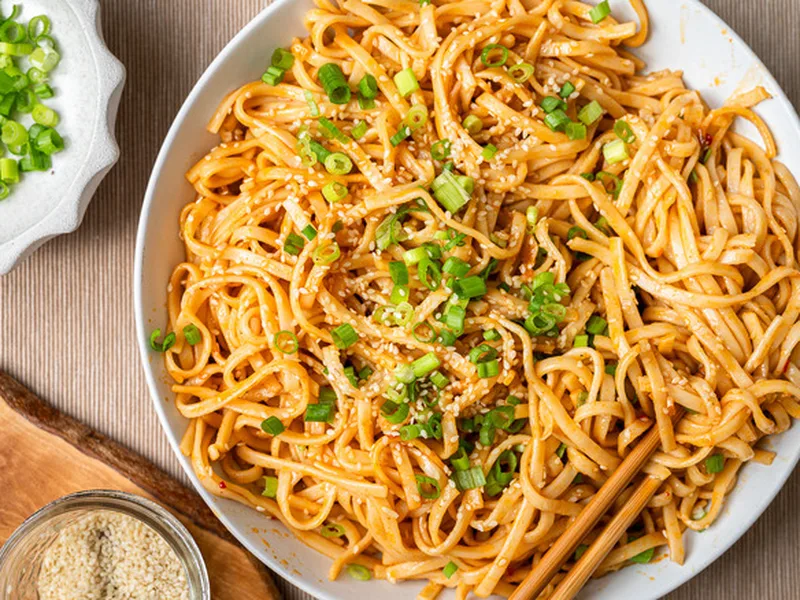
Korean-Style Udon Noodles with Gochujang Sauce
Five minutes assumes you have gochujang sauce made. Without it, add 10 minutes. Fresh udon beats dried every time. Find it in the refrigerated section near tofu.
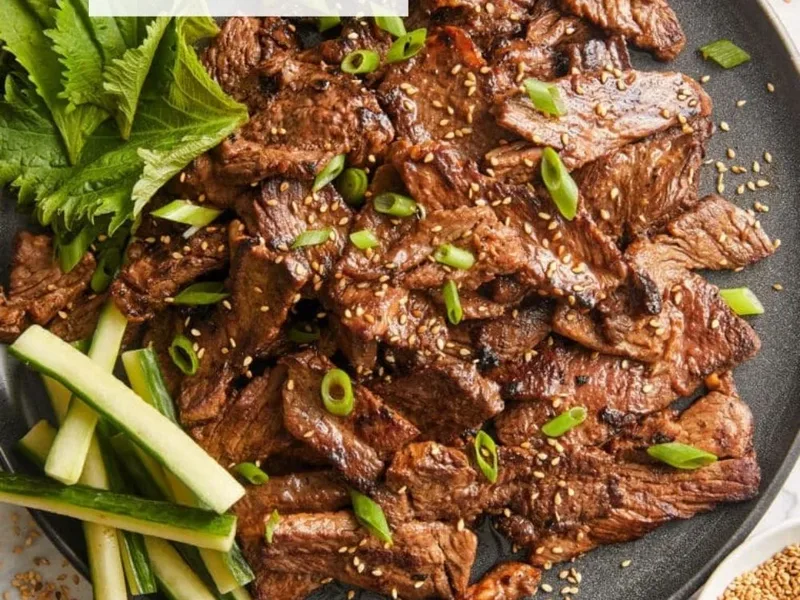
Korean Bulgogi Marinated Grilled Beef with Vegetables
The 3-hour marinade includes Asian pear, which contains enzymes that tenderize tough cuts. No pear? Use 2 tablespoons pineapple juice instead. Same enzymes, same effect.
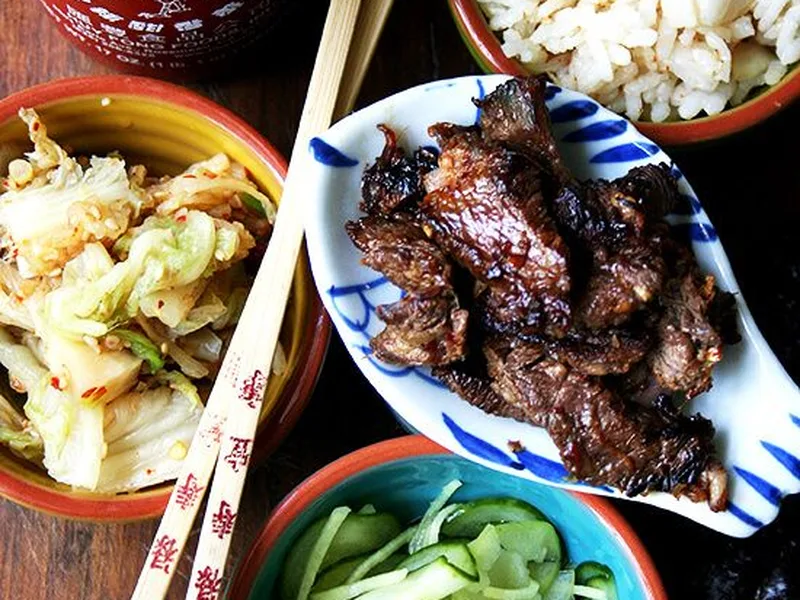
Skirt Steak Bulgogi with Quick Cucumber-Apple Pickles
Skirt steak cooks fast. Two minutes per side on a 500F grill. The pickles need 30 minutes minimum to develop flavor. Make them first, then prep the meat.
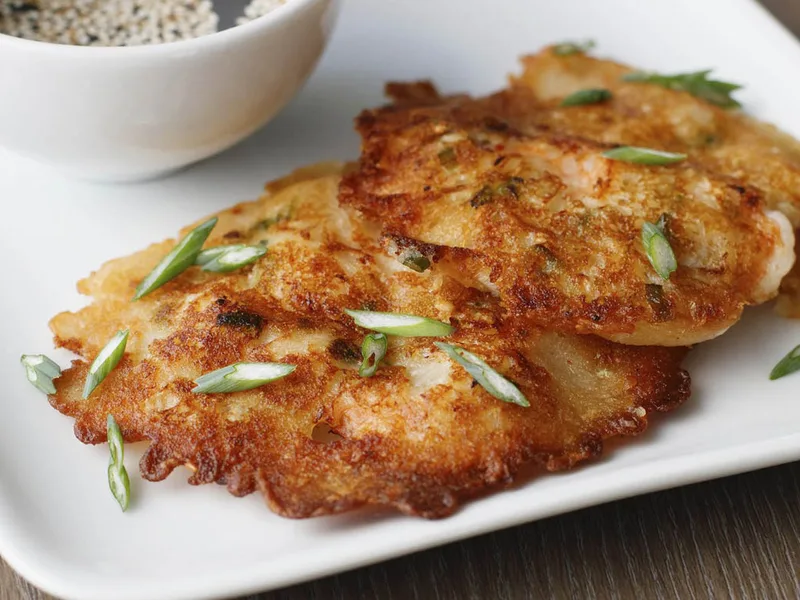
Korean Shrimp and Kimchi Pancakes with Sesame Soy Sauce
The batter should be thin, like crepe batter. Too thick and the center stays raw while edges burn. Use a 10-inch nonstick pan and 2 tablespoons oil per pancake.
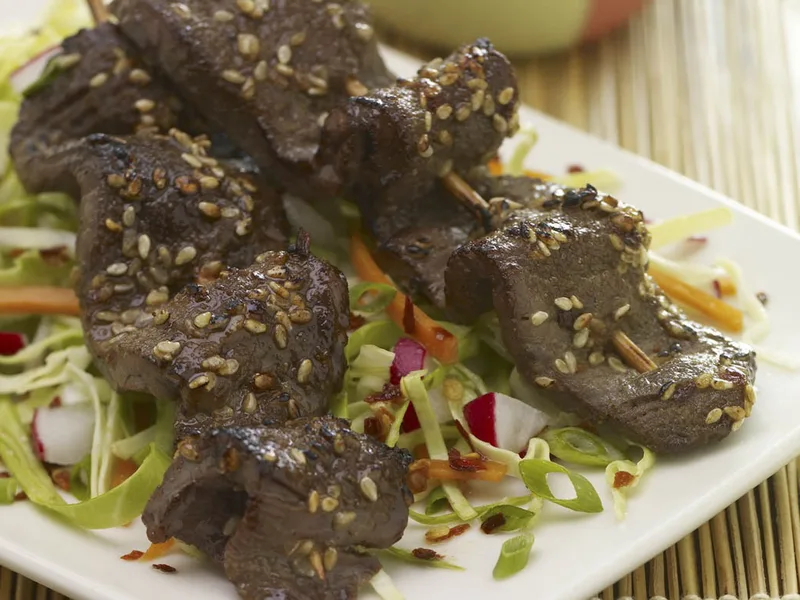
Korean-Style Grilled Beef Skewers with Sesame Soy Marinade
Cut beef into 1-inch cubes for even cooking. Soak wooden skewers 30 minutes or they'll burn. Metal skewers work better if you have them. Internal temp hits 145F for medium-rare.
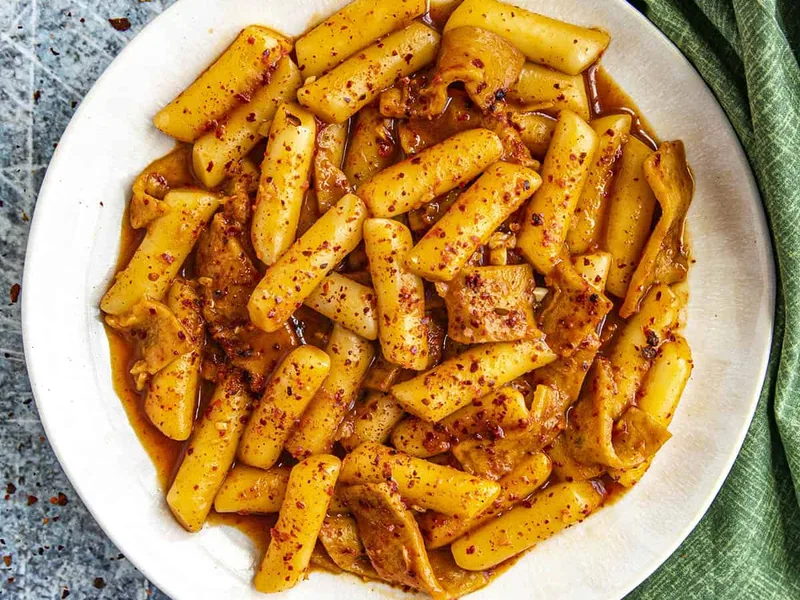
Spicy Korean Tteokbokki with Gochujang Sauce
Rice cakes come frozen or refrigerated. Never dried. Simmer at exactly 212F (full boil). Lower heat and they stay hard. Too high and sauce breaks. Watch the pot.
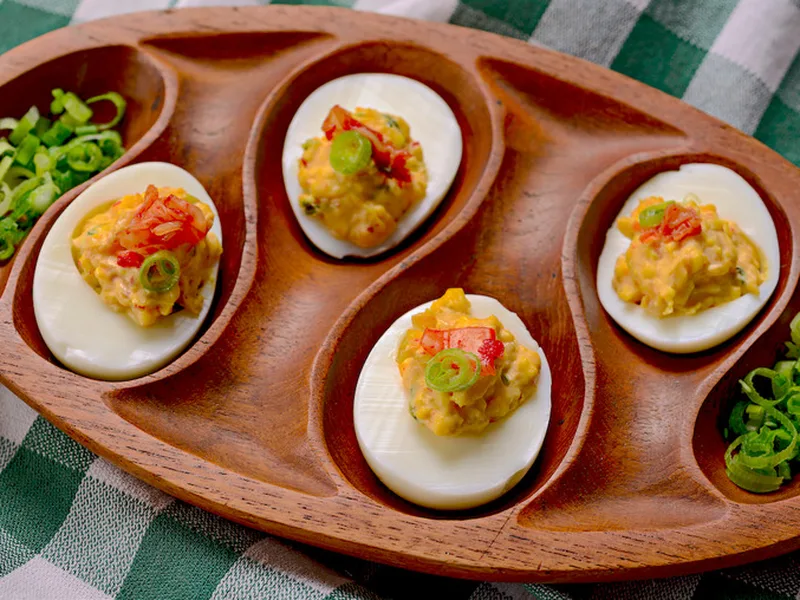
Kimchi Deviled Eggs with Kewpie Mayo
Chop kimchi fine, almost minced. Large pieces make the filling lumpy. Kewpie mayo has more egg yolk than American mayo. The richness balances kimchi's funk perfectly.
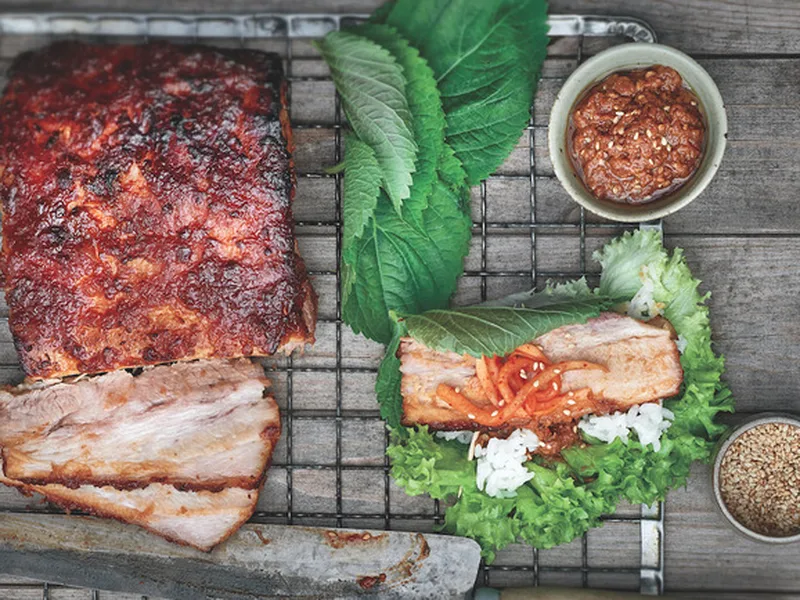
Korean Pork Belly Lettuce Wraps with Doenjang Glaze
Pork belly needs slow cooking to render fat. Three hours at 275F, then 10 minutes at 450F for crispy edges. The doenjang glaze goes on during the last 20 minutes only.
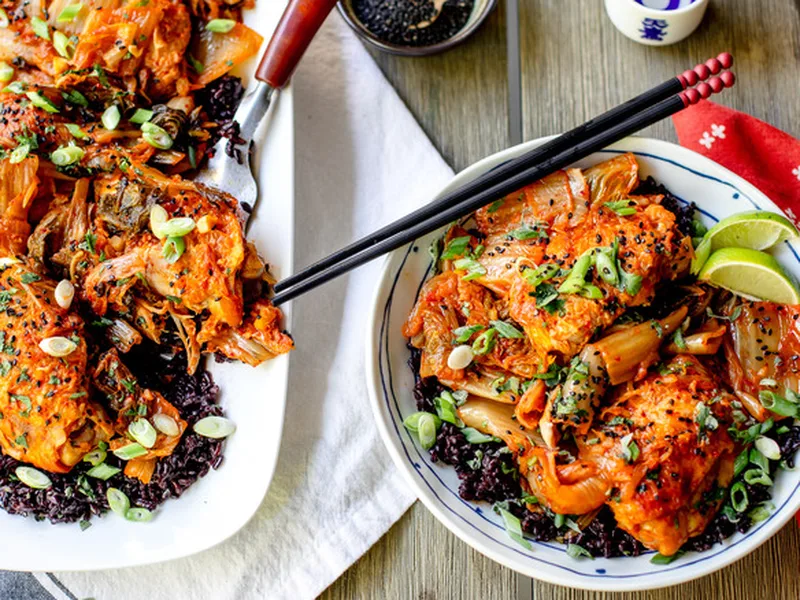
Crockpot Kimchi Chicken With Forbidden Rice
Four hours on high or 8 hours on low. The kimchi breaks down and creates its own sauce. Forbidden rice takes 45 minutes on the stovetop. Start it when the chicken has 1 hour left.
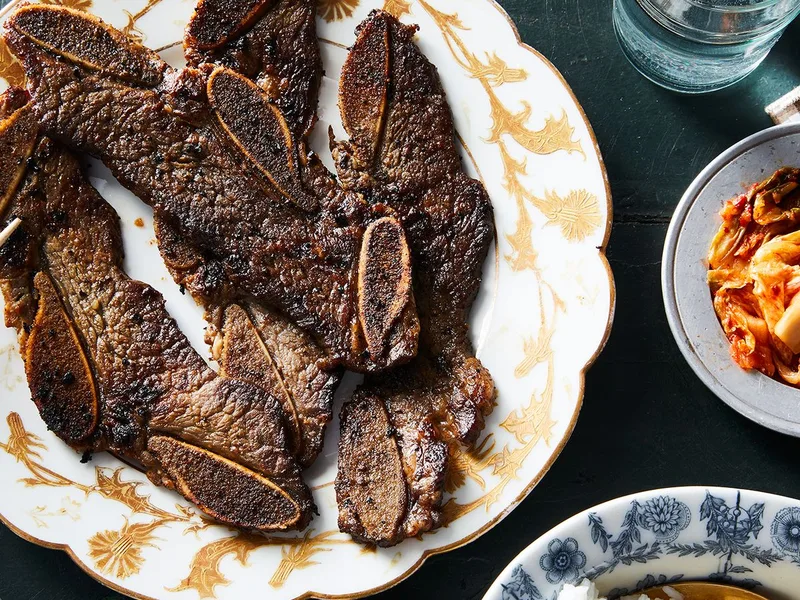
Korean LA Galbi Marinated Short Ribs with Asian Pear
LA-cut means across the bone, 1/4-inch thick. Ask your butcher. The 12-hour marinade isn't optional. Less time and the meat tastes flat. More than 24 hours and it gets mushy.
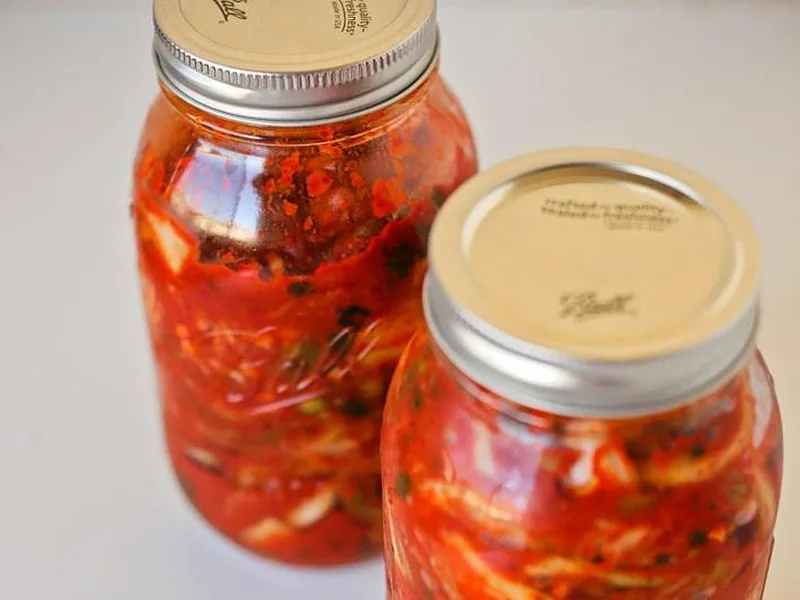
Mom's Fermented Napa Cabbage Kimchi
Real kimchi ferments 3-5 days at 65-70F room temperature, then ages in the fridge. This 30-minute version skips fermentation. It's fresh kimchi (geotjeori), not aged. Still good, just different.
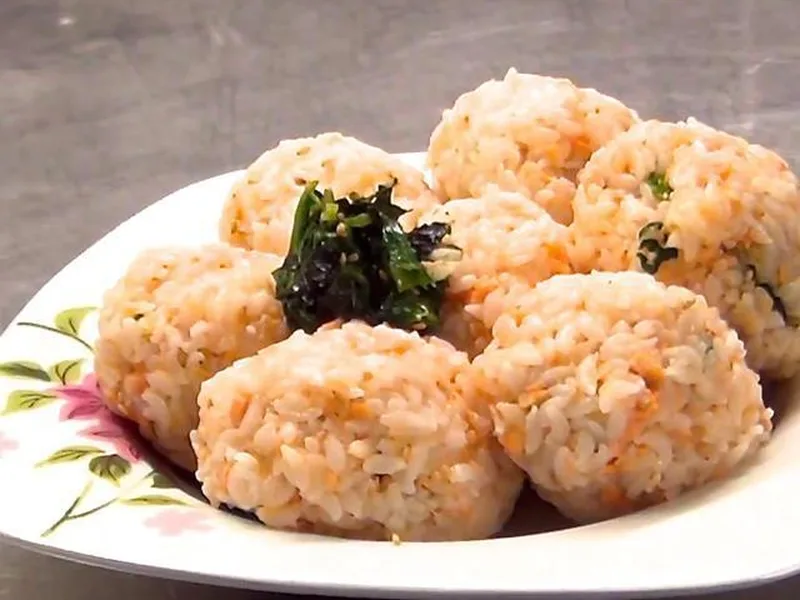
Salmon and Seaweed Spinach Rice Balls
Use short-grain rice at 1:1.2 rice to water ratio. Long-grain falls apart. Wet hands with salt water every 2-3 balls or rice sticks everywhere. Each ball uses 1/3 cup rice.
Planning Tips
- 1
Buy gochujang and doenjang in tubs, not squeeze bottles. Tubs last 2 years refrigerated. Squeeze bottles dry out after 6 months. One 500g tub makes about 50 recipes.
- 2
Korean meals need rice. Cook 1.5 cups dry rice per person. Leftover rice becomes fried rice tomorrow. Never waste it. A rice cooker pays for itself in 3 months if you eat Korean food weekly.
- 3
Prep vegetables Korean-style: matchsticks for stir-fries (1/8-inch thick), chunks for stews (1-inch), paper-thin for grilling. Uniform cuts mean even cooking. Use a mandoline for thin slices if you have one.
- 4
Sesame oil burns at 350F. Add it after cooking, not during. One teaspoon per serving adds the right amount of nutty flavor without overpowering. Buy Korean sesame oil, not Chinese. Darker color, stronger taste.
- 5
Make kimchi on Sunday. By Wednesday it's perfectly funky. After 2 weeks it's sour enough for stews. One head of napa cabbage yields about 2 pounds of kimchi. A Korean household uses that in a week.
- 6
Grill or broil when recipes say grill. Korean cooking uses high, direct heat to char edges. Set broiler to high, position rack 4 inches from heat. Flip meat every 2-3 minutes for even charring.
Complete Menu Ideas
Weeknight dinner for 4: Korean Beef Stir Fry (15 minutes), steamed rice, store-bought kimchi. Total time: 25 minutes including rice. One pan for stir-fry, one pot for rice. Simple cleanup.
Weekend Korean BBQ for 8: Marinate LA Galbi and Bulgogi Friday night. Grill Saturday. Add lettuce wraps, Homemade Ssamjang, quick cucumber pickles, and Mom's kimchi. Prep takes 2 hours Friday, 1 hour Saturday. Grilling takes 30 minutes.
Vegetarian Korean spread for 6: Kimchi Sundubu Jjigae as main, Korean Fried Tofu Pockets, spinach banchan, and rice. Make tofu pockets ahead and reheat. Stew takes 75 minutes but only 20 minutes active work.
Quick lunch for 2: Bibim Guksu cold noodles with Kimchi Deviled Eggs. Both dishes served cold, so make morning-of or night before. Total active time: 25 minutes. Perfect for hot weather when you don't want to cook.
Party appetizer spread for 12: Korean Shrimp and Kimchi Pancakes (make 3 batches), Beef and Kimchi Pot Stickers (buy 60, cook in batches), Spicy Tteokbokki. Set up stations. Let guests cook their own potstickers for entertainment.
Frequently Asked Questions
What's the difference between gochujang and gochugaru?
Gochujang is fermented chili paste, thick like tomato paste. Gochugaru is chili flakes, dry and coarse. You need both. Gochujang adds sweet-spicy depth to sauces. Gochugaru gives pure heat and color to kimchi. Buy gochujang in 500g tubs for $4-6. Gochugaru comes in 200g bags for $3-5. Both last 2 years properly stored.
Can I make Korean food without a Korean market nearby?
Yes, but order five essentials online: gochujang, doenjang, gochugaru, sesame oil, and short-grain rice. Total cost: $30-40 including shipping. These make 50+ meals. Regular supermarkets carry everything else: soy sauce, rice vinegar, Asian pears (or use pineapple juice), tofu, and vegetables. Amazon delivers Korean ingredients in 2 days to most US addresses.
How spicy is Korean food really?
Spice levels vary by dish and cook. Kimchi ranges from barely warm to painful. Most recipes here hit medium heat, about 3-4 on a 10-point scale. Control heat by adjusting gochujang: 1 tablespoon for mild, 2-3 for medium, 4+ for hot. Dairy doesn't cut Korean spice well. Serve rice and cool banchan instead. Kids can handle mild versions of most dishes.
What cut of beef works best for bulgogi?
Ribeye sliced 1/8-inch thick works best. Costs $12-15 per pound. Cheaper option: sirloin at $8-10 per pound, but needs 2 hours extra marinating. Freezing beef for 30 minutes makes thin slicing easier. Some Korean markets sell pre-sliced bulgogi meat for $1-2 more per pound. Worth it for beginners. One pound feeds 3-4 people with rice and banchan.
How do I store Korean fermented ingredients?
Refrigerate everything after opening. Gochujang and doenjang last 2 years in the fridge, 6 months at room temp. Kimchi lasts 3-6 months refrigerated, getting sourer over time. Use oldest kimchi for stews, freshest for eating plain. Store in glass or plastic, never metal. Fermentation continues slowly even refrigerated. Leave 1 inch headspace in jars or they might overflow.