How to Broil
Broiling uses direct top heat from your oven's broiler element to cook food at temperatures between 500F and 550F. The intense radiant heat browns surfaces fast while keeping interiors tender.
Why it matters
Broiling creates char and caramelization in 5 to 15 minutes without heating up your whole kitchen. You get restaurant-style browning on steaks and chops without a grill. The top-down heat melts cheese perfectly and crisps breadcrumb toppings. No flipping needed for most foods under 1 inch thick.
What you need
Steps
Move your oven rack 4 to 6 inches from the broiler element. Closer means faster browning. Turn on the broiler and let it preheat for 5 minutes until the element glows bright orange.
Line your broiler pan or rimmed baking sheet with aluminum foil. Leave the slotted top unlined if using a broiler pan. The slots let fat drip away from food, preventing smoke and flare-ups.
Pat food completely dry with paper towels. Wet surfaces steam instead of browning. Season both sides with salt and pepper. Brush thin foods like fish with 1 tablespoon oil to prevent sticking.
Place food on the prepared pan. Leave 1 inch between pieces for even heating. Slide the pan under the broiler. Keep the oven door cracked open 2 inches to prevent the broiler from cycling off.
Set a timer for half the expected cook time. Most foods need 4 to 6 minutes per side. Watch through the oven door. You want deep golden brown color, not black char. Listen for sizzling sounds.
Check doneness with an instant-read thermometer. Beef and lamb need 145F for medium-rare. Chicken requires 165F. Fish flakes easily at 145F. Vegetables should look charred at edges but still have slight firmness.
Remove the pan using oven mitts. Let meat rest 5 minutes before cutting. The internal temperature rises 5F to 10F during rest. Transfer food to plates immediately to stop cooking.
Common Mistakes
Using the wrong rack position
What happens: Food burns outside before cooking through or takes forever to brown
Fix: Measure the distance from broiler to rack. Thin foods need 4 inches. Thick cuts need 6 inches
Closing the oven door completely
What happens: Broiler element cycles on and off, creating uneven cooking
Fix: Prop door open 2 inches with a wooden spoon handle. Modern ovens need airflow to keep broiler on
Not preheating the broiler
What happens: Food steams in its own moisture before browning starts
Fix: Always preheat 5 minutes until element glows orange. Cold broilers give gray food
Overcrowding the pan
What happens: Steam builds up between pieces, preventing browning
Fix: Leave 1 inch minimum between pieces. Cook in batches for better results
Troubleshooting
Food burns on outside but stays raw inside
Then: Move rack down 2 inches. Reduce broiling time and finish in 400F oven for thicker cuts over 1.5 inches
Excessive smoke fills kitchen
Then: Fat is burning on pan surface. Use a slotted broiler pan or put water in bottom of regular pan to catch drips
Food sticks to pan
Then: Spray foil with cooking spray before adding food. Oil lean proteins like fish and chicken breast before broiling
Related Techniques
FAQ
What's the difference between broil and bake settings?
Broiling uses only the top heating element at 500F to 550F for direct radiant heat. Baking uses both top and bottom elements to create ambient heat between 200F and 450F. Broiling browns food in 5 to 15 minutes. Baking cooks food through in 15 to 60 minutes. Use broil for surface browning and bake for even cooking throughout.
Can I broil with parchment paper?
No. Parchment paper burns at 420F and broilers reach 550F. Use aluminum foil instead, shiny side up. Heavy-duty foil handles broiler heat better than regular. Spray foil with cooking spray to prevent sticking. Some silicone mats rated for 480F work but may brown or smell at broiler temperatures.
Do all ovens have broilers?
Most ovens have broilers but locations vary. Electric ovens put the broiler element at the top of the main compartment. Gas ovens often have a separate broiler drawer below the main oven that reaches 550F. Some apartment ovens combine broiler and bake functions in one element. Check your manual to locate yours.
How do I know when to flip food while broiling?
Thin foods under 1 inch rarely need flipping. The top browns in 5 to 8 minutes while heat cooks through. Thick steaks over 1.5 inches need flipping after 6 to 8 minutes when edges look gray and cooked halfway up the sides. Fish fillets under 1 inch never need flipping. Always flip gently with tongs to keep browning intact.
Recipes Using This Technique
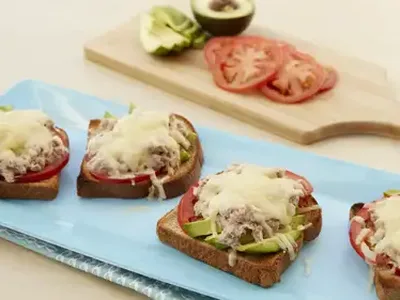
Broiled Avocado Tuna Melts with Swiss Cheese
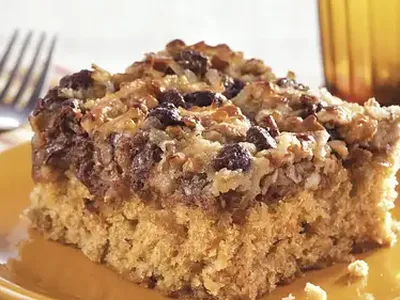
Broiled Coconut Pecan Chocolate Chip Oatmeal Cake
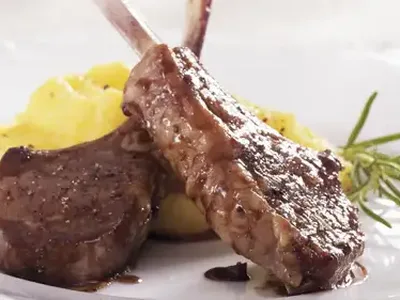
Cherry-Glazed Lamb Chops with Balsamic Rosemary Glaze
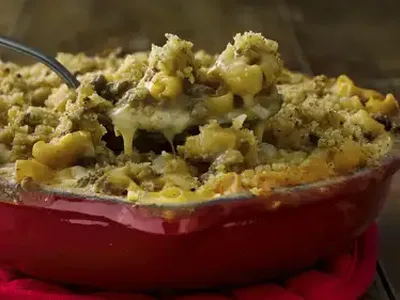
Crunchy Broiled Cheeseburger Mac and Cheese Casserole
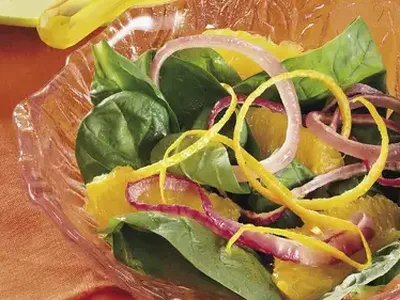
Fresh Spinach Orange Red Onion Salad with Honey Vinaigrette