How to Chiffonade Herbs
Chiffonade is cutting leafy herbs or greens into thin ribbons by stacking, rolling, and slicing them. The technique creates uniform strips between 1/8 and 1/4 inch wide that release maximum flavor and look professional.
Why it matters
Chiffonade cuts expose more surface area than rough chopping, which releases more aromatic oils. The ribbons distribute evenly through dishes. They won't clump like chopped herbs do. The technique prevents bruising that turns basil and mint black within minutes.
What you need
Steps
Wash herbs in cold water and shake off excess. Pat completely dry with paper towels. Even tiny water droplets will make the leaves stick together and turn brown faster. Basil leaves should feel papery, not damp.
Stack 6-8 similar-sized leaves on top of each other, shiny side down. Line up the stems. For large basil leaves, stack only 4-5. Small mint leaves can go 10-12 high. The stack should be about 1/2 inch thick when compressed.
Roll the stack lengthwise into a tight cylinder, starting from one long edge. Think cigarette, not burrito. The roll should hold its shape when you let go. If leaves unfurl, they're too wet or you need a tighter roll.
Hold the cylinder with your non-knife hand, fingertips curled under. Position the knife at a 90-degree angle to the roll. Your knuckles guide the blade. Keep fingers at least 1 inch from where you're cutting.
Slice straight down through the roll every 1/8 to 1/4 inch, using a rocking motion. Don't saw back and forth. One clean cut per ribbon. You'll hear a crisp sound, not a mushy squish. The ribbons should spring apart naturally.
Gently separate the ribbons with your fingers. Use immediately or store in an airtight container lined with a barely damp paper towel for up to 2 hours. The ribbons should smell fresh and look bright green, not dark or wilted.
Common Mistakes
Using a dull knife
What happens: Tears and bruises the herbs, causing them to oxidize and turn black within 5 minutes
Fix: Sharpen your knife until it slices through paper without resistance
Cutting wet herbs
What happens: Creates mushy clumps that stick together and brown faster
Fix: Dry herbs completely, waiting 15-20 minutes after washing if needed
Making cuts too thick
What happens: Produces chunks instead of delicate ribbons that don't distribute evenly
Fix: Aim for 1/8 inch cuts, about the width of two pennies stacked
Sawing through the roll
What happens: Crushes cell walls, releasing enzymes that cause browning and bitter flavors
Fix: Use single downward cuts with a sharp blade
Troubleshooting
Ribbons turn brown within minutes
Then: Add a few drops of olive oil and toss gently, or submerge in ice water for 30 seconds then pat dry
Can't get leaves to roll tightly
Then: Remove thick center ribs from large leaves first, or work with smaller leaves in batches of 3-4
Related Techniques
FAQ
Can I chiffonade herbs ahead of time?
Cut herbs oxidize quickly, especially basil which turns black in 10-15 minutes. For best results, chiffonade within 5 minutes of serving. If you must prep ahead, store ribbons in an airtight container with a damp paper towel for maximum 2 hours. Mint and parsley last longer than basil. Adding 1 teaspoon olive oil per cup of herbs slows browning by about 30 minutes.
Which herbs work best for chiffonade?
Flat, broad leaves work best. Basil leads the pack, followed by sage, mint, and shiso. Spinach and lettuce also chiffonade well. Skip woody herbs like rosemary or thyme. Their leaves are too small and tough. For parsley and cilantro, only use the leaves, removing all stems first. Each basil leaf should be at least 2 inches long for easy rolling.
How thin should the ribbons be?
Standard chiffonade ribbons measure 1/8 to 1/4 inch wide. For garnish, go thinner at 1/16 inch. For cooking, cut wider at 3/8 inch since heat wilts them by 50 percent. A nickel's edge equals about 1/16 inch. Stack two nickels for 1/8 inch. Your ribbons should be uniform within 1/16 inch of each other.
Why do my herbs taste bitter after cutting?
Crushing releases polyphenol oxidase enzymes that create bitter compounds in 3-5 minutes. A truly sharp knife minimizes cell damage. Test sharpness by slicing a tomato. The blade should sink through with just its own weight. Dull knives require 5 times more pressure, crushing twice as many cells. Professional chefs sharpen their knives every 2-3 days when doing lots of herb work.
Recipes Using This Technique
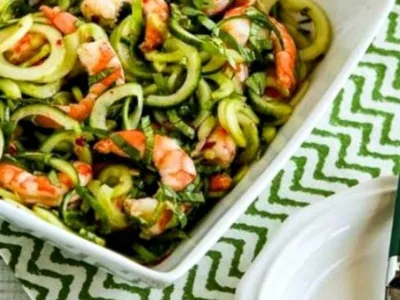
Chilled Cucumber Noodle Salad with Shrimp

Crispy Ricotta-Stuffed Squash Blossoms with Sourdough Tempura
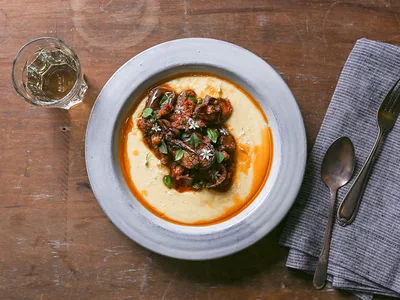
Creamy Polenta With Eggplant Ragout

Shrimp and Rice Noodles in Coconut Broth
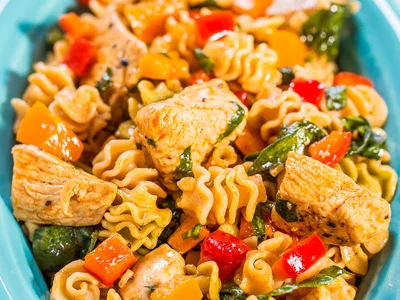
Smoky Honey Chicken Pasta Salad with Spinach