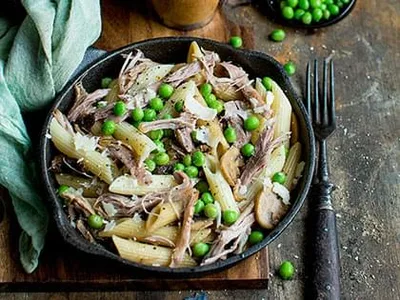
How to Make Confit
Confit is slow-cooking meat in its own fat at 200F to 225F. The fat preserves the meat while keeping it incredibly tender.
Why it matters
Confit turns tough cuts into silky, fork-tender meat that lasts weeks in the fridge. The technique concentrates flavors while the low temperature prevents drying. You get meat that shreds perfectly and crisps up beautifully when seared. Traditional preservation method that beats any modern shortcut.
What you need
Steps
Salt your meat generously, using 1 tablespoon kosher salt per pound, then add 2 bay leaves and 4 smashed garlic cloves. Refrigerate 24 to 48 hours. The meat releases moisture and firms up noticeably.
Rinse salt off completely. Pat dry. Arrange pieces in your Dutch oven without overlapping, then cover with fat until submerged by 1 inch.
Heat fat to 200F over medium heat, checking every 5 minutes with your thermometer. Small bubbles appear around the edges at 180F. Adjust heat to maintain 200F to 225F throughout cooking.
Cook 2 to 4 hours depending on size. Duck legs need 3 hours. Pork shoulder chunks need 4 hours. Test doneness by lifting a piece with tongs. The meat should barely hold together, threatening to fall off the bone.
Remove pot from heat and cool to room temperature, about 2 hours. The fat turns from clear golden to opaque white as it solidifies. Transfer meat to storage container using a slotted spoon.
Strain fat through cheesecloth into a measuring cup, discarding solids. Pour strained fat over meat until covered by 0.5 inches. Refrigerate up to 3 weeks. Fat hardens to seal meat completely.
Common Mistakes
Temperature too high
What happens: Meat becomes stringy and dry instead of silky
Fix: Keep fat between 200F and 225F using a thermometer every 15 minutes
Not enough fat coverage
What happens: Exposed meat oxidizes and spoils within days
Fix: Always submerge meat completely, adding extra rendered fat if needed
Skipping the salt cure
What happens: Meat lacks flavor depth and proper texture
Fix: Salt 24 hours minimum, 48 hours for thicker cuts over 2 inches
Using olive oil instead of animal fat
What happens: Wrong flavor profile and oil solidifies poorly for storage
Fix: Use duck fat for duck, lard for pork, or clarified butter as backup
Troubleshooting
Fat bubbles vigorously during cooking
Then: Lower heat immediately and remove pot from burner for 5 minutes to drop temperature below 225F
Meat falls apart when removing from fat
Then: Chill entire pot in refrigerator 30 minutes to firm up meat before transferring
Related Techniques
FAQ
Can I reuse the confit fat?
Yes, strain it through cheesecloth and refrigerate up to 3 months. Each use adds more flavor. I've reused duck fat 5 times for increasingly tasty results. Always smell before using. Rancid fat smells like old crayons. Fresh fat smells neutral or slightly meaty. Discard if you see any mold or off colors beyond pale yellow.
What cuts work best for confit?
Tough, fatty cuts excel. Duck legs contain 35% fat naturally. Pork shoulder has enough marbling at 20% fat content. Chicken thighs work if you add extra schmaltz. Avoid lean cuts like chicken breast or pork tenderloin. They dry out even at 200F. Aim for cuts with visible fat streaks throughout the meat.
How do I crisp up confit before serving?
Remove meat from fat and bring to room temperature, about 30 minutes. Heat a cast iron skillet over medium-high until a water drop sizzles instantly. Sear skin-side down 3 to 5 minutes until deep golden brown. The skin crackles audibly when ready. No added fat needed since the meat releases its own.
Is confit safe without refrigeration?
Traditional confit kept 6 months in cool cellars at 55F to 60F. Modern kitchens run warmer. Refrigerate for safety. The 0.5-inch fat layer blocks air completely when solid. Never leave at room temperature over 2 hours. Properly stored confit lasts 3 weeks refrigerated or 6 months frozen.