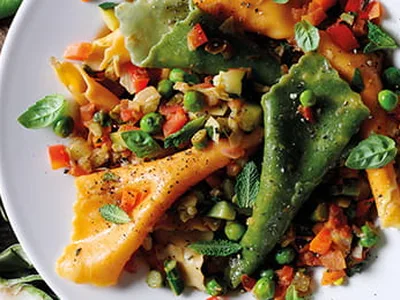
How to Cook Asparagus
Cooking asparagus means applying heat to turn tough, fibrous spears into tender vegetables with concentrated flavor. The technique preserves the vegetable's natural sweetness while developing caramelized edges or maintaining bright green color.
Why it matters
Properly cooked asparagus has tender stalks and crisp tips that snap between your teeth. Raw asparagus tastes grassy and feels woody. Overcooked turns mushy and gray. The right technique gives you spears that hold their shape on the plate while yielding easily to a fork.
What you need
Steps
Trim asparagus by bending each spear until it snaps naturally, usually 1-2 inches from the bottom. The spear breaks where tender meets tough. Discard woody ends. Thick spears need peeling with a vegetable peeler starting 2 inches below the tip.
Choose your method based on spear thickness. Pencil-thin spears under 1/4 inch diameter cook in 3-4 minutes. Standard spears 1/2 inch thick need 6-8 minutes. Jumbo spears over 3/4 inch require 10-12 minutes.
For roasting, preheat oven to 425°F. Toss spears with 2 tablespoons olive oil and 1/2 teaspoon salt per pound. Arrange in single layer on sheet pan. Roast 8-12 minutes until tips char slightly and stalks yield to gentle pressure.
For pan-searing, heat 2 tablespoons oil in 12-inch skillet over medium-high heat until oil shimmers. Add asparagus in single layer. Cook 4-6 minutes, turning every 90 seconds until all sides show golden-brown spots.
For steaming, bring 1 inch water to boil in pot with steamer basket. Add asparagus, cover, steam 4-7 minutes. Spears turn bright green first, then dull slightly when done. They bend but don't flop when lifted with tongs.
Test doneness by piercing thickest part with knife tip. It should slide through with slight resistance, like butter at room temperature. Remove immediately to stop cooking. Season with salt, pepper, and optional lemon juice while hot.
Common Mistakes
Using wet asparagus for roasting or searing
What happens: Spears steam instead of browning, turn limp and gray
Fix: Pat completely dry with paper towels after washing
Cooking different sized spears together
What happens: Thin spears burn while thick ones stay raw
Fix: Sort by thickness and cook similar sizes together
Crowding the pan
What happens: Temperature drops, asparagus steams and turns soggy
Fix: Leave 1/2 inch between spears or cook in batches
Skipping the trim
What happens: Woody ends remain tough and stringy even after cooking
Fix: Always snap or cut at natural breaking point
Troubleshooting
Asparagus turned gray-green and mushy
Then: Reduce cooking time by 2-3 minutes and increase heat to 450°F for roasting
Tips burned but stalks still raw
Then: Cover tips with foil for first half of cooking or stand spears upright in 1/2 inch water
Asparagus tastes bitter
Then: Choose spears with tight, closed tips and cook within 3 days of purchase
Related Techniques
FAQ
Should I peel asparagus?
Only peel spears thicker than 3/4 inch diameter. Use a vegetable peeler starting 2 inches below the tip, removing just the outer layer. Thin and medium spears don't need peeling. The skin becomes tender during cooking on spears under 1/2 inch thick. Peeling removes about 20% of the spear's weight but makes jumbo asparagus cook evenly.
What's the white stuff on my cooked asparagus?
White spots are usually salt deposits from hard water used in steaming or blanching. They're harmless but unappealing. Prevent them by using filtered water or adding 1 tablespoon white vinegar per quart of cooking water. If spots appear, wipe gently with damp cloth. Don't scrub hard or you'll damage the tender surface. The spots dissolve when you add acidic dressing or lemon juice.
Can I cook asparagus ahead?
Cook asparagus up to 4 hours ahead using the blanching method. Boil for 2-3 minutes until bright green, then plunge into ice water for 30 seconds. Drain and refrigerate. Reheat in 400°F oven for 3-4 minutes or microwave for 45-60 seconds. Pre-cooked asparagus won't have the same snap as fresh-cooked but works well in salads or grain bowls where you want room-temperature vegetables.
Why do some recipes say to stand asparagus upright?
Standing asparagus in 1-2 inches of boiling water cooks thick stalks while steam gently cooks delicate tips. This method works for spears over 8 inches long with noticeably thicker bottoms. Use a tall pot or cut bottom off a 2-liter bottle to create a steaming chamber. Cook 6-8 minutes until stalks pierce easily. This technique prevents overcooked tips on jumbo asparagus.
Recipes Using This Technique
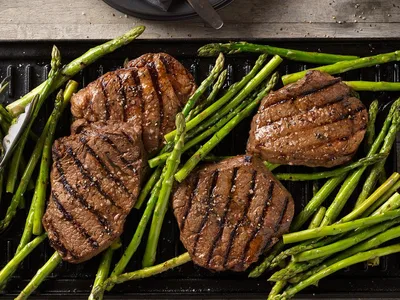
Balsamic Grilled Sirloin Steak with Asparagus
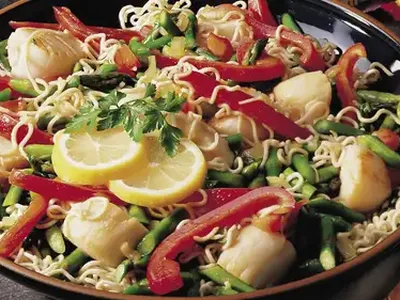
Oriental Scallop Stir-Fry with Ramen Noodles
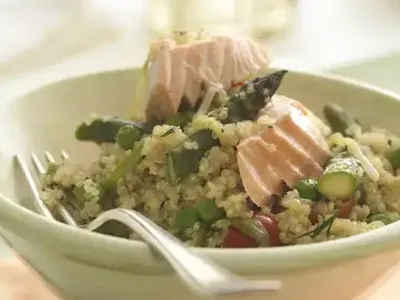
Quinoa Pilaf with Poached Salmon and Fresh Asparagus
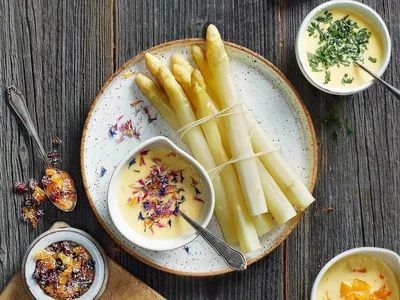
White Asparagus with Hollandaise Sauce
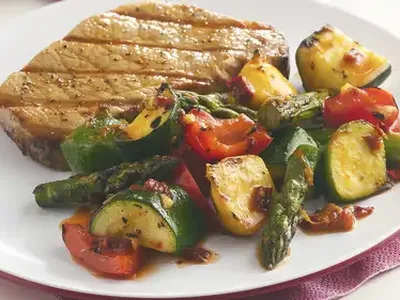
Spicy Chipotle Grilled Vegetables with Orange