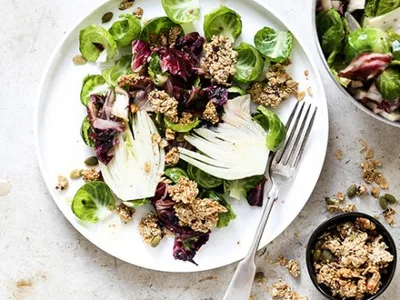
How to Cook Brussels Sprouts
Brussels sprouts cooking turns dense mini-cabbages into tender vegetables with crispy edges. The technique uses high heat to caramelize outer leaves while keeping centers soft.
Why it matters
Proper cooking turns bitter sprouts sweet. High heat creates crispy bits that taste like vegetable chips. The 425F sweet spot gives you both textures in 20-25 minutes. Other vegetables need different temperatures or they burn before cooking through.
What you need
Steps
Heat oven to 425F. Trim 1/4 inch off each stem end. Cut sprouts in half through the stem. Small ones under 1 inch stay whole. Yellow or brown outer leaves peel off naturally.
Toss sprouts with 3 tablespoons olive oil per pound in your mixing bowl. Each piece needs coating. Add 1 teaspoon kosher salt and 1/2 teaspoon black pepper. Mix until oil glistens on every surface.
Arrange cut-side down on the baking sheet. Leave 1/2 inch between pieces. Crowding creates steam. Steam prevents browning. You want sizzling sounds after 5 minutes in the oven.
Roast 20-25 minutes without stirring. Check at 20 minutes. Bottoms turn deep golden brown, almost charred at edges. Loose leaves look like brown paper. A knife slides through the thickest sprout with slight resistance.
Remove when edges smell nutty, not sulfurous. Internal temperature hits 195-205F if you check. Let rest 3 minutes. The sizzling stops. Add finishing touches now: 2 tablespoons balsamic vinegar, 1 tablespoon honey, or 2 minced garlic cloves work well.
Common Mistakes
cutting sprouts too small
What happens: pieces under 3/4 inch burn before centers cook
Fix: keep halves at least 1 inch at widest point
using too low heat
What happens: sprouts steam and turn gray-green with mushy texture
Fix: maintain 425F minimum, up to 450F for extra crispy
flipping halfway through
What happens: lose the caramelized crust on cut side
Fix: leave undisturbed for full cooking time
overcrowding the pan
What happens: trapped moisture causes steaming instead of roasting
Fix: use two sheets if cooking over 2 pounds
Troubleshooting
if outer leaves burn but centers stay raw
Then: lower heat to 400F and extend cooking time to 30-35 minutes
if sprouts taste bitter after cooking
Then: add 1 tablespoon maple syrup or honey mixed with 1 tablespoon dijon mustard in final 5 minutes
Related Techniques
FAQ
How much do brussels sprouts shrink when roasted?
Brussels sprouts lose 25-30% of their volume during roasting. One pound raw yields about 2.5 cups cooked. The water evaporates at 212F, then sugars caramelize at 320F. Plan 6-8 ounces raw per person for a side dish. The shrinkage concentrates flavors, which explains why roasted sprouts taste sweeter than boiled ones.
Can I prep brussels sprouts ahead?
Cut sprouts hold 24 hours refrigerated in an airtight container. Pat completely dry before oiling. Moisture on the surface drops oven temperature by 50-75 degrees until it evaporates. Pre-oiled sprouts last 4 hours maximum. Oil penetrates cut surfaces and turns rancid. For parties, cut morning-of and oil just before roasting.
Why do my sprouts smell like sulfur?
Sulfur compounds release when sprouts cook over 25 minutes or under 400F. The smell peaks at 30-35 minutes. High heat breaks down these compounds faster. Fresh sprouts contain less sulfur than week-old ones. Choose firm, bright green sprouts under 1.5 inches diameter. Larger, older sprouts develop more sulfur compounds during storage.
What's the best oil for roasting brussels sprouts?
Regular olive oil works best up to 425F. Its smoke point hits 465F, giving you a 40-degree buffer. Extra-virgin olive oil smokes at 375F and turns bitter. Avocado oil handles up to 520F if you want 450F roasting. Skip butter alone since milk solids burn at 350F. Mix 2 tablespoons melted butter with 2 tablespoons oil for butter flavor without burning.
Recipes Using This Technique
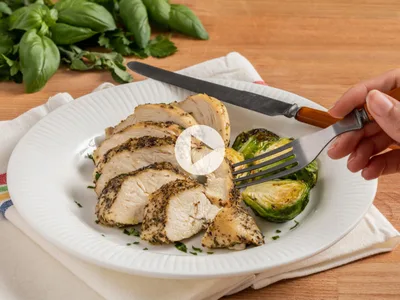
Air-Fried Herb-Crusted Chicken and Brussels Sprouts
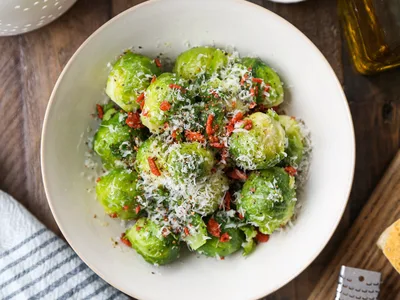
Bacon Cheese Rice Cooker Brussels Sprouts
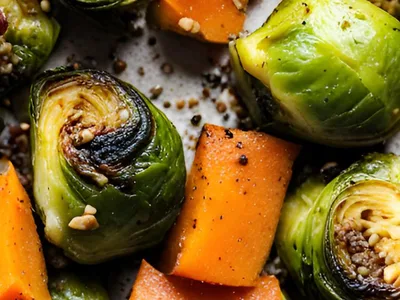
Roasted Crispy Sweet Potato and Brussels Sprouts
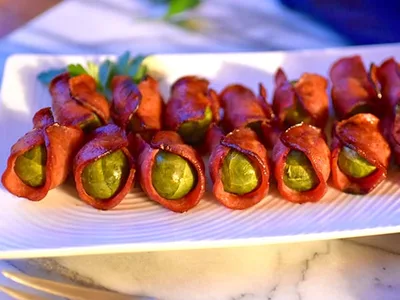
Maple Turkey Bacon-Wrapped Brussels Sprouts Recipe
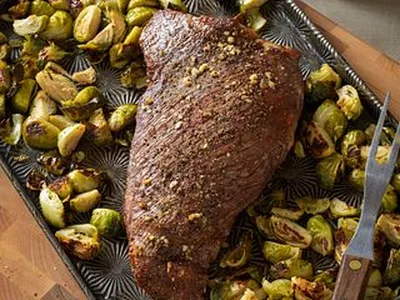
One Pan Roasted Beef Tri-Tip with Crispy Brussels Sprouts