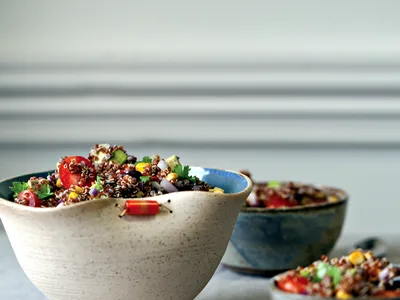
How to Cook Corn on the Cob
Cooking corn on the cob turns tough kernels into tender, sweet bites through heat and moisture. The process breaks down cell walls while preserving the corn's natural sugars and creating that signature pop when you bite into each kernel.
Why it matters
Fresh corn loses half its sugar within 24 hours of picking. Proper cooking locks in sweetness. The right technique gives you kernels that burst with juice instead of turning mushy or staying tough. You get corn that tastes like summer, not starch.
What you need
Steps
Fill your 8-quart stockpot with 6 quarts of water. Set heat to high. Add 1 tablespoon of salt per 4 ears of corn. The water should taste like mild seawater. Cover the pot.
Strip husks and silk from each ear while water heats. Pull downward in long strokes. Rub with a damp paper towel to remove stubborn silk strands. Snap ears in half if they won't fit your pot.
Watch for rolling bubbles that break the surface rapidly. Not gentle simmering. Full rolling boil. Drop corn into water using tongs. The boiling will stop temporarily.
Cover pot immediately. Wait for water to return to a full boil, about 2-3 minutes. You'll hear the lid rattle slightly when boiling resumes.
Cook for exactly 4 minutes for crisp kernels, 6 minutes for tender. Start timing when water returns to boiling. The kernels should look bright yellow and plump, not translucent.
Remove corn with tongs. Let excess water drip back into pot for 5 seconds per ear. Place on serving platter. The kernels should release a small puff of steam when pierced with a fork.
Serve within 5 minutes. Butter melts best at 140F, which corn reaches after 1 minute of cooling. Season with salt, pepper, lime juice, or chili powder while corn steams on the plate.
Common Mistakes
Adding corn to cold water
What happens: Kernels turn mushy and lose sweetness as they slowly heat up
Fix: Always wait for a full rolling boil before adding corn
Cooking longer than 8 minutes
What happens: Kernels shrivel and develop a gummy texture
Fix: Set a timer for 4-6 minutes maximum after water returns to boiling
Using unsalted water
What happens: Corn tastes flat and requires more salt at the table
Fix: Add 1 tablespoon salt per 4 ears to your boiling water
Leaving corn in water after cooking
What happens: Residual heat continues cooking, creating mushy kernels
Fix: Remove immediately when timer sounds and drain well
Troubleshooting
Kernels stay tough after 6 minutes
Then: Your corn is old. Add 1 tablespoon sugar to boiling water and cook 2 minutes longer
Some kernels are tender, others tough on same ear
Then: Water wasn't at full boil when you added corn. Next time wait for violent bubbling
Corn tastes starchy, not sweet
Then: Buy corn the day you cook it. Look for sticky brown silk and bright green husks
Related Techniques
FAQ
Can I reuse the corn cooking water?
Yes. The starchy water makes excellent soup base. It contains about 2 grams of dissolved corn starch per cup. Cool it completely and refrigerate up to 3 days. Use it to replace plain water in corn chowder or vegetable soup. The subtle corn flavor adds depth without extra ingredients.
How do I know if corn is fresh at the store?
Check three things. First, squeeze the ear through the husk. You should feel firm, plump kernels all the way to the tip. Gaps mean old corn. Second, look at the silk. Brown, sticky silk means the corn is 2-3 days old. Pale, dry silk means it's older. Third, peel back 1 inch of husk at the store. Fresh kernels look shiny and tight. Old ones appear dull with spaces between rows.
What's the white stuff that appears when I cut corn?
That's corn milk, a mix of sugars and starch. Fresh corn releases about 1 teaspoon of milk per ear when cut. It contains 14% sugar when fresh. This milk turns starchy and thick as corn ages. If no milk appears when you pierce a kernel, the corn is at least 5 days old. Use older corn for soups where texture matters less.
Should I add sugar to the boiling water?
Only for corn older than 3 days. Fresh corn contains 6-8% sugar by weight. Adding 1 tablespoon sugar per quart of water helps older corn taste sweeter. But sugar makes fresh corn taste artificial. Salt is essential though. Use 1 tablespoon per 4 ears. Salt raises the boiling point by 2 degrees and helps kernels stay firm.
Recipes Using This Technique
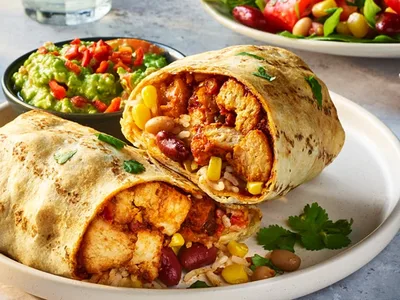
Air Fryer Vegetarian Burrito with Quorn and Pea Guacamole

Roasted Corn and Poblano Soup with Cotija
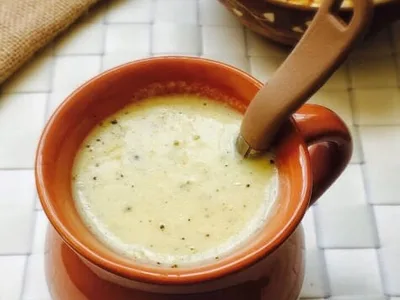
Creamy Sweet Corn Soup for Babies and Toddlers
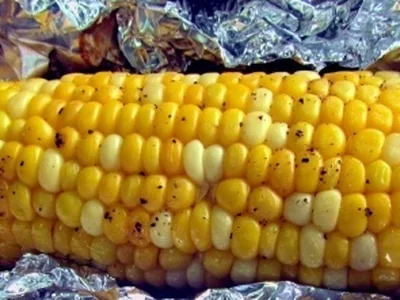
Foil-Wrapped Oven Corn with Butter and Cheddar

Grilled Chicken Tacos with Corn Poblano Salsa