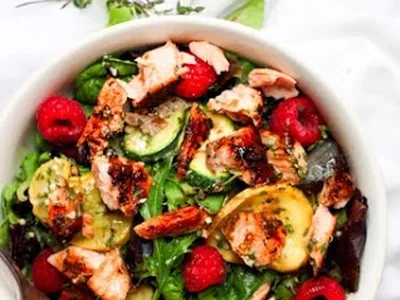
How to Cook Salmon
Cooking salmon means applying heat to turn raw fish into flaky, moist protein. You can pan-sear, bake, grill, or poach it.
Why it matters
Salmon cooks fast. 10 minutes max for most methods. The fish stays tender when you nail the timing. Overcook by 2 minutes and you get dry cardboard. Master this and you have dinner in 15 minutes flat.
What you need
Steps
Pat salmon dry with paper towels. Season both sides with 1/2 teaspoon salt per 6-ounce fillet. Let sit at room temperature for 15 minutes. The fish should feel tacky, not wet.
Heat 2 tablespoons oil in your skillet over medium-high heat for 2 minutes. The oil shimmers and a drop of water sizzles immediately on contact. Too hot if the oil smokes.
Place salmon skin-side up. Press gently for 10 seconds to ensure contact. Cook 4 minutes without moving. You hear steady sizzling, not violent popping.
Check the side of the fillet. When opacity climbs halfway up (about 1/2 inch on a 1-inch thick piece), flip with your fish spatula. The cooked side shows deep golden brown color.
Cook skin-side down for 3 minutes. The skin crackles and crisps. Internal temp hits 125F for medium-rare, 135F for medium. The center stays slightly translucent pink.
Remove from heat. Let rest on the plate for 2 minutes. The temperature climbs 5 degrees during rest. The fish flakes easily when pressed with a fork.
Common Mistakes
Starting with cold, wet fish
What happens: The salmon steams instead of sears, giving you gray fish with no crust
Fix: Dry thoroughly and bring to room temp for 15 minutes before cooking
Moving the fish too early
What happens: The proteins stick and tear, leaving half your salmon on the pan
Fix: Wait for natural release at 4 minutes when proteins denature
Cooking at 145F internal temp
What happens: Dry, chalky texture that flakes into sawdust
Fix: Pull at 125F for medium-rare or 135F max for medium
Using a thin nonstick pan
What happens: Uneven heating creates hot spots that burn while other areas stay raw
Fix: Use thick-bottomed stainless or cast iron for even heat distribution
Troubleshooting
Salmon sticks to the pan despite oil
Then: Your pan wasn't hot enough. Next time heat for full 2 minutes until water droplet dances
White stuff oozes out during cooking
Then: That's albumin protein. Lower heat to medium and cook slower to minimize it
Skin won't crisp
Then: Scrape skin with knife edge to remove moisture, then press down with spatula while cooking
Related Techniques
FAQ
Should I cook salmon with skin on or off?
Keep skin on. It protects the flesh from direct heat and gets crispy like bacon. Score the skin every 2 inches with a sharp knife if it's thick. The skin also tells you when to flip. When it releases easily after 4 minutes, the proteins have set. Plus you can eat crispy salmon skin or peel it off after cooking.
What's the white stuff that comes out of salmon?
Albumin, a protein that coagulates at 140F. Every salmon has it. Minimize it by cooking at medium heat instead of high. Or brine your salmon in 1 tablespoon salt per cup of water for 10 minutes before cooking. The salt helps proteins retain moisture. A little albumin is normal. Tons of it means you overcooked.
How thick should salmon fillets be?
Aim for 1 to 1.5 inches thick. Thinner than 3/4 inch cooks too fast and dries out. Thicker than 2 inches needs lower heat or the outside burns before the center cooks. Most grocery stores cut fillets 1.25 inches thick. Ask the fish counter to cut fresh if the pre-cut pieces vary wildly in thickness.
Can I use frozen salmon?
Yes, but thaw it right. Put frozen fillets in the fridge for 24 hours. Or submerge sealed bags in cold water for 1 hour, changing water every 20 minutes. Never use hot water or microwave. Pat extra dry since frozen fish releases more water. Add 1-2 minutes cooking time because thawed frozen salmon stays colder than fresh.
Recipes Using This Technique
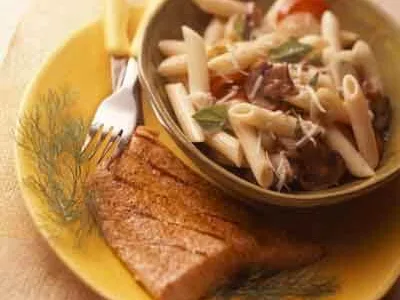
Grilled Cajun Salmon with Vegetable Mostaccioli
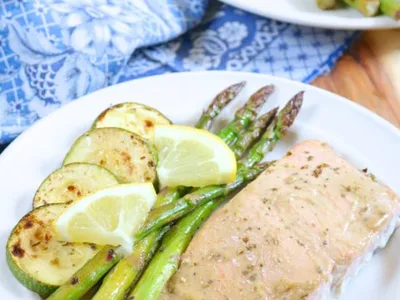
Honey Mustard Glazed Salmon with Charred Marinated Vegetables
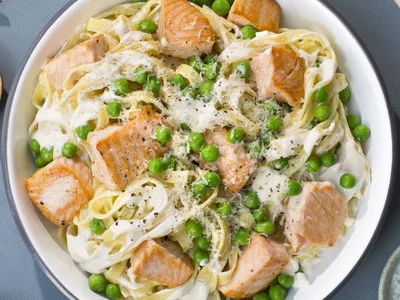
Creamy Pasta with Salmon and Peas
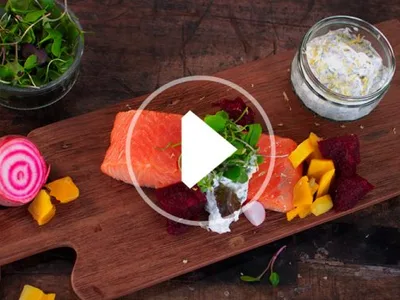
Salt and Sugar Cured Salmon Cold Smoked on Big Green Egg
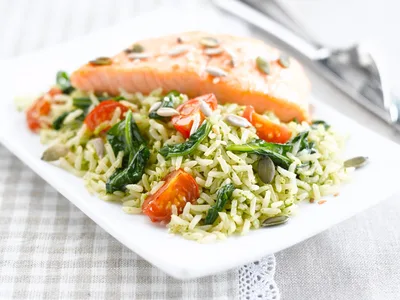
Brown Basmati Rice with Salmon and Spinach Pesto