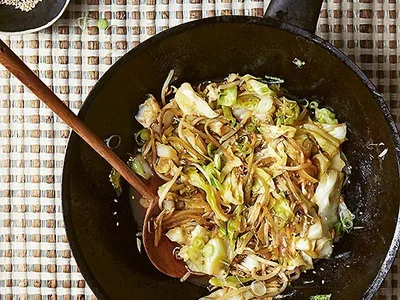
How to Deseed Peppers
Deseeding peppers means removing the white ribs and seeds from inside fresh peppers. The technique works for all pepper types, from bell peppers to jalapeños to habaneros.
Why it matters
Seeds and ribs contain 80% of a pepper's capsaicin, the compound that creates heat. Remove them to control spice levels precisely. Deseeded peppers cook more evenly because the hollow cavity allows heat to circulate. The clean pepper walls also hold stuffings better and slice into uniform strips.
What you need
Steps
Place the pepper stem-side up on your cutting board. Cut a circle around the stem with your paring knife, angling the blade 45 degrees toward the center. The stem should lift out like a lid, bringing some seeds with it.
Look inside the pepper. You'll see white or pale yellow ribs running from top to bottom. These taste bitter. Seeds cluster along these ribs in loose bunches.
Hold the pepper over your bowl. Tap it firmly against your palm 5-6 times. Most loose seeds will fall out. Listen for the rattling sound to stop.
Slice the pepper in half lengthwise from top to bottom. Each half should lie flat on the board, cavity facing up. You now have full access to the interior.
Run your knife blade under each white rib at a 15-degree angle. Start at the top and pull down in one smooth motion. The rib should peel away in a single strip. Repeat for all ribs.
Check for stubborn seeds stuck in crevices. Scrape them out with the knife tip or rinse under cold water for 3 seconds. Pat dry with paper towels until no moisture remains.
Common Mistakes
Touching your face after handling hot peppers
What happens: Capsaicin burns your eyes, nose, and mouth for 30-45 minutes
Fix: Wear gloves always, or coat hands with vegetable oil before starting
Using a dull knife
What happens: You'll crush the pepper walls, releasing juices and making a mess
Fix: Sharpen your paring knife until it slices paper cleanly
Removing too much pepper flesh with the ribs
What happens: You lose 40% of usable pepper and create thin spots that burn during cooking
Fix: Keep knife angle shallow at 15 degrees and use gentle pressure
Deseeding peppers hours before cooking
What happens: Cut surfaces oxidize and turn brown within 2 hours
Fix: Deseed peppers no more than 30 minutes before use
Troubleshooting
Seeds won't come out by tapping
Then: Cut pepper into quarters instead of halves for better access, then scrape with a teaspoon
Pepper walls tear when removing ribs
Then: Your pepper is overripe. Switch to crosswise cuts and remove ribs in smaller sections
Hands burn after deseeding
Then: Soak hands in whole milk for 5 minutes, then wash with dish soap and cold water
Related Techniques
FAQ
Do I need to remove seeds from mild bell peppers?
Bell pepper seeds taste slightly bitter but contain zero heat. Remove them for stuffed peppers or fine dice where texture matters. Leave them for rustic soups or stews. The white ribs add unwanted crunch to any dish. A single bell pepper contains 150-200 seeds that add no flavor value.
What's the fastest way to deseed multiple peppers?
Set up an assembly line. Cut all stems first, then halve all peppers, then remove all ribs. This batch method takes 40% less time than completing each pepper individually. A practiced cook can deseed 12 bell peppers in under 8 minutes this way. Keep a damp towel nearby to wipe your knife blade every 3-4 peppers.
Can I save and plant the pepper seeds?
Fresh pepper seeds need proper drying before planting. Spread seeds on a paper plate for 7-10 days at room temperature. Store in paper envelopes, not plastic. Germination rates drop 50% after one year. Only seeds from ripe peppers will sprout. Green bell peppers are unripe and their seeds won't grow.
Which peppers are hardest to deseed?
Small hot peppers like Thai chilies and habaneros challenge even experienced cooks. Their 1-inch size makes knife work difficult. Use kitchen scissors to cut them lengthwise, then scrape with a small spoon. Work under running water if the heat overwhelms you. One habanero contains 200,000-350,000 Scoville units, mostly in those tiny seeds.
Recipes Using This Technique
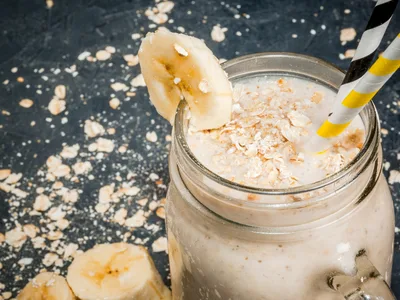
Cinnamon Roll Protein Smoothie Recipe
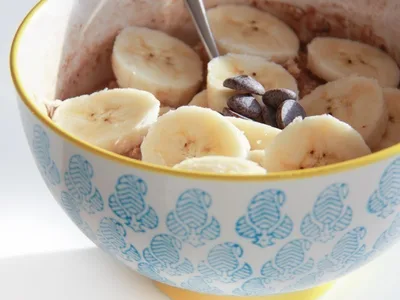
Overnight Oats with Raw Cacao and Dark Chocolate
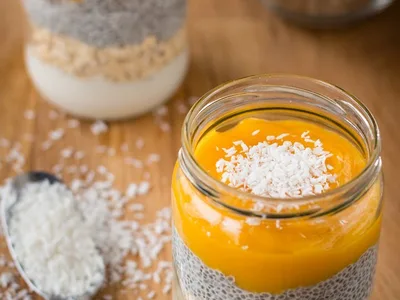
Overnight Oats with Chia Pudding and Fruit Puree
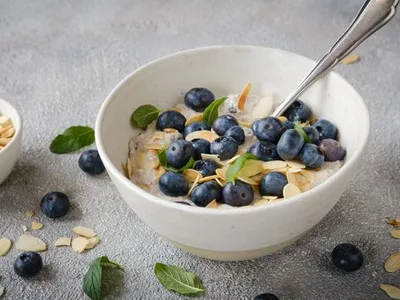
Quick Vegan Overnight Oats with Cherries
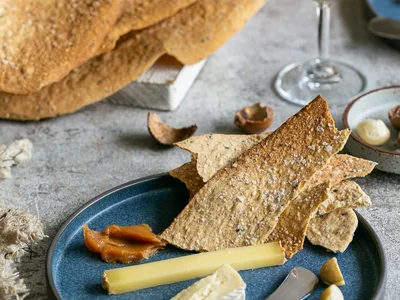
Spiced Lavosh Crackers with Toasted Seeds