How to Make Fried Rice
Fried rice turns cold, day-old cooked rice into a hot dish by stir-frying it with oil, aromatics, and seasonings at high heat. The technique breaks up rice clumps and coats each grain with flavor while creating slightly crispy edges.
Why it matters
This method rescues leftover rice from the trash. Cold rice fries better than fresh because the grains stay separate instead of mushing together. You get restaurant-style results in under 10 minutes. The technique works with any protein or vegetable you have on hand.
What you need
Steps
Break up cold rice with your hands into individual grains. Rice should feel firm and dry, not sticky. Remove any hard clumps. This takes 2-3 minutes but prevents mushy fried rice later.
Heat your wok over highest heat until a drop of water evaporates in 1-2 seconds. Add 2 tablespoons oil and swirl to coat. The oil should shimmer and move like water, not smoke. This takes 45-60 seconds on most stoves.
Push aromatics (garlic, ginger, white parts of green onions) to the oil. Stir for 20-30 seconds until fragrant but not brown. Add proteins now if using raw ones. Cook until no pink remains, about 2-3 minutes for shrimp or diced chicken.
Add rice in one layer. Let it sit untouched for 30 seconds. You should hear aggressive sizzling. Stir and toss every 30 seconds, scraping the bottom. Rice grains should separate and some edges turn golden after 3-4 minutes total.
Create a well in the center. Add beaten eggs if using. Let set for 15 seconds, then scramble into rice. The eggs should look like small yellow ribbons throughout, not big chunks.
Add soy sauce (1-2 tablespoons) around the edges of the wok, not directly on rice. The sauce should sizzle and smell toasted. Toss for 30 seconds. Add vegetables that need minimal cooking like peas or corn now.
Remove from heat. Stir in sesame oil (1 teaspoon) and green onion tops. Taste and adjust with more soy sauce if needed. Rice should look dry with distinct grains, not wet or clumped.
Common Mistakes
Using fresh, warm rice
What happens: Rice turns into mush and clumps together
Fix: Always use rice refrigerated for at least 4 hours, ideally overnight
Overcrowding the pan
What happens: Rice steams instead of fries, stays pale and soft
Fix: Fry maximum 4 cups rice in a 14-inch wok or work in batches
Moving rice constantly
What happens: Rice never develops crispy edges or smoky flavor
Fix: Let rice sit untouched for 30-second intervals between stirring
Adding soy sauce too early
What happens: Rice absorbs liquid and becomes soggy
Fix: Add soy sauce in final 1-2 minutes of cooking
Troubleshooting
Rice sticks to the pan
Then: Increase heat and add 1 more tablespoon oil around edges. Scrape with metal spatula if using cast iron.
Rice tastes bland after adding soy sauce
Then: Add 1/2 teaspoon salt and 1/2 teaspoon sugar. The sugar balances the salt and enhances browning.
Vegetables turn mushy
Then: Add hardy vegetables like carrots first with aromatics. Save delicate ones like spinach for the final 30 seconds.
Related Techniques
FAQ
Can I use brown rice or other grains?
Yes, but adjust technique slightly. Brown rice needs 1 extra tablespoon oil because it is drier. Quinoa works but use 25% less since the grains are smaller. Wild rice is too chewy and does not work well. Cauliflower rice needs only 2-3 minutes total cooking time and half the oil since it releases water. Any grain must be cold and day-old for best results.
What is the best oil to use?
Use oils with smoke points above 400F. Peanut oil (450F) gives the most authentic flavor. Avocado oil (520F) works great but costs more. Regular vegetable oil (400-450F) does the job fine. Never use olive oil, which smokes at 325F and turns bitter. Add 1 teaspoon sesame oil at the very end for flavor, but never cook with it since it burns at 350F. You need 2-3 tablespoons total for 4 cups of rice.
How do I know when the wok is hot enough?
Three reliable tests work. First, hover your hand 6 inches above the surface. You should feel intense heat within 2 seconds. Second, flick a drop of water into the wok. It should evaporate in 1-2 seconds with a quick sizzle. Third, add a grain of rice. It should immediately sizzle and jump. Most home stoves need 2-3 minutes on high to reach 450F+ in the wok. Electric stoves may need 4-5 minutes.
Why does restaurant fried rice taste different from mine?
Commercial wok burners reach 150,000 BTUs while home stoves max out at 15,000 BTUs. This 10x difference creates the smoky wok hei flavor. Restaurants also use day-old rice dried in front of fans for 2-3 hours. They add MSG (1/4 teaspoon per serving) and sometimes dark soy sauce for color. Their woks are seasoned from thousands of uses. You can fake some of this by letting your wok smoke for 10 seconds before adding oil.
Recipes Using This Technique
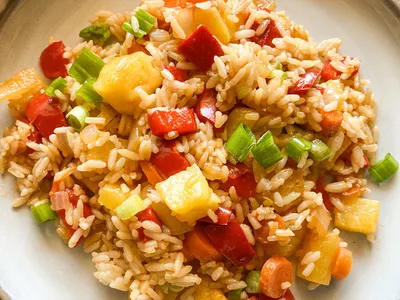
20-Minute Pineapple Fried Rice with Sweet and Savory Sauce
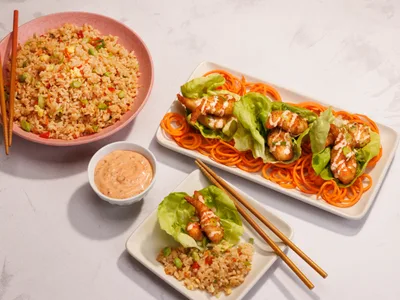
Bang Bang Shrimp Lettuce Cups with Fried Rice
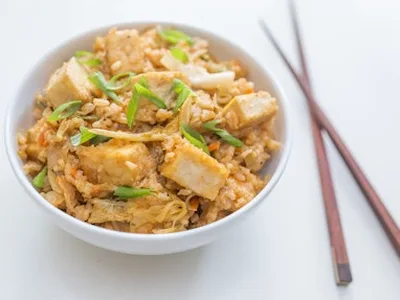
Crispy Tofu Kimchi Fried Rice with Quick Pickled Cucumbers
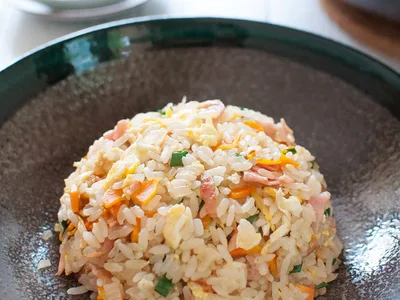
Japanese Fried Rice with Instant Seasoning
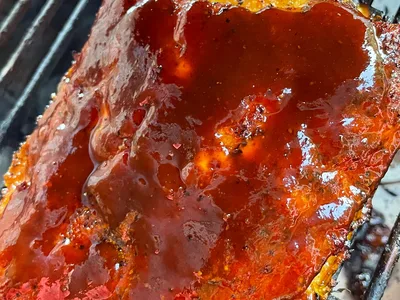
Grilled Pineapple Plank Salmon with Sriracha Rub